


Harnessing the power of the oceans to remove excess CO₂ from the atmosphere.
The story of CO2 is the story of everything: how carbon dioxide made our world
"How carbon dioxide, the world's most important substance, shaped the planet's past and present-and holds the key to our future Carbon dioxide: this seemingly simple and ubiquitous substance is fundamental to how our planet works. All life is made from CO2, and its behavior on this planet has kept Earth bizarrely habitable for hundreds of millions of years. In its workings lie both the splendor of our world and the potential for life's destruction. In short, it is the most important substance in history. But why is CO2 as essential to life on Earth as it is capable of destroying it? In The Story of CO2 Is the Story of Everything, award-winning science journalist Peter Brannen reveals carbon dioxide's fundamental role in the operation and maintenance of our planet. Starting at the beginning of time and working all the way up to our present reality, he illuminates how CO2 has been responsible for the planet's many deaths and rebirths, the evolution of life, and the development of modern human society. Carbon dioxide's movement through rocks, air, oceans, and life has kept our planet's climate livable, its air breathable, and its oceans hospitable to complex life for more than five hundred million years. And only by understanding CO2 in the context of deep Earth history can we see how it gave rise to today's industrial economy-and more clearly recognize what it means to be churning through hundreds of millions of years of old life in the form of fossil fuels and converting it all to carbon dioxide. With groundbreaking research and a clear-eyed perspective, Brannen shows how a deep exploration into the mechanics of the carbon cycle and the history of our planet can provide hope for averting environmental catastrophe in the future. It all starts with a richer understanding of the essential role of one substance"--

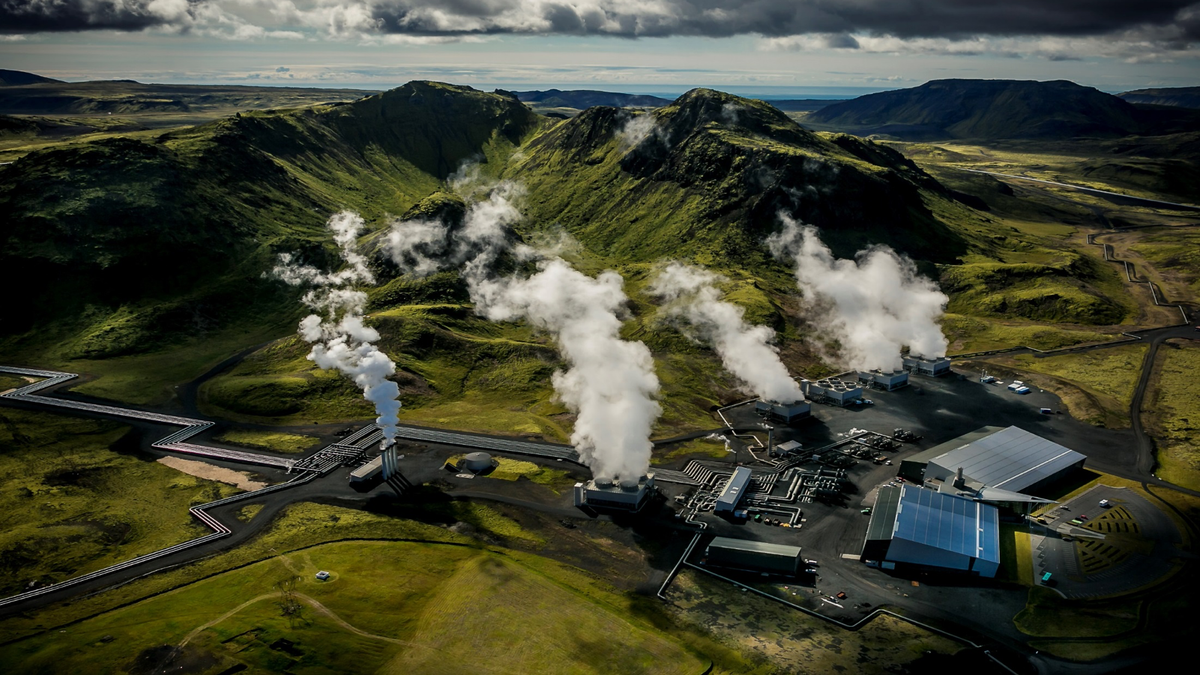
Carbon Removal Technologies | YC Request for Startups
Climate change presents an existential threat to humanity. We are already seeing the effects and they are showing up faster and stronger than anticipated. A report by United Nations' scientific panel on climate change released this month expects the atmosphere-on our current trajectory-to warm up by 1.5 degrees Celsius by 2040. Even the effects of a 0.5 degrees increase will have far-reaching consequences. This research indicates that we are already past the tipping point; even if we significantly reduced emissions, climate change would continue (Source IPCC summary C3 section). We believe there's still time to make a change if we look both to renewal energy and CO2 removal.

Sans eau, les forêts arrêtent de capter du CO₂
Pour survivre en période de sécheresse, les arbres stoppent la photosynthèse, une activité très gourmande en eau. Des forêts entières se retrouvent ainsi à émettre plus de CO₂ qu’elles n’en capturent.

Climate solutions most likely to reach ‘positive tipping points’ revealed by scientists
Global shift towards clean electricity could trigger ‘cascade’ of progress, helping reduce air pollution, cut waste and revive oceans
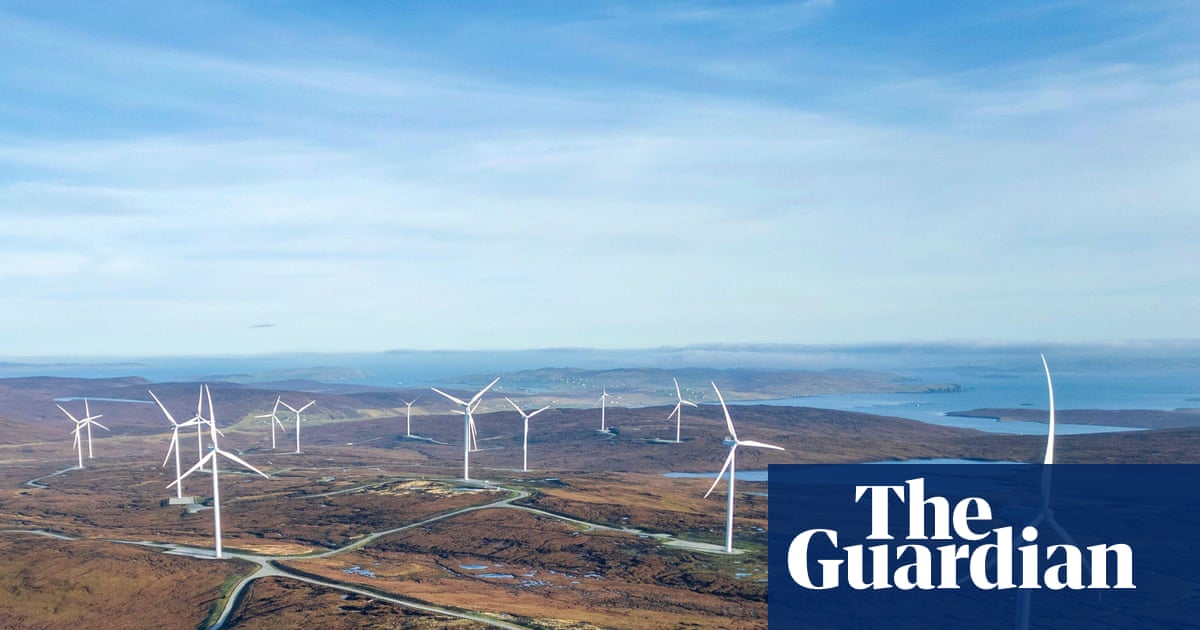
Carbon Captured
How the fossil fuel industry turned the plan to solve climate change into a plan to save itself

We Need More Research on how CO2 Affects Cognition
A growing body of research indicates there are potentially large health benefits to improving indoor air quality.
Human Health and Ocean Pollution
Background: Pollution – unwanted waste released to air, water, and land by human activity – is the largest environmental cause of disease in the world today. It is responsible for an estimated nine million premature deaths per year, enormous economic losses, erosion of human capital, and degradation of ecosystems. Ocean pollution is an important, but insufficiently recognized and inadequately controlled component of global pollution. It poses serious threats to human health and well-being. The nature and magnitude of these impacts are only beginning to be understood.Goals: (1) Broadly examine the known and potential impacts of ocean pollution on human health. (2) Inform policy makers, government leaders, international organizations, civil society, and the global public of these threats. (3) Propose priorities for interventions to control and prevent pollution of the seas and safeguard human health.Methods: Topic-focused reviews that examine the effects of ocean pollution on human health, identify gaps in knowledge, project future trends, and offer evidence-based guidance for effective intervention.Environmental Findings: Pollution of the oceans is widespread, worsening, and in most countries poorly controlled. It is a complex mixture of toxic metals, plastics, manufactured chemicals, petroleum, urban and industrial wastes, pesticides, fertilizers, pharmaceutical chemicals, agricultural runoff, and sewage. More than 80% arises from land-based sources. It reaches the oceans through rivers, runoff, atmospheric deposition and direct discharges. It is often heaviest near the coasts and most highly concentrated along the coasts of low- and middle-income countries. Plastic is a rapidly increasing and highly visible component of ocean pollution, and an estimated 10 million metric tons of plastic waste enter the seas each year. Mercury is the metal pollutant of greatest concern in the oceans; it is released from two main sources – coal combustion and small-scale gold mining. Global spread of industrialized agriculture with increasing use of chemical fertilizer leads to extension of Harmful Algal Blooms (HABs) to previously unaffected regions. Chemical pollutants are ubiquitous and contaminate seas and marine organisms from the high Arctic to the abyssal depths.Ecosystem Findings: Ocean pollution has multiple negative impacts on marine ecosystems, and these impacts are exacerbated by global climate change. Petroleum-based pollutants reduce photosynthesis in marine microorganisms that generate oxygen. Increasing absorption of carbon dioxide into the seas causes ocean acidification, which destroys coral reefs, impairs shellfish development, dissolves calcium-containing microorganisms at the base of the marine food web, and increases the toxicity of some pollutants. Plastic pollution threatens marine mammals, fish, and seabirds and accumulates in large mid-ocean gyres. It breaks down into microplastic and nanoplastic particles containing multiple manufactured chemicals that can enter the tissues of marine organisms, including species consumed by humans. Industrial releases, runoff, and sewage increase frequency and severity of HABs, bacterial pollution, and anti-microbial resistance. Pollution and sea surface warming are triggering poleward migration of dangerous pathogens such as the Vibrio species. Industrial discharges, pharmaceutical wastes, pesticides, and sewage contribute to global declines in fish stocks.Human Health Findings: Methylmercury and PCBs are the ocean pollutants whose human health effects are best understood. Exposures of infants in utero to these pollutants through maternal consumption of contaminated seafood can damage developing brains, reduce IQ and increase children’s risks for autism, ADHD and learning disorders. Adult exposures to methylmercury increase risks for cardiovascular disease and dementia. Manufactured chemicals – phthalates, bisphenol A, flame retardants, and perfluorinated chemicals, many of them released into the seas from plastic waste – can disrupt endocrine signaling, reduce male fertility, damage the nervous system, and increase risk of cancer. HABs produce potent toxins that accumulate in fish and shellfish. When ingested, these toxins can cause severe neurological impairment and rapid death. HAB toxins can also become airborne and cause respiratory disease. Pathogenic marine bacteria cause gastrointestinal diseases and deep wound infections. With climate change and increasing pollution, risk is high that Vibrio infections, including cholera, will increase in frequency and extend to new areas. All of the health impacts of ocean pollution fall disproportionately on vulnerable populations in the Global South – environmental injustice on a planetary scale.Conclusions: Ocean pollution is a global problem. It arises from multiple sources and crosses national boundaries. It is the consequence of reckless, shortsighted, and unsustainable exploitation of the earth’s resources. It endangers marine ecosystems. It impedes the production of atmospheric oxygen. Its threats to human health are great and growing, but still incompletely understood. Its economic costs are only beginning to be counted.Ocean pollution can be prevented. Like all forms of pollution, ocean pollution can be controlled by deploying data-driven strategies based on law, policy, technology, and enforcement that target priority pollution sources. Many countries have used these tools to control air and water pollution and are now applying them to ocean pollution. Successes achieved to date demonstrate that broader control is feasible. Heavily polluted harbors have been cleaned, estuaries rejuvenated, and coral reefs restored.Prevention of ocean pollution creates many benefits. It boosts economies, increases tourism, helps restore fisheries, and improves human health and well-being. It advances the Sustainable Development Goals (SDG). These benefits will last for centuries.Recommendations: World leaders who recognize the gravity of ocean pollution, acknowledge its growing dangers, engage civil society and the global public, and take bold, evidence-based action to stop pollution at source will be critical to preventing ocean pollution and safeguarding human health.Prevention of pollution from land-based sources is key. Eliminating coal combustion and banning all uses of mercury will reduce mercury pollution. Bans on single-use plastic and better management of plastic waste reduce plastic pollution. Bans on persistent organic pollutants (POPs) have reduced pollution by PCBs and DDT. Control of industrial discharges, treatment of sewage, and reduced applications of fertilizers have mitigated coastal pollution and are reducing frequency of HABs. National, regional and international marine pollution control programs that are adequately funded and backed by strong enforcement have been shown to be effective. Robust monitoring is essential to track progress.Further interventions that hold great promise include wide-scale transition to renewable fuels; transition to a circular economy that creates little waste and focuses on equity rather than on endless growth; embracing the principles of green chemistry; and building scientific capacity in all countries.Designation of Marine Protected Areas (MPAs) will safeguard critical ecosystems, protect vulnerable fish stocks, and enhance human health and well-being. Creation of MPAs is an important manifestation of national and international commitment to protecting the health of the seas.

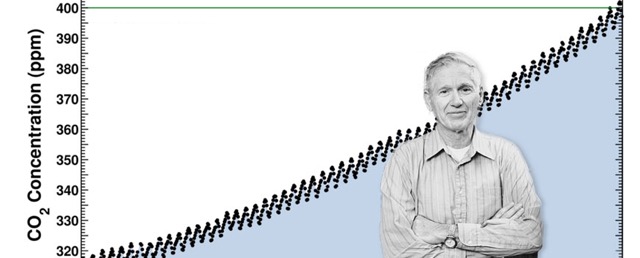
The Keeling Curve
The Keeling Curve is a daily record of global atmospheric carbon dioxide concentration maintained by Scripps Institution of Oceanography at UC San Diego.

The Sea Life Making a Home in Offshore Wind Farms | Atmos
Offshore wind farms can pose risks to birds and marine life. But their foundations also serve as artificial reefs, offering essential habit.

Introduction - troposphere
The AT Protocol side of Coop: ingest content, publish labels, take reports, and enforce takedowns. A self-hostable alternative to Ozone.
Thoughts on ATmosphereConf as an ATProto Newbie - excellent notes
We really can just build things
🌬️ ATmosphere projects

Apps, services, and tools built on ATproto. #ATmosphereConf

Cavu Reader
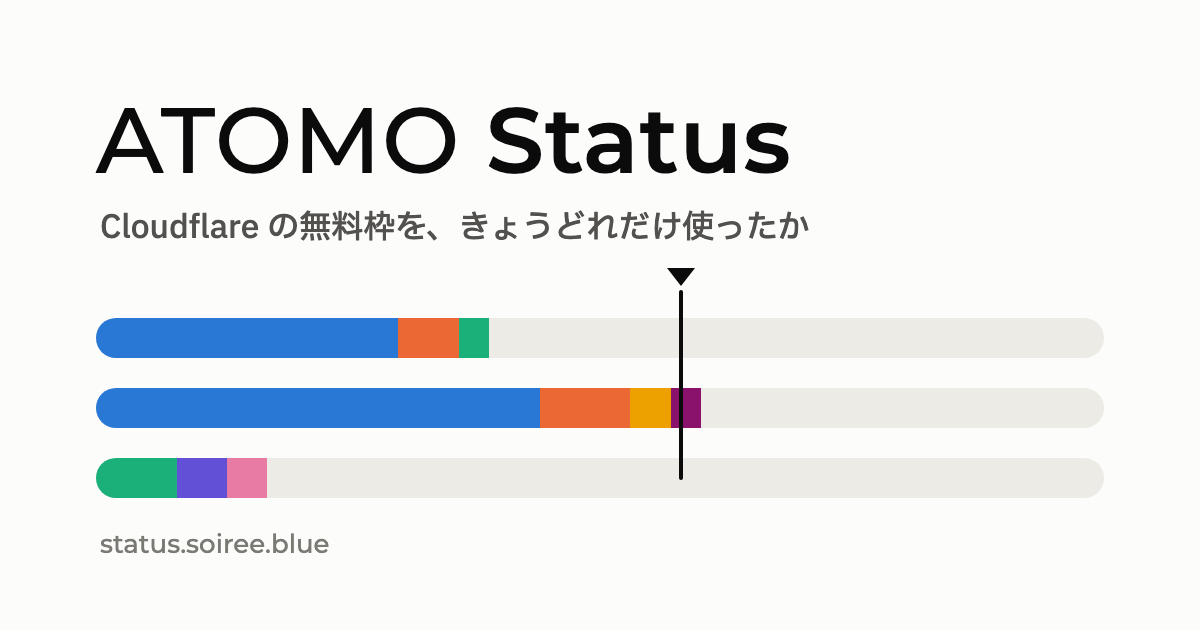
ATOMO Status
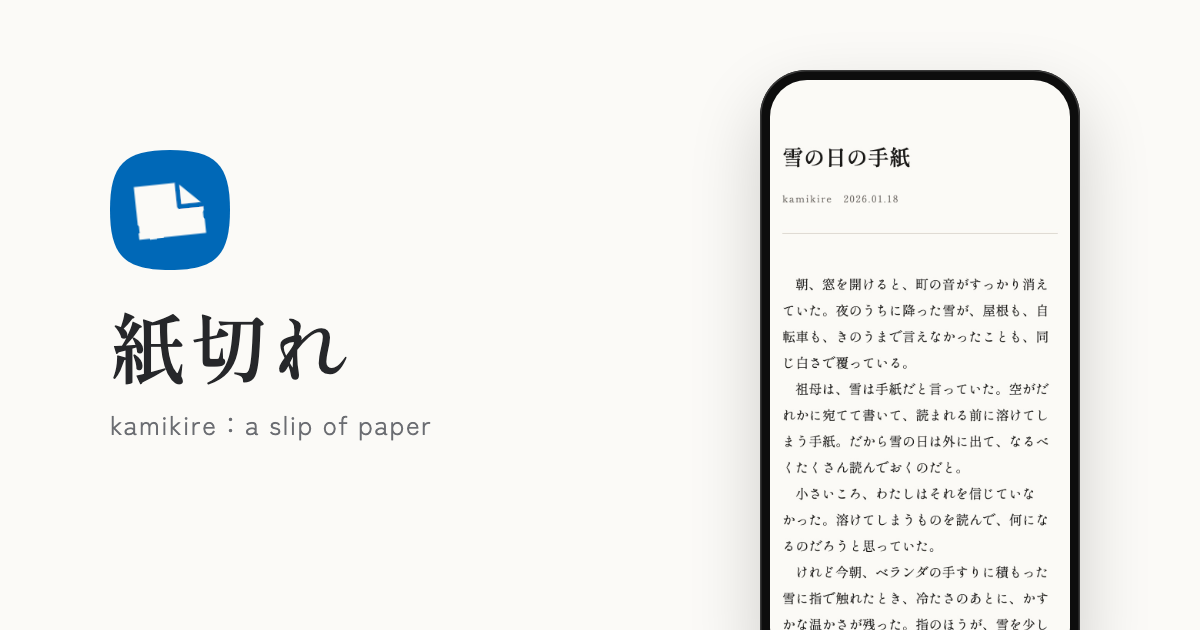
紙切れ(kamikire)

Tapes
ergo

ATOMO Station