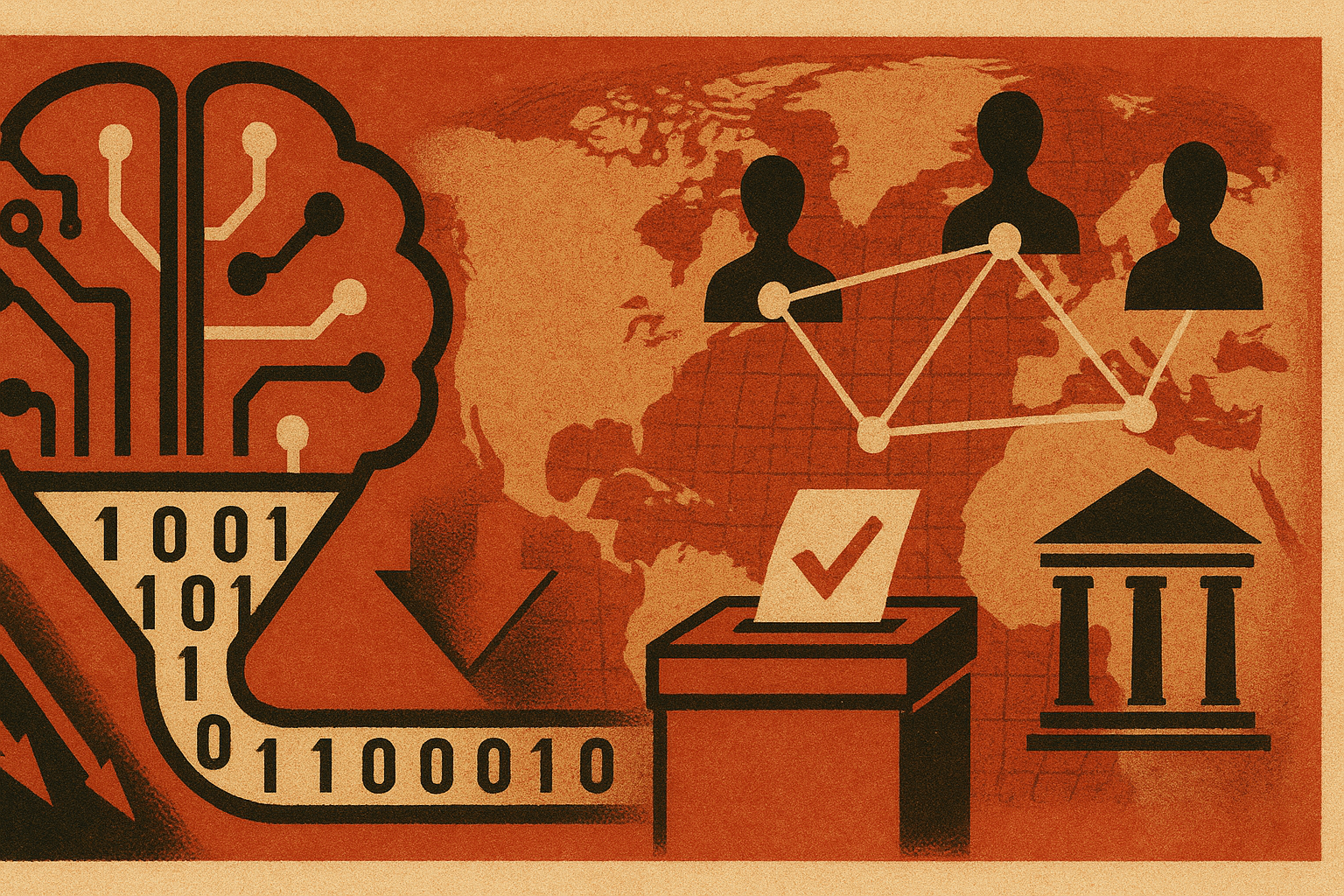
We need better economic models, but we also need Congress to free itself from the self-imposed constraints of modeling on the policymaking process.
Pacing the Frontier | Gillian K. Hadfield
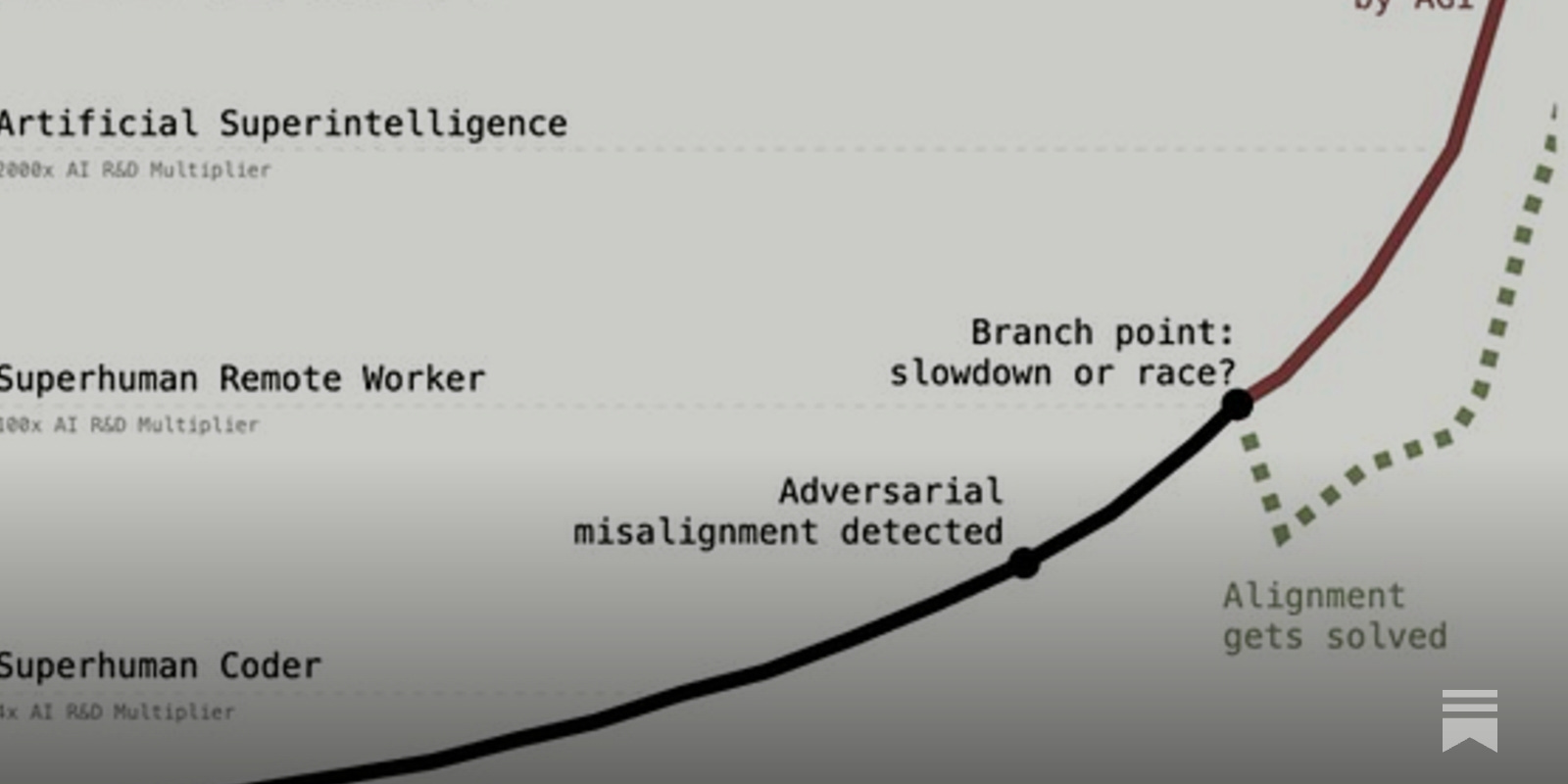
The Pacing the Frontier letter calls on the US government to support an international effort to build the technical and governance tools needed to protect our option to pace AI development. I and others have been working on the problem of how to build such infrastructure for ten years, including participating in dialogues on AI safety with Chinese academic colleagues during the past three. Here are my suggestions: 1. Don’t rely on off-the-shelf models like FINRA and the FDA which were built for 20th Century single-domain government expertise. They’re not fit for purpose. 2. Don’t act like no-one’s thought about the AI governance problem before. We’ve spent two years refining a regulatory markets design into working legislative language, for example, and it’s now in AI governance bills in five states and in Congress. 3. Don’t try to write an exhaustive set of rules for AGI first. 4. Pick a domain that can achieve widespread global consensus to start. Mine would be recursive self-improvement: models should not build models. Build the technology that verifies that. 5. Focus relentlessly on building flexible verification infrastructure that is able to enforce whatever rules we can ultimately agree on. 6. Don’t assume we already know how to do this and governments can just write tests into law. Technology needs to be built and by the private sector. 7. Don’t wait for the infrastructure to emerge first. The components and people are there and the ecosystem can scale fast with the right incentives. 8. Incentivize large-scale investment in verification technology by building a governance structure and industry funding that creates a market for private verification organizations. 9. Use licensing and public oversight to ensure verifiers are independent of the frontier labs. 10. Protect sovereignty by enabling each government to license its own verifiers from a global market of verifiers recognized by other countries. 11. Leverage the incentive of global trade for models and model services by requiring verification for market access. 12. Just start. Sources in comments.

Project 2025 Tracker
A comprehensive, community-driven initiative to track the implementation of Project 2025's policy proposals
It’s Back. Congress Gears Up for Year-End Fight Over Moratorium on AI Laws. | TechPolicy.Press
A proposed federal moratorium on enforcement of state AI laws failed last summer, but lawmakers have resurrected the idea, writes Cristiano Lima-Strong.
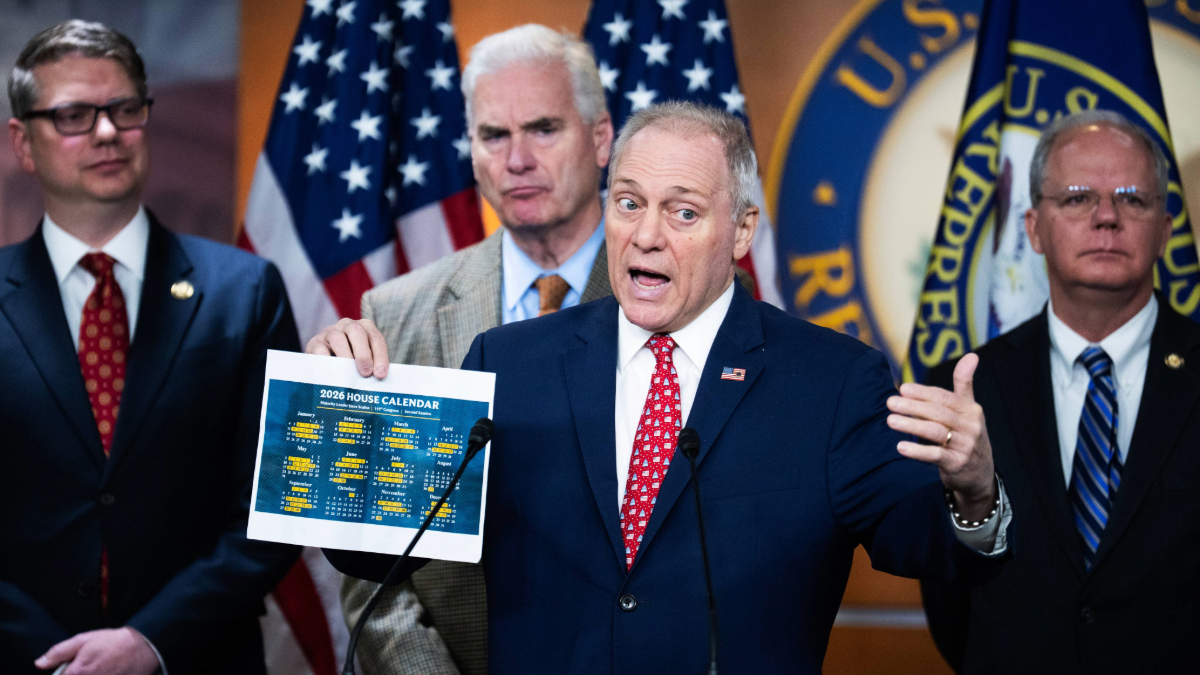
Trump drops restrictions on Anthropic's Mythos and Fable models | TechCrunch
The Trump administration's erratic approach to AI policymaking has left companies across the industry with little clarity about what will govern future model releases.

White House Considers Vetting A.I. Models Before They Are Released
The Trump administration, which took a noninterventionist approach to artificial intelligence, is now discussing imposing oversight on A.I. models before they are made publicly available.

State of AI 2026 | The Industry-Defining Report
Explore how AI is shaping the digital economy in 2026, with 80+ pages of data on ad spend, app downloads, web behavior, user demographics, and so much more.
France’s big climate problem: The budget crunch
Historic heat is forcing the French government to rethink its spending plans.

Summary of Key Changes in OMB’s Proposed Federal Financial Assistance Rule
Russell Vought is going destroy American Science

The Death of the Carbon Coalition
Existing models of U.S. politics are wrong. Here’s how the system really works.

Accountable Capitalism Act
Political commentator Matthew Yglesias wrote that "Warren's plan starts from the premise that corporations that claim the legal rights of personhood should be legally required to accept the moral obligations of personhood."[2] The New York Times columnist David Leonhardt called the proposal "the most intriguing policy idea to come out of the early 2020 campaign".[3]
Dean Ball on open models and government control
Subtle precedents on the future of open models set by the unfolding Anthropic v. Department of War case.
Europe 2031 — What getting AI wrong means for us
A five-year scenario about AI and Europe's impending slide into irrelevance, with a 2034 epilogue that describes how the collapse of the European model could have been prevented.
HF 1606 2nd Engrossment - 94th Legislature (2025 - 2026)
Sharing the Algorithm: The Tax Solution to Generative AI
This article argues that tax policy offers a core tool for mitigating the sweeping public policy challenges of generative Artificial Intelligence ("AI"