


Multiple buyouts and bankruptcies have ruined iconic brands and hollowed out skateboarding culture. It’s our financialized economy in miniature.
The Real Retail Killer
How private equity is gouging some of the country’s best-known corporate brands

This skateboarding economist suggests we need more skateparks and less capitalism
A skateboarder presented an unusual paper at this year's big meeting of American economists.

The Rot Economy
At the center of everything I’ve written for the last few months (if not the last few years), sits a cancerous problem with the fabric of how capital is deployed in modern business. Public and private investors, along with the markets themselves, have become entirely decoupled from the concept of what “good” business truly is, focusing on one metric — one
Exclusive | Blackstone to Grant Equity to Most Employees in Future U.S. Buyouts
The private-equity firm’s plan is part of a broader movement in the buyout industry to expand ownership beyond management ranks.
Private Equity Is Starting to Share With Workers, Without Taking a Financial Hit (Published 2024)
The buyout giant KKR pioneered a model of granting ownership stakes to employees at portfolio companies. Now it wants the approach to spread.

Your roadmap was perfect. | Marc Baselga
Your roadmap was perfect. The strategy was aligned. Everyone was excited. Then the board meeting happened. Now you're starting from scratch. Again. Giff Constable (former CPO at Meetup) recently shared something at Supra that made this chaos finally make sense. "Most boards don't share their real financial goals with product leaders. They think it's too dangerous." Think about that for a second. You're trying to set strategy without knowing what game you're playing. No wonder your roadmap keeps getting blown up. Giff shared a wild example from Meetup that shows how this plays out: Meetup had this new high-ticket events product. Growing like crazy. Customers loved it. The team was thrilled. It was generating serious revenue. Then WeWork's IPO imploded and Meetup got sold to private equity. Overnight, this golden child product became poison. Why? Under WeWork (going for an $80B IPO), growth was everything. Who cares about margins when you're chasing that valuation? But private equity saw this 45% margin product contaminating their 80% margin marketplace business. It would make Meetup harder to flip in 2-3 years. Same product. Same metrics. Completely different verdict. The product got killed. The team was shocked. But once you understand the ownership game, it makes perfect sense. Here's what different owners actually optimize for: 💰VC-backed companies: Growth above everything. Burn money to capture market. Figure out profits later. (Classic Uber/DoorDash playbook) 💰Private equity owned: EBITDA and margins. They want to extract cash and flip to the next PE firm. No patience for long-term bets. 💰Founder funded: Could be anything. Sometimes mission-driven. Sometimes ego-driven. Often changes with their mood. 💰Public companies: Whatever Wall Street is rewarding this quarter. Used to be growth, now it's profitability. Changes with market cycles. Giff's advice on getting read in to what's really happening: Pick your moment. After you've built some trust, have this conversation with your CEO: "I know this stuff is sensitive and usually stays at the board level. But I need to understand - what are our owners optimizing for? What does success look like to them? I can't make the right product decisions without knowing what game we're playing." Most CEOs will resist at first. This information is "dangerous" because it could freak out employees if it leaked. But if you position it as "help me help you hit the targets that matter," many will open up. Once you understand the game, the chaos starts making sense. That random pivot to enterprise? PE firm wants higher ACVs. Sudden focus on free users? VC needs a growth story for next round. Killing profitable features? Someone's optimizing for margins. The roadmap changes aren't random. You just weren't told the rules changed.
Top 3 Mistakes Entrepreneurs Make When Issuing Equity
Too often, I see entrepreneurs freely giving away equity as compensation without realizing the extent of dilution they are causing.
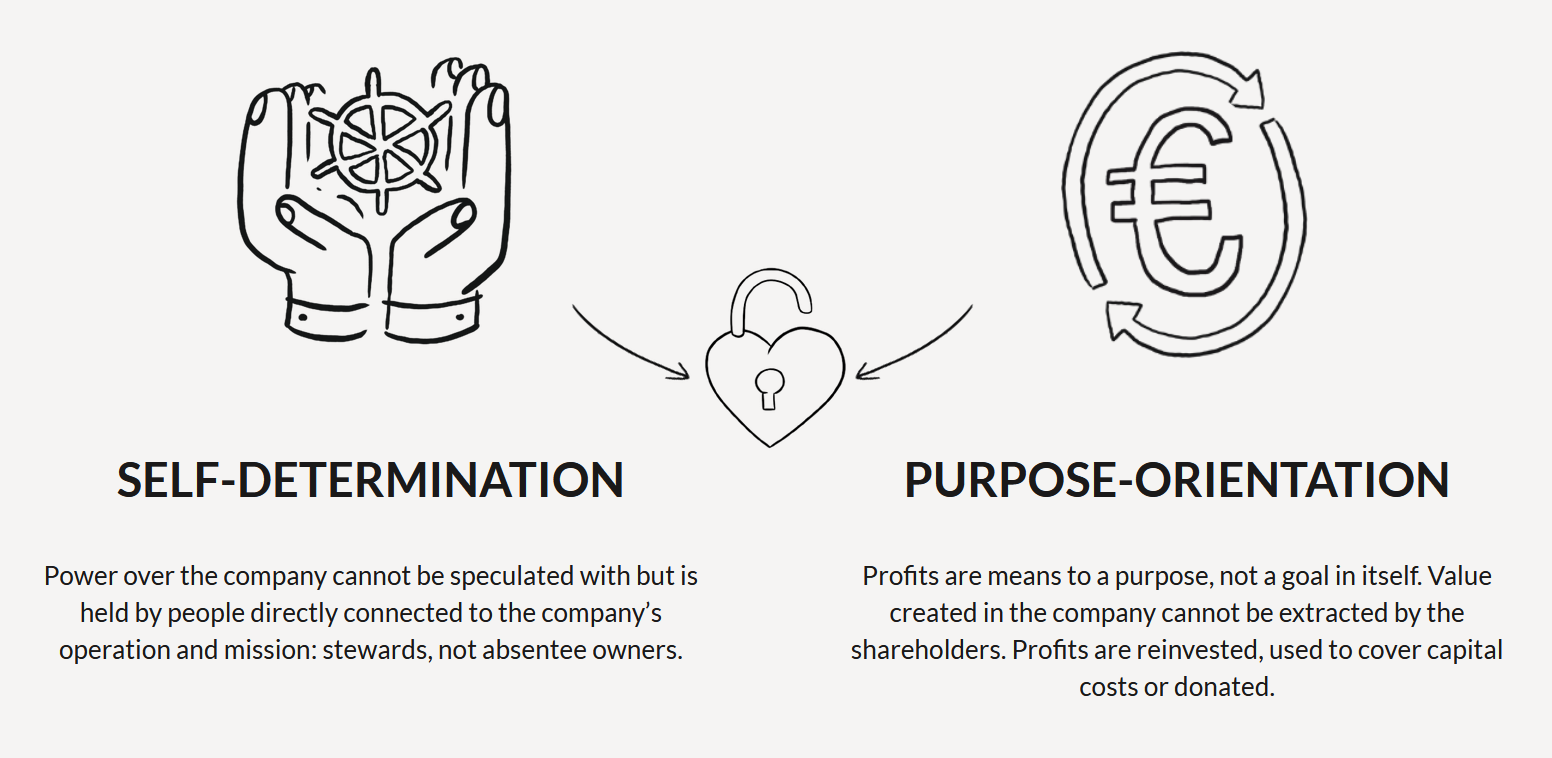
Company as a Commons
What if excess wealth derived from business couldn't be privatized? Through the levers of steward-ownership, companies can protect their purpose-oriented long term mission from the maligned incentives of absentee stakeholders.
Foursquare died at the hands of private equity. What happens next?
Foursquare has come to an end at the hands of private equity. It was a fun service that led to really great real-world experiences - but what happens to those check-ins now?

The Hidden Cost of Privatization
Why some goods and services should stay in the public domain

On Independence
No brand money. No affiliates. No investors. The rules Worse on Purpose runs on.

Investing in Enterprises That Work for Everyone (SSIR)
Impact investors can support a more just economy by prioritizing alternative ownership enterprises that shift power away from shareholders to workers, the community, and the planet. <meta property=

With JOBS Act Becoming Law, Crowdfunding Platforms Look To Create Self-Regulatory Body | TechCrunch
Today, President Obama signs the JOBS Act into law, legalizing crowdfunding in startups by non-accredited investors, so that anyone and their mother can invest. The new law stipulates that entrepreneurs can now raise money from any and all, however, startups are limited to $1 million per year, and must stick to portals approved by the Securities and Exchange Commission. What's more, the legislation dispenses with the 500-shareholder rule, which put a limit on the number of shareholders a company was allowed before registering with the SEC (and going public). The new law gives high-growth companies a longer grace period, or on-ramp, leading up to IPOs, and lifts some of the one-size-fits all regulation that likely has been hampering the IPO market. While this is a big win for startups, it puts significant pressure on the crowdfunding market to self-regulate -- which is risky. That's why 13 equity and debt crowdfunding platforms and insiders have come together to form a leadership group to bring attention to the need -- really, requirement -- for the industry to develop effective self-regulation, best practices, and investor protection.

So does private equity own everything?
Why Aren’t Mothers Worth Anything to Venture Capitalists?
The struggles of a breast-pump startup underscore V.C.’s blind spot when it comes to women and babies.
