

What building a research institute at 100% adoption actually looks like
70 years of AI hype
Quoting from Olivia Guest et al. (2025) "Against the Uncritical Adoption of AI Technologies in Academia."
AI Economy Institute - Microsoft Research
The AI Economy Institute (AIEI) is Microsoft’s flagship think tank dedicated to shaping an inclusive, trustworthy AI economy. We building a network of scholars and convening that network with our subject matter experts to explore how artificial intelligence is transforming work, education, and productivity – and making this knowledge base available to policy-makers, educators, and […]

3: Consulting the Record: AI Consistently Fails the Public - AI Now Institute
Amid the excitement over AI’s (speculative, hypothetical) potential, we have lost sight of the sobering reality of its present and recent past. AI is already intermediating critical social infrastructures, materially reshaping our institutions in ways that ratchet up inequality and concentrate power in the hands of the already powerful. It is consistently deployed in ways […]
As more Americans adopt AI tools, fewer say they can trust the results | TechCrunch
AI adoption is rising in the U.S., but trust remains low, with most Americans concerned about transparency, regulation, and the technology’s broader societal impact, according to a new Quinnipiac poll.

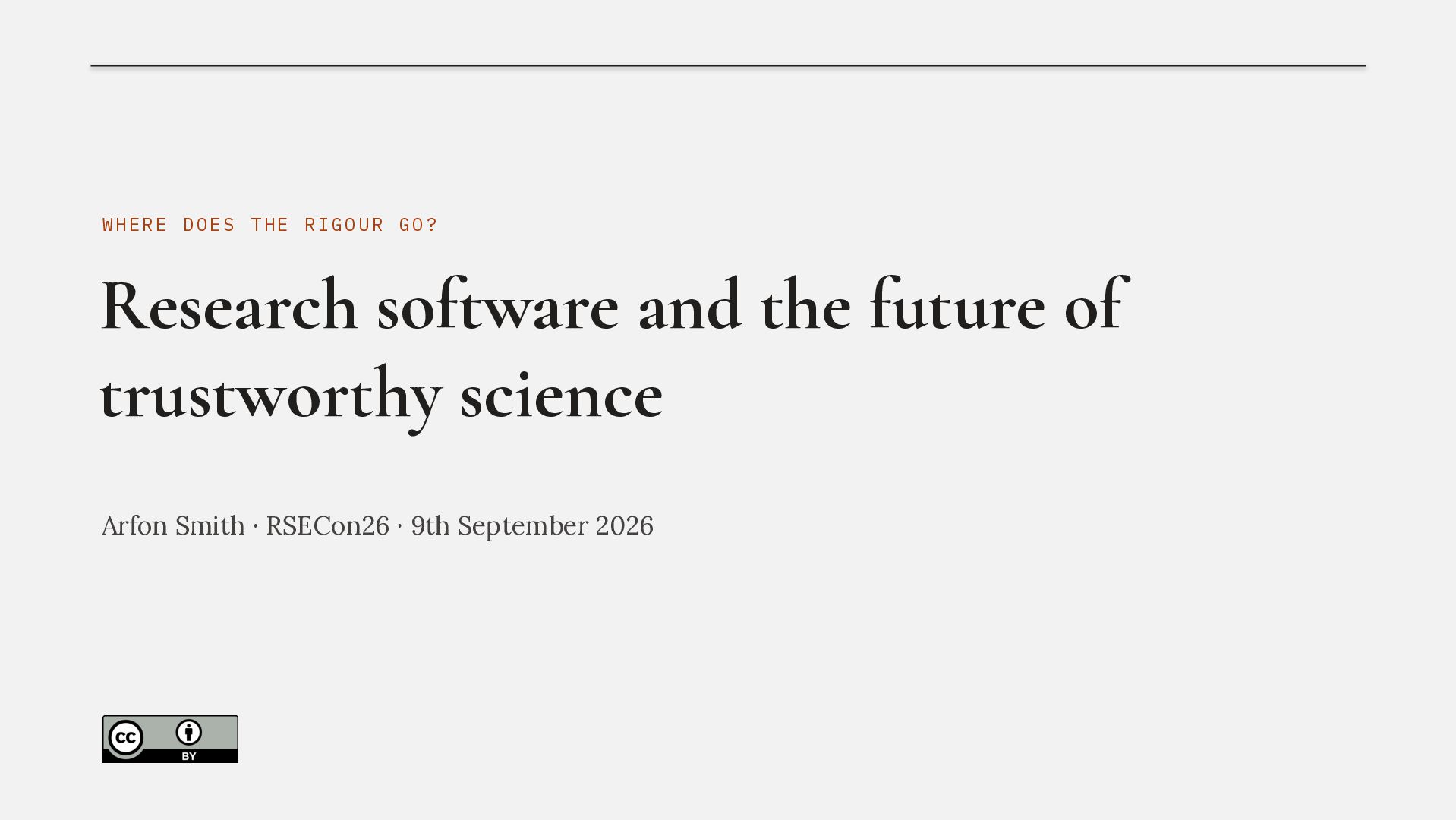
Where does the rigor go? Research software and the future of trustworthy science.
Generative AI now makes it dramatically easier to produce something that looks like research: analysis code, figures, literature reviews, even whole pap…
DAIR Institute
The Distributed AI Research Institute is a globally distributed organization of academics, activists, and engineers conducting community-rooted research.
DAIR Institute
The Distributed AI Research Institute is a globally distributed organization of academics, activists, and engineers conducting community-rooted research.
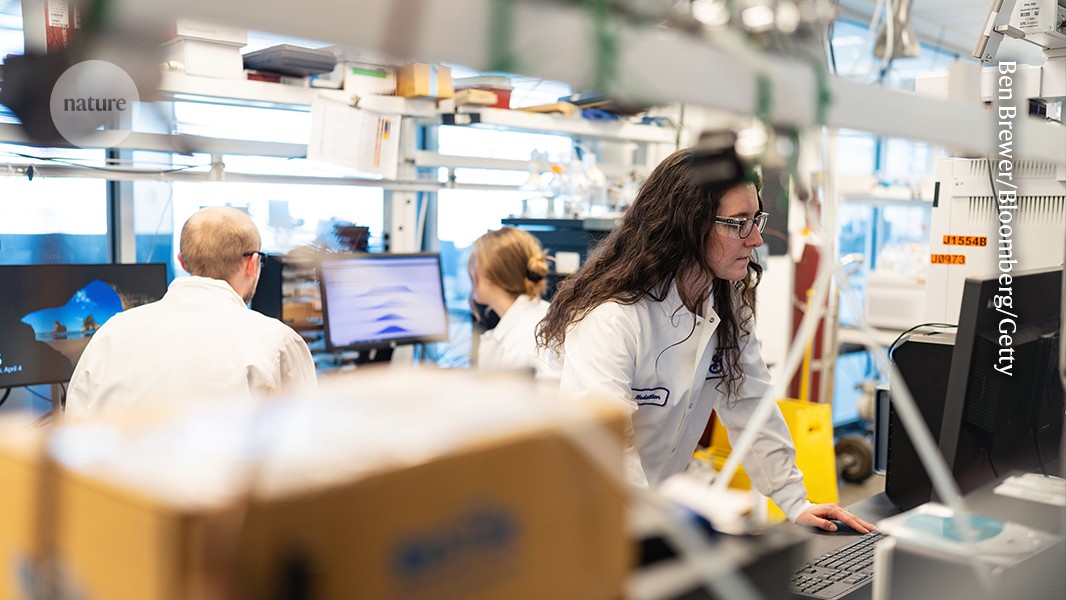
AI scientists are changing research — institutions, funders and publishers must respond
The ability to automate the discovery process in some areas of scientific inquiry raises unanswered questions about how research should be conducted.
No. 030: Google Deep Review, AI research taste, AI in dissertations - The Hallway Track
The Hallway Track No. 030 - How AI is affecting the practice of science
HOME | Institute For Collaborative Innovation | Canada's Innovation Think Tank
The Institute for Collaborative Innovation (ICI Canada) is a leading think tank driving science, technology, and innovation (STI) policy through research, collaboration, and evidence-based solutions.
No. 002: Hallucinated citations at scale, ICML catches AI reviewers, scholarly infrastructure gaps - The Hallway Track
The Hallway Track No. 002 - How AI is affecting the practice of science
The AI Roles Continuum: Blurring the Boundary Between Research and...
The rapid scaling of deep neural networks and large language models has collapsed the once-clear divide between "research" and "engineering" in AI organizations. Drawing on a qualitative synthesis...

Building The CI Corporation — The Collective Intelligence Project
Existing financialization models have trapped us into only funding certain technologies, with a constrained set of stakeholders, outcomes, and possibilities. We need a better container in which to build the future of technology, be it satellites or space travel or AI research. Other approaches are n
Absolutely incredible figure from this journal article arguing that AI should be accepted into the publication and peer review process. #MedSky doi.org/10.1515/cclm-2025-1180
...why some companies have started mandating AI adoption, or why Fink & Nadella keep saying things like “you have to trust it” & “it’s going to be diffused” so emphatically it feels like protesting too much, it’s because the slingshot from infrastructural investment to hyperscaled application... 8/
Absolutely incredible figure from this journal article arguing that AI should be accepted into the publication and peer review process. #MedSky doi.org/10.1515/cclm-2025-1180

