

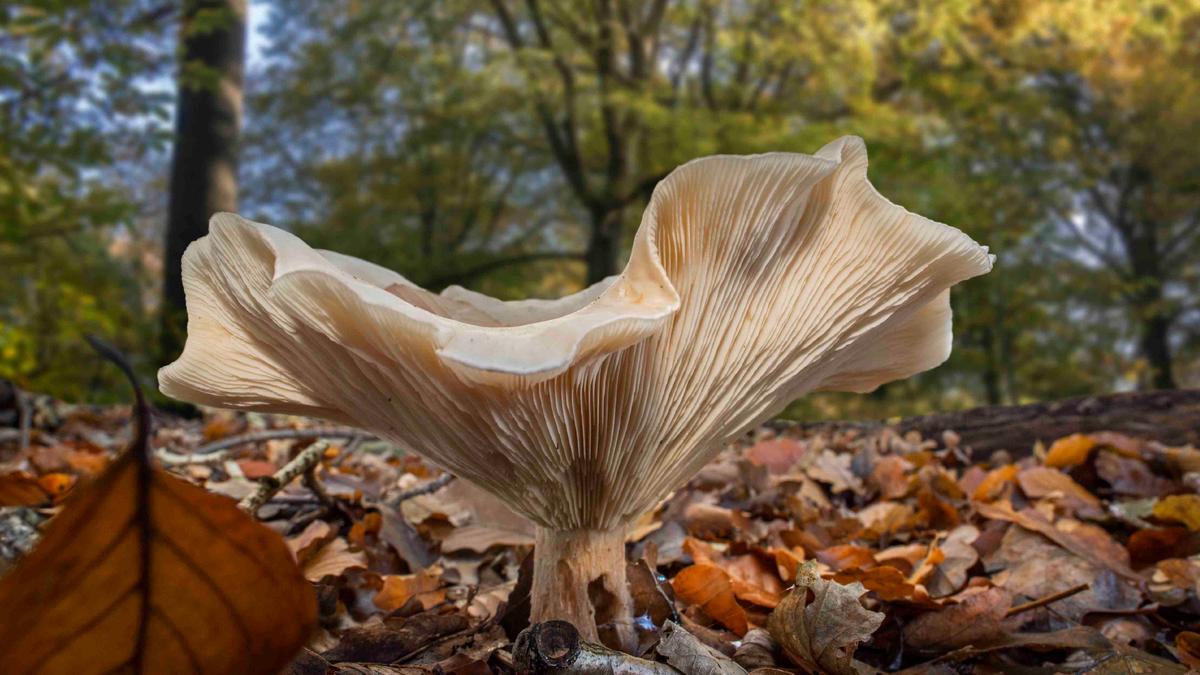
The evidence for fungal intelligence is in: they can operate as individuals, make decisions, learn, and have short-term memory
Wild About Mushrooms: Contents
Copyright © 1987, 2000 by Louise Freedman and the Mycological Society of San Francisco A MykoWeb and MSSF Page
Let’s Become Fungal!
Inspired by conversations with: Francisca Álvarez Sánchez, Carolina Caycedo, Annalee Davis, Maya Errázuriz, Juan Ferrer, Lilian Fraiji, Giuliana Furci, Sofía Gallisá Muriente, Yina Jiménez Suriel, Patricia Kaishian, Mirla Klijn and Olaf Boswijk, Lola Malavasi and Daniela Morales Lisac, Martina Manterola and Carmen Serra, Camila Marambio, Mariana Martínez Balvanera, Claudia Martínez Garay, Lina Meija and Luciana Fleischman, Tomaz Morgado Françozo and Marília Carneiro Brandão, Marion Neumann, Maria Alice Neves, Tara Rodríguez Besosa, Raquel Rosenberg, Juli Simon, Ela Spalding, Gianine Tabja, Gabriela Flores del Pozo and Lucia Monge, Fer Walüng, Tatyana Zambrano

Cognition without brains? Learning and memory in microorganisms
Memory and learning are cognitive abilities typically associated with animals that possess a complex nervous system. Interestingly, recent studies suggest that microorganisms might also display learning-like behaviours. However, a factor limiting progress in this field is the lack of shared, microbe-specific frameworks that allow microbiologists to easily compare discoveries with concepts developed in cognitive sciences. In this review, we aim to bridge this gap by providing a conceptual overview of the definitional requirements for memory and learning to classify microbial behaviours and capabilities. Additionally, we identify and address problems that cause conceptual ambiguity in the microbial cognition literature, thereby facilitating more productive debates on the topic. Finally, we provide a novel perspective on how microbes might ‘learn’ from each other.

Mushrooms evolved psychedelics twice, baffling scientists
Researchers found that magic mushrooms and fiber caps independently evolved different biochemical pathways to create psilocybin. This convergence shows nature’s ingenuity, but the reason why remains unknown—possibly predator deterrence. Beyond evolutionary mystery, the discovery provides new enzyme tools for biotech, with promising applications for producing psilocybin-based medicines.
Controlled Mold
A blog about fermentation, engineering, and cell-ag. We run wild experiments on microbes and try to eat them, all with the help of computers and math.

Termitomyces
Termitomyces is a genus of basidiomycete fungi known as termite mushrooms in Lyophyllaceae family farmed by fungus-growing termites. The fungi and the termites interdepend to live, as the termites house and culture the fungi, and the fungi in turn provide foods for the termites. Often after a raining, the fungi grow mushrooms, which are edible and highly regarded for their flavor.

The cognitive cell: bacterial behavior reconsidered
Research on how bacteria adapt to changing environments underlies the contemporary biological understanding of signal transduction, and signal transduction provides the foundation of the information-processing approach that is the hallmark of the ‘cognitive revolution,’ which began in the mid-20th century. Yet cognitive scientists largely remain oblivious to research into microbial behavior that might provide insights into problems in their own domains, while microbiologists seem equally unaware of the potential importance of their work to understanding cognitive capacities in multicellular organisms, including vertebrates. Evidence in bacteria for capacities encompassed by the concept of cognition is reviewed. Parallels exist not only at the heuristic level of functional analogue, but also at the level of molecular mechanism, evolution and ecology, which is where fruitful cross-fertilization among disciplines might be found.

Learning Outside the Brain: Integrating Cognitive Science and Systems Biology
Learning is commonplace in organisms such as ourselves and even in organisms as far distant as the bee and the octopus. Such learning is implemented by brains, or neuronal networks, and has been extensively studied within ethology, psychology, cognitive science, and neuroscience. Whether learning also takes place in nonneuronal settings has remained a matter of sustained controversy, too often dominated by ideological views. In this survey, I will explain how learning can be rigorously interpreted as a form of information processing and then explore the evidence for whether learning also takes place in organismal contexts outside the brain, such as physiology, development, and individual cells. I will try to explain why it is important to build bridges in this way between cognitive science and systems biology, why concepts and methods from various branches of engineering may be helpful in this task, and what the eventual impact may be on how we think about the organism.
What Are Psychedelic Entities?
The beings people often meet while using psychedelics resist tidy explanations.

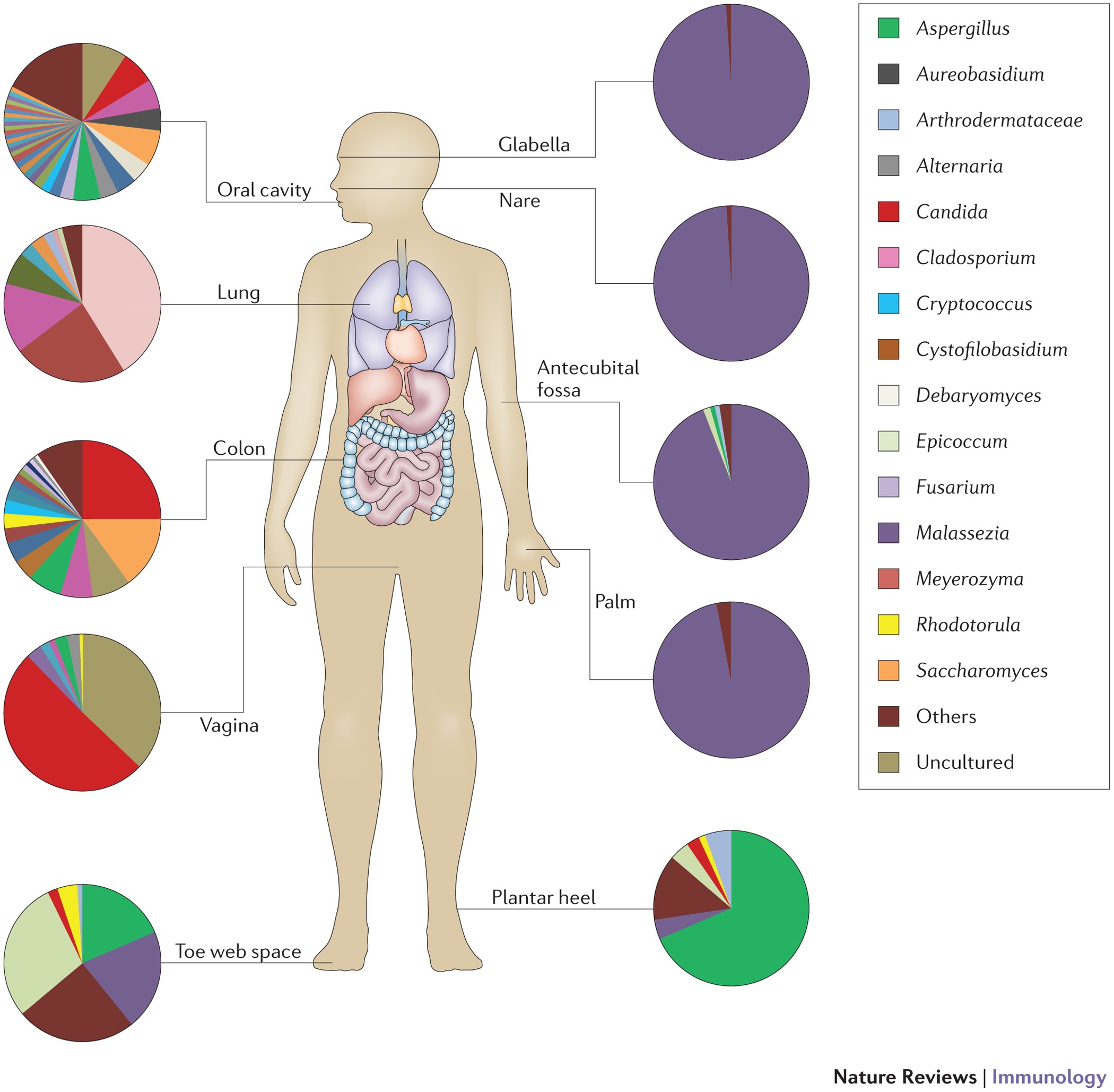
The mycobiota: interactions between commensal fungi and the host immune system
The fungal microbiota, or 'mycobiota', is an understudied component of the microflora that is found on all mucosal surfaces and on the skin.Like other microorganisms, fungi interact with the immune system at these surfaces in ways that are important both for host defence and for regulating the immune system.Investigators who study the mycobiota face both biological and bioinformatic challenges.The study of human genetic disorders and genetic polymorphisms teaches us about the mechanisms by which commensal and pathogenic fungi interact with the immune system.
Little mushroom grows out of bark covered in lichens #FungiFriday #mycology #mushrooms #nature #photography
Find home for you and your spikey skillset #FungiFriday #FungiFriends
Second flush of pink oyster mushrooms. They were perfect in a quiche this weekend! #mushrooms #fungifriends #fungi
Cellosophy

Exploring the origins of intelligence and agency, starting with unicellular organisms such as bacteria, choanoflagellates and other protists.

Principles of Minimal Cognition: Casting Cognition as Sensorimotor Coordination
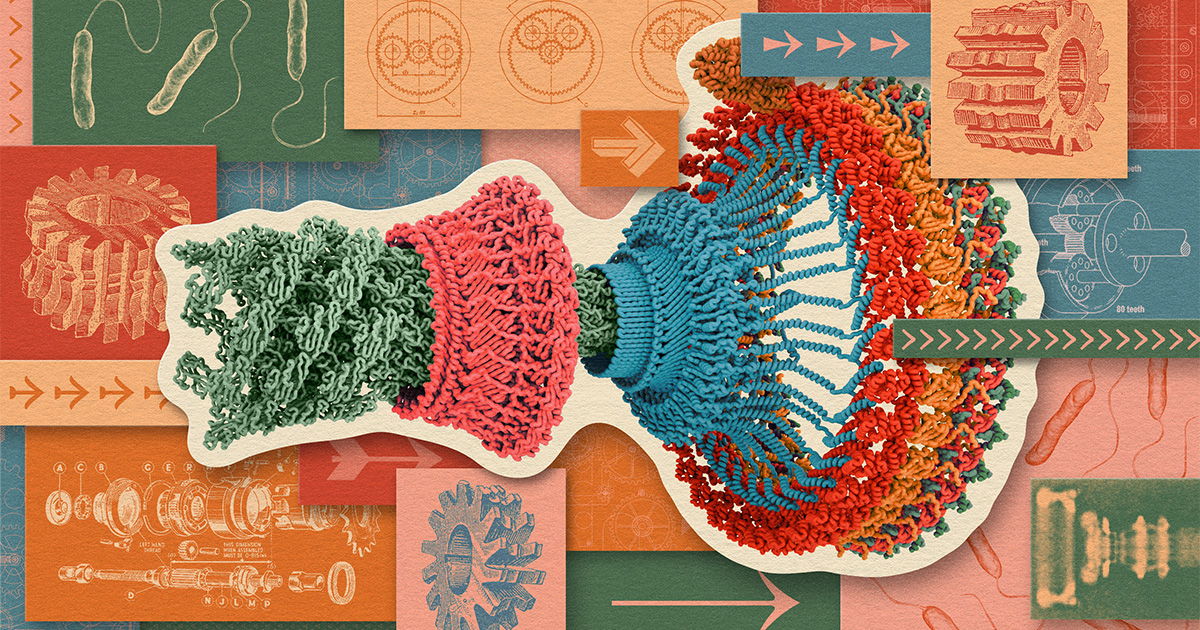
What Physical ‘Life Force’ Turns Biology’s Wheels? | Quanta Magazine
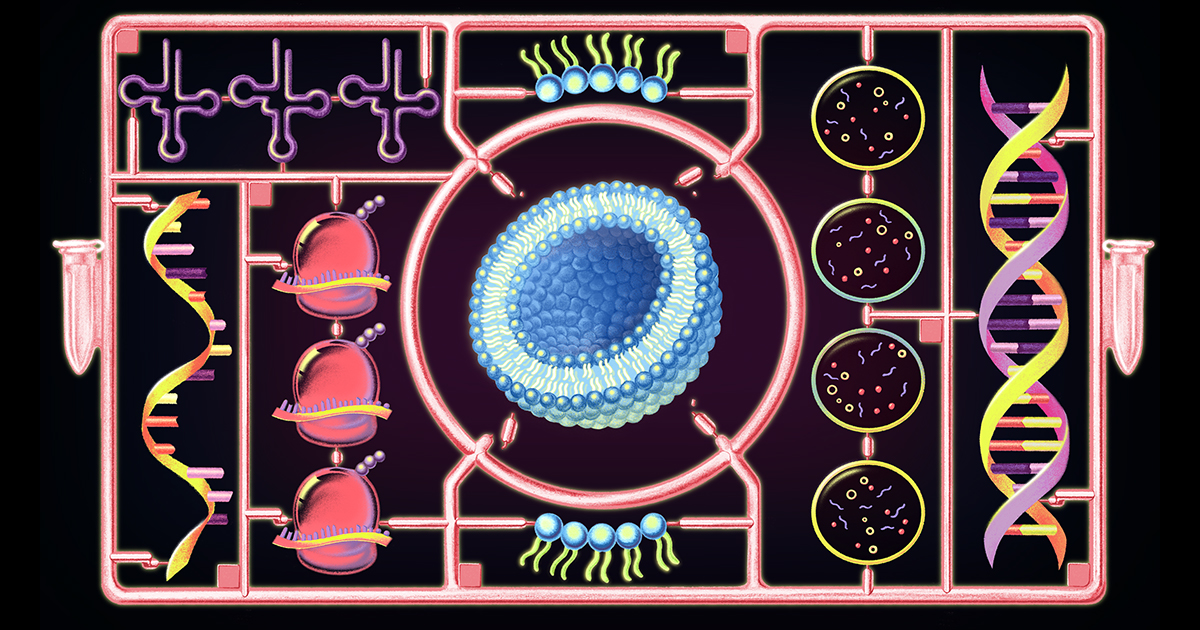
For the First Time, a Cell Built From Scratch Grows and Divides | Quanta Magazine
www.science.org
Cognition without brains? Learning and memory in microorganisms
Learning Outside the Brain: Integrating Cognitive Science and Systems Biology


