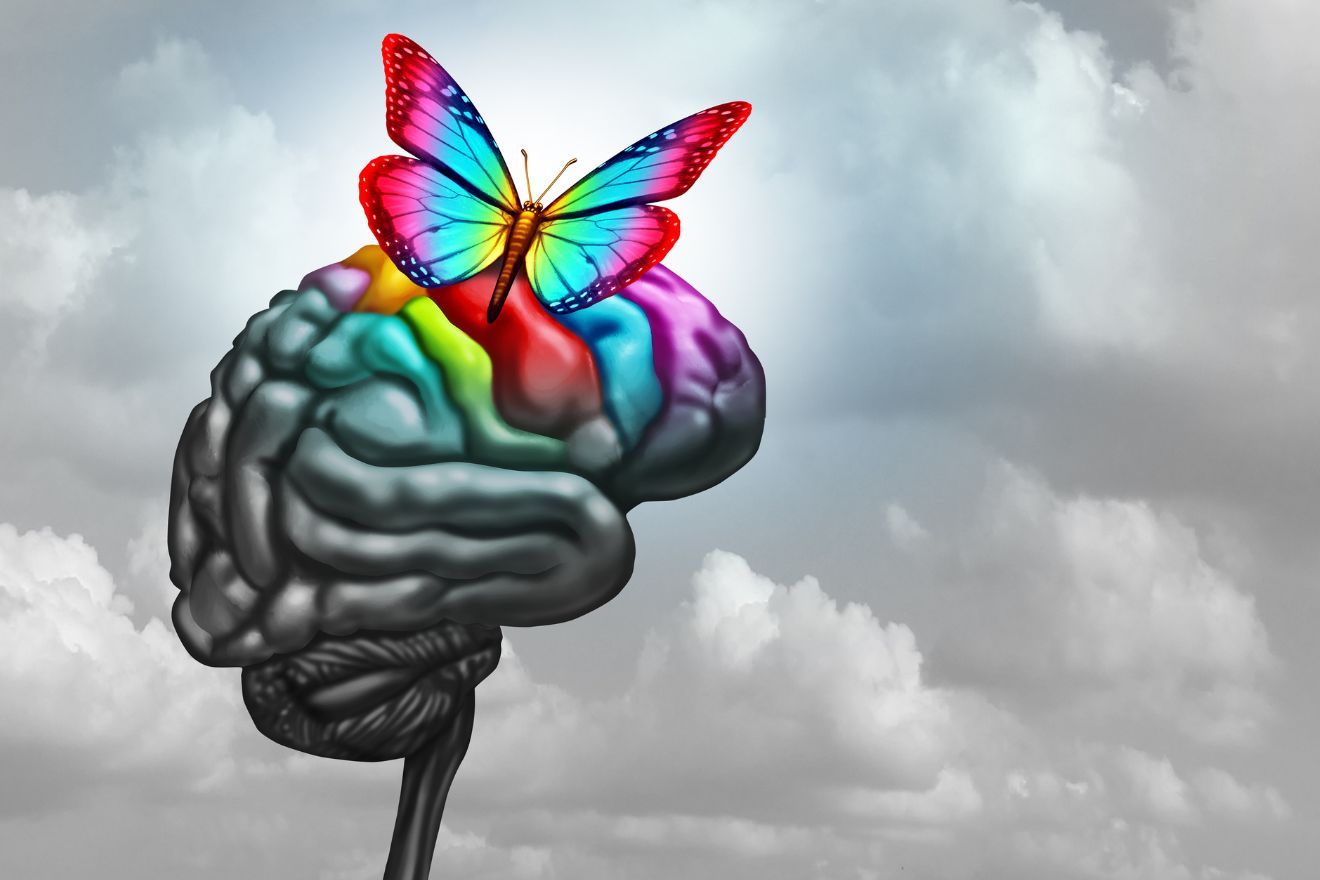
MDMA comes with health risks. Follow these guidelines and take these supplements to reduce side effects of MDMA or Ecstasy.
FDA Designates MDMA As 'Breakthrough Therapy' For Post-Traumatic Stress
The drug, often used recreationally in the form of ecstasy, has been found to offer a potentially significant advantage over extant treatments for the disorder.

How and when to take methylphenidate for adults
NHS medicines information on dosage for methylphenidate for adults, how to take it and what to do if you miss a dose or take too much.

Methylenedioxymethamphetamine (‘Ecstasy’)-induced immunosuppression: a cause for concern?
Methylenedioxymethamphetamine (MDMA; ‘Ecstasy’) is a ring-substituted amphetamine and a popular drug of abuse. In addition to ability to induce euphoria, MDMA abuse is associated with a range of acute and long-term hazardous effects. This paper is focused on once such adverse effect: its ability to negatively impact on functioning of the immune system. Research demonstrates that MDMA has immunosuppressive properties, with both innate and adaptive arms of the immune system being affected. The ability of MDMA to suppress innate immunity is indicated by impaired neutrophil phagocytosis and reduced production of dendritic cell/macrophage-derived pro-inflammatory cytokines including tumour necrosis factor-alpha, interleukin (IL)-1β, IL-12 and IL-15. MDMA also suppresses innate IFN-γ production, and considering the role of IFN-γ in priming antigen-presenting cells, it is not surprising that MDMA reduces MHC class II expression on dendritic cells and macrophages, and inhibits co-stimulatory molecule expression. Paradoxically, studies demonstrate that MDMA elicits pro-inflammatory actions in the CNS by activating microglia, the resident innate immune cells in the brain. In terms of adaptive immunity, MDMA reduces circulating lymphocyte numbers, particularly CD4+ T-cells; suppresses T-cell proliferation; and skews cytokine production in a Th2 direction. For the most part, the immunosuppressive effects of MDMA cannot be attributed to a direct action of the drug on immune cells, but rather due to the release of endogenous immunomodulatory substances. In this regard, peripheral β-adrenoceptors and cholinergic receptors have been shown to mediate some immunosuppressive effects of MDMA. Finally, we discuss emerging evidence indicating that MDMA-induced immunosuppression can translate into significant health risks for abusers.

Why more B.C. health-care workers are training to provide MDMA-assisted psychotherapy | CBC News
As more promising research emerges about MDMA — a recreational drug also known as ecstasy or molly — so too has interest grown in how health-care practitioners can be equipped to treat their patients using MDMA, says a B.C. non-profit.

What dosage of methylphenidate and how many times a day do you find works for you?
12 votes, 38 comments. (Sorry in advance about the essay and thank you in advance for any information on experiences you may have, I find hearing…
Sunscreen: How to Help Protect Your Skin from the Sun
How you use sunscreens, and what other protective measures you take, make a difference in how well you are able to protect yourself and your family from sunburn, skin cancer, early skin aging and other risks of overexposure to the sun.
How easy is it to get addicted to methylphenidate?
Hi so I (18m) will start taking prescripted methylphenidate (medikinet) next thursday and i’ve never taken any stimulants (besides caffeine and…
Intravenous Methylphenidate Abuse
Data are presented from a case series of 22 patients who abused methylphenidate hydrochloride (Ritalin-SR). The abuse pattern and symptoms of toxicity were similar to that seen with cocaine hydrochloride and amphetamine sulfate addiction; yet, the morbidity and mortality seen in this case series...

Antibiotics’ side-effects include immune disease and fewer brain cells
Killing gut microbes that keep immune system in line may have far reaching effects.
'Sleep should be prescribed': what those late nights out could be costing you
Leading neuroscientist Matthew Walker on why sleep deprivation is increasing our risk of cancer, heart attack and Alzheimer’s – and what you can do about it

The medications that change who we are
They’ve been linked to road rage, pathological gambling, and complicated acts of fraud. It turns out many ordinary medications don’t just affect our bodies – they affect our brains.
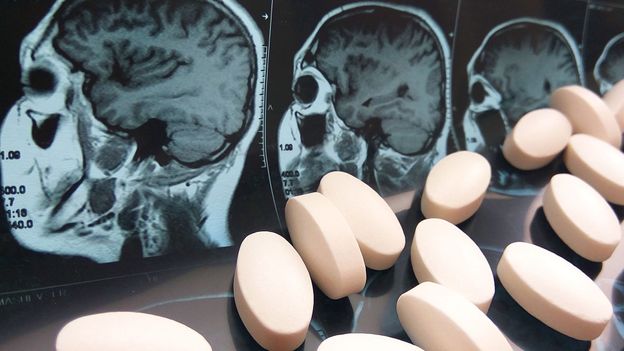
8 things to know about the gut microbiome and keeping yours healthy
Wellness influencers often talk about fixing a broken gut microbiome. And marketers sell tests and supplements to fix your gut health. Here's what what the evidence really shows about gut health.

BBC News | Africa | Ecstasy for apartheid
A South African scientist says he was employed by the military to manufacture the drug Ecstasy, which the apartheid government hoped to use to incapacitate its enemies.
Scientists Like Me Knew There Was Something Amiss With Andrew Huberman’s Wildly Popular Podcast
He recommends supplements. He’s iffy on the flu shot. And more.

What is the most dangerous drug?
Some drugs classified as highly dangerous are less harmful than alcohol or tobacco

Let it shine: the unexpected benefits of sun exposure on skin
For years we’ve been told to avoid sun to prevent skin cancer. But research suggests a dose of rays can boost your immune system and increase lifespan. We look on the bright side