

OBJECTIVE AND AIMS: Fatigue is common in inflammatory bowel disease (IBD). In a RCT we demonstrated reductions in fatigue after 4 weeks' treatment with high-dose oral thiamine. We aimed to investigate whether 300 mg thiamine daily for 12 weeks could maintain the achieved levels of fatigue in patients with IBD after a 4-week intervention with high-dose thiamine; and evaluate the effect of a 6-month period where patients were free to take oral thiamine. METHODS: A randomised, open-label, controlled trial, performed as a long-term extension (LTE) study of an initial randomised, high-dose thiamine trial. Patients were allocated 1:1 to 300 mg oral thiamine or no thiamine for 12 weeks. Subsequently, the patients were allowed to self-treat with over-the-counter (OTC) oral thiamine 6-month. RESULTS: Regardless of allocation in the LTE study fatigue severity increased in the study period. No significant effect of 300 mg oral thiamine were found, when stratifying for initial allocation in the high-dose study or fatigue level at entry in the LTE study. Patients who took OTC thiamine had lower level of fatigue 6 month later (7.8; 95% CI: 5.5-10.1) when compared to the remains (11.0; 95% CI: 9.2-12.8) (p = .02). After the 6-months follow-up without restrictions, 66% of patients had reached normal fatigue levels. CONCLUSIONS: We found no beneficial effect on fatigue from thiamine taken in doses of 300 mg per day for 12 weeks following high-dose treatment. After a 6-months follow-up without restrictions 66% had reached a normal level of fatigue. CLINICAL TRIAL REGISTRATION: The trial was registered at ClinicalTrials.gov under study identifier NCT03634735.
Thiamine and Fatigue in Inflammatory Bowel Diseases: An Open-label Pilot Study
Objectives:To demonstrate that fatigue and other disorders related to ulcerative colitis and Crohn's disease are the manifestation of an intracellular mild thiamine deficiency and not due to malabsorbtion, augmented requirements, or nutritional factors, and that this dysfunction is curable with high doses of thiamine administered orally or parenterally.Design:In this pilot study, we treated fatigue in eight patients with ulcerative colitis and four patients affected by Crohn's disease from January to April 2011. The patients were recruited through general practitioners' surveys and among personnel and affiliated personnel of the clinic Villa Immacolata. Fatigue was measured using the chronic fatigue syndrome scale, and the determination of thiamine and thiamine pyrophosphate levels in the blood was carried out through blood tests. The levels of thiamine and thiamine pyrophosphate in the blood were normal. All patients were assigned to receive high doses of thiamine orally. Depending upon the body weight of each patient, dosage ranged from 600 mg/day (60 kg) to 1,500 mg/day (90 kg). The chronic fatigue syndrome scale as well as thiamine and thiamine pyrophosphate levels in the blood were measured 20 days after the beginning of the therapy.Results:Ten patients out of twelve showed complete regression of fatigue, while the remaining two patients showed nearly complete regression of fatigue compared to the chronic fatigue syndrome scale scores before therapy.Conclusions:The absence of blood thiamine deficiency and the efficacy of high-dose thiamine in our patients suggest that fatigue is the manifestation of a thiamine deficiency, likely due to a dysfunction of the active transport of thiamine inside the cells, or due to structural enzymatic abnormalities. The administration of large quantities of thiamine increases the concentration in the blood to levels in which the passive transport restores the normal glucose metabolism in all cells and leads to a complete regression of fatigue.

Patient-reported treatment outcomes in ME/CFS and long COVID
Myalgic encephalomyelitis/chronic fatigue syndrome (ME/CFS) and long COVID are persistent multisystem illnesses affecting many patients. With no known effective FDA-approved treatments for either condition, patient-reported outcomes of treatments may prove helpful in identifying management strategies that can improve patient care and generate new avenues for research. Here, we present the results of an ME/CFS and long COVID treatment survey with responses from 3,925 patients. We assess the experiences of these patients with more than 150 treatments in conjunction with their demographics, symptoms, and comorbidities. Treatments with the greatest perceived benefits are identified. Patients with each condition who participated in the study shared similar symptom profiles, including all the core symptoms of ME/CFS, e.g., 89.7% of ME/CFS and 79.4% of long COVID reported postexertional malaise (PEM). Furthermore, treatment responses between these two patient groups were significantly correlated (R 2 = 0.68). Patient subgroups, characterized by distinct symptom profiles and comorbidities, exhibited increased responses to specific treatments, e.g., a POTS-dominant cluster benefiting from autonomic modulators and a cognitive-dysfunction cluster from CNS stimulants. This study underscores the symptomatic and therapeutic similarities between ME/CFS and long COVID and highlights the commonalities and nuanced complexities of infection-associated chronic diseases and related conditions. While this study does not provide recommendations for specific therapies, in the absence of approved treatments, insights from patient-reported experiences provide urgently needed real-world evidence for developing targeted patient care therapies and future clinical trials.

RETRACTED ARTICLE: Efficacy of oral folinicacid supplementation in children with autism spectrum disorder: a randomizeddouble-blind, placebo-controlled trial
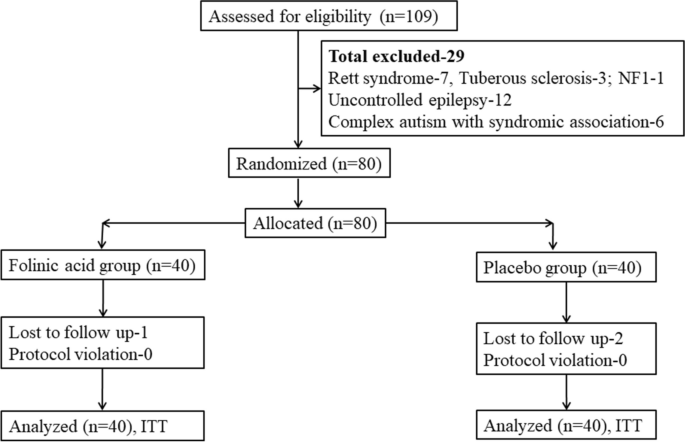
Oral folinic acid has shown potential to improve symptoms in childrenwith autism spectrum disorder (ASD). However, randomized controlled trials (RCTs)are limited. This double-blind, placebo-controlled RCT aimed to compare changes inChildhood Autism Rating Scale (CARS) scores in children with ASD aged 2–10 years,among folinic acid (2 mg/kg/day, maximum of 50 mg/day) and placebo groups at24 weeks, in comparison with baseline. Both the groups received standard care (ABAand sensory integration therapy). Secondary objectives included changes inbehavioral problems measured by the Child Behavior Checklist (CBCL) and serum levelsof anti-folate receptor autoantibodies and folic acid, correlated with changes inautism symptom severity. Out of the 40 participants recruited in each group, 39 and38 participants completed the 24-week follow-up in the folinic acid and placebogroups, respectively. The change in CARS score was higher in the folinic acid group(3.6 ± 0.8) compared to the placebo group (2.4 ± 0.7, p < 0.001). Changes in CBCL total score and CBCL internalizingscore were also better in the folinic acid group (19.7 ± 9.5 vs. 12.6 ± 8.4 and15.4 ± 7.8 vs. 8.5 ± 5.7, p < 0.001 for both).High-titer anti-folate receptor autoantibodies were positive in 32/40 and 33/40cases in the folinic acid and placebo groups, respectively (p = 0.78). In the placebo group, improvement in CARS score wascomparable regardless of autoantibody status (p = 0.11), but in the folinic acid group, improvement was morepronounced in the high-titer autoantibody group (p = 0.03). No adverse reactions were reported in either group.
Coffee consumption and risk of incident gout in women: the Nurses’ Health Study123
Background: Coffee is one of the most widely consumed beverages in the world and may affect the risk of gout via various mechanisms, but prospective data on the relation between coffee intake and the risk of incident gout are limited. Design: Over a 26-y period, we prospectively examined the relation between coffee intake and risk of incident gout in 89,433 female participants in the Nurses’ Health Study. We assessed the consumption of coffee, decaffeinated coffee, tea, and total caffeine in participants every 2–4 y through validated questionnaires. We used a supplementary questionnaire to ascertain whether participants met the survey criteria of the American College of Rheumatology for gout. Results: During the 26 y of follow-up, we documented 896 confirmed incident cases of gout. There was an inverse association between higher coffee intake and the risk of gout. The multivariate relative risks (RRs) for incident gout according to coffee-consumption categories [ie, 0, 1–237, 238–947, and ≥948 mL coffee/d (237 mL = one 8-ounce cup)] were 1.00, 0.97, 0.78 (95% CI: 0.64, 0.95), and 0.43 (95% CI: 0.30, 0.61; P for trend < 0.0001), respectively. For decaffeinated coffee, the multivariate RRs according to consumption categories (0, 1–237, and ≥237 mL decaffeinated coffee/d) were 1.00, 1.02, and 0.77 (95% CI: 0.63, 0.95; P for trend = 0.02), respectively. There was an inverse association between total caffeine from all sources and the risk of gout; the multivariate RR of the highest quintile compared with the lowest quintile was 0.52 (95% CI: 0.41, 0.68; P for trend
U.S. Montmorency Tart Cherry Juice Decreases Bone Resorption in Women Aged 65–80 Years
Pre-clinical studies have demonstrated that tart cherries, rich in hydroxycinnamic acids and anthocyanins, protect against age-related and inflammation-induced bone loss. This study examined how daily consumption of Montmorency tart cherry juice (TC) alters biomarkers of bone metabolism in older women. Healthy women, aged 65–80 years (n = 27), were randomly assigned to consume ~240 mL (8 fl. oz.) of juice once (TC1X) or twice (TC2X) per day for 90 d. Dual-energy x-ray absorptiometry (DXA) scans were performed to determine bone density at baseline, and pre- and post-treatment serum biomarkers of bone formation and resorption, vitamin D, inflammation, and oxidative stress were assessed. Irrespective of osteoporosis risk, the bone resorption marker, tartrate resistant acid phosphatase type 5b, was significantly reduced with the TC2X dose compared to baseline, but not with the TC1X dose. In terms of indicators of bone formation and turnover, neither serum bone-specific alkaline phosphatase nor osteocalcin were altered. No changes in thiobarbituric acid reactive substances or high sensitivity C-reactive protein were observed in response to either TC1X or TC2X. We conclude that short-term supplementation with the higher dose of tart cherry juice decreased bone resorption from baseline without altering bone formation and turnover biomarkers in this cohort.

Effect of Bacillus subtilis C-3102 on bone mineral density in healthy postmenopausal Japanese women: a randomized, placebo-controlled, double-blind clinical trial
Gut microbiota influence the host immune system and are associated with various diseases. In recent years, postmenopausal bone loss has been suggested to be related to gut microbiota. In the present study, we investigated the treatment effect of the probiotic Bacillus subtilis C-3102 (C-3102) on bone mineral density (BMD) and its influence on gut microbiota in healthy postmenopausal Japanese women. Seventy-six healthy postmenopausal Japanese women were treated with a placebo or C-3102 spore-containing tablets for 24 weeks. When compared with the placebo, C-3102 significantly increased total hip BMD (placebo = 0.83 ± 0.63%, C-3102 = 2.53 ± 0.52%, p=0.043). There was a significant group-by-time interaction effect for urinary type I collagen cross-linked N-telopeptide (uNTx) (p=0.033), a marker of bone resorption. Specifically, the C-3102 group showed significantly lower uNTx when compared with the placebo group at 12 weeks of treatment (p=0.015). In addition, in the C-3102 group, there was a trend towards a decrease in the bone resorption marker tartrate-resistant acid phosphatase isoform 5b (TRACP-5b) when compared with the placebo group at 12 weeks of treatment (p=0.052). The relative abundance of genus Bifidobacterium significantly increased at 12 weeks of treatment compared with the baseline in the C-3102 group. The relative abundance of genus Fusobacterium was significantly decreased in the C-3102 group at 12 and 24 weeks of treatment compared with the baseline. These data suggested that C-3102 improves BMD by inhibiting bone resorption and modulating gut microbiota in healthy postmenopausal women.

Probiotic Therapy Reduces Periodontal Tissue Destruction and Improves the Intestinal Morphology in Rats With Ligature‐Induced Periodontitis
Background: With increase in the incidence of resistance to antibiotics, probiotics are emerging as a promising adjunctive periodontal therapy. The authors of this study evaluate the influence of probiotic (PROB) supplementation on ligature‐induced periodontitis (LIP) and intestinal morphology in rats. Methods: Thirty‐two rats were randomly divided into four groups: control (C), LIP, PROB, and LIP/PROB. In groups PROB and LIP/PROB, the PROB was administered orally by addition to the drinking water of the animals for 44 days. In groups LIP and LIP/PROB, the mandibular right first molar of the animals received a cotton ligature that was left in the same position for 14 days. All animals were euthanized 44 days after the start of the PROB supplementation. The jaws were resected and histomorphometric analyses were performed. The measurements included evaluation of attachment loss (AL) and alveolar bone level (ABL) on the distal root of the mandibular first molar. Samples of the duodenum, jejunum, and ileum were also dissected from each animal to evaluate the villous height (VH) and crypt depth (CD). The data obtained were subjected to statistical analyses (analysis of variance, Tukey; P <0.05). Results: Mean values of AL and ABL were significantly higher in group LIP compared with group LIP/PROB (AL: 3.05 ± 0.57 mm and 1.78 ± 0.63 mm, respectively; ABL: 4.21 ± 0.42 mm and 3.38 ± 0.17 mm, respectively). In group LIP/PROB, the mean values of VH and CD of the jejunum were significantly higher than the ones from group LIP (VH: 672.1 ± 83.3 µm and 528.0 ± 51.7 µm, respectively; CD: 463.8 ± 100.9 µm and 269.0 ± 48.4 µm, respectively). Conclusions: It can be concluded that PROB supplementation 1) reduces AL and alveolar bone loss in rats with LIP and 2) can protect the small intestine from reactive changes induced by LIP.

PubPeer - Efficacy of oral folinic acid supplementation in children wi... | Ioana A. Cristea | 13 comments
Over the last week, I have privately been in contact with several friends and collaborators over the *SINGLE* study that was cited by the FDA in supporting the label extension of leucovorin for autism spectrum disorders. https://lnkd.in/dHpfCt_9 https://lnkd.in/dYWbHXyY Given the enormous importance of this study, and the fact that the results look too good to be true and there are various signals I would have thought would have raised a sleuth eyebrow (for example, Table 1 where all categorical values in each group except for 1 differ by exactly one unit), I am very surprised that until now the only Pubpeer comments are by two MDs and by myself, pointing to some inconsistencies between tables and figures. https://lnkd.in/duFQDccr I have also formally asked the authors for the individual participant data. Perhaps given this is not some random wacky study about how much food can one eat in a fast-food or some obscure paper citing another obscure retracted paper, but the SINGLE study that now underpins the retrospective post-marketing approval of an entire treatment, the very large community of people who want to correct science ASAP particularly when findings have huge policy implications could join me in scrutinizing this study to make sure findings are reliable and that the data are correct and analyzed correctly. | 13 comments on LinkedIn

Acute Effects of Coffee Consumption on Health among Ambulatory Adults
Coffee is one of the most commonly consumed beverages in the world, but the acute health effects of coffee consumption remain uncertain. We conducted a prospective, randomized, case-crossover trial...

Probiotic <i>Lactobacillus reuteri</i> Prevents Postantibiotic Bone Loss by Reducing Intestinal Dysbiosis and Preventing Barrier Disruption
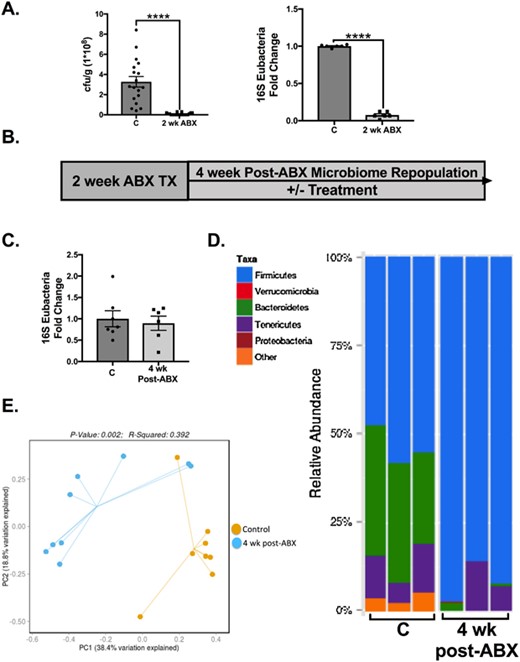
ABSTRACT Antibiotic treatment, commonly prescribed for bacterial infections, depletes and subsequently causes long-term alterations in intestinal microbiota composition. Knowing the importance of the microbiome in the regulation of bone density, we investigated the effect of postantibiotic treatment on gut and bone health. Intestinal microbiome repopulation at 4-weeks postantibiotic treatment resulted in an increase in the Firmicutes:Bacteroidetes ratio, increased intestinal permeability, and notably reduced femoral trabecular bone volume (approximately 30%, p < 0.01). Treatment with a mucus supplement (a high-molecular-weight polymer, MDY-1001 [MDY]) prevented the postantibiotic-induced barrier break as well as bone loss, indicating a mechanistic link between increased intestinal permeability and bone loss. A link between the microbiome composition and bone density was demonstrated by supplementing the mice with probiotic bacteria. Specifically, Lactobacillus reuteri, but not Lactobacillus rhamnosus GG or nonpathogenic Escherichia coli, reduced the postantibiotic elevation of the Firmicutes:Bacteroidetes ratio and prevented femoral and vertebral trabecular bone loss. Consistent with causing bone loss, postantibiotic-induced dysbiosis decreased osteoblast and increased osteoclast activities, changes that were prevented by both L. reuteri and MDY. These data underscore the importance of microbial dysbiosis in the regulation of intestinal permeability and bone health, as well as identify L. reuteri and MDY as novel therapies for preventing these adverse effects. © 2018 American Society for Bone and Mineral Research.
A contributory citizen science project reveals the impact of dietary keys to microbiome health in Spain
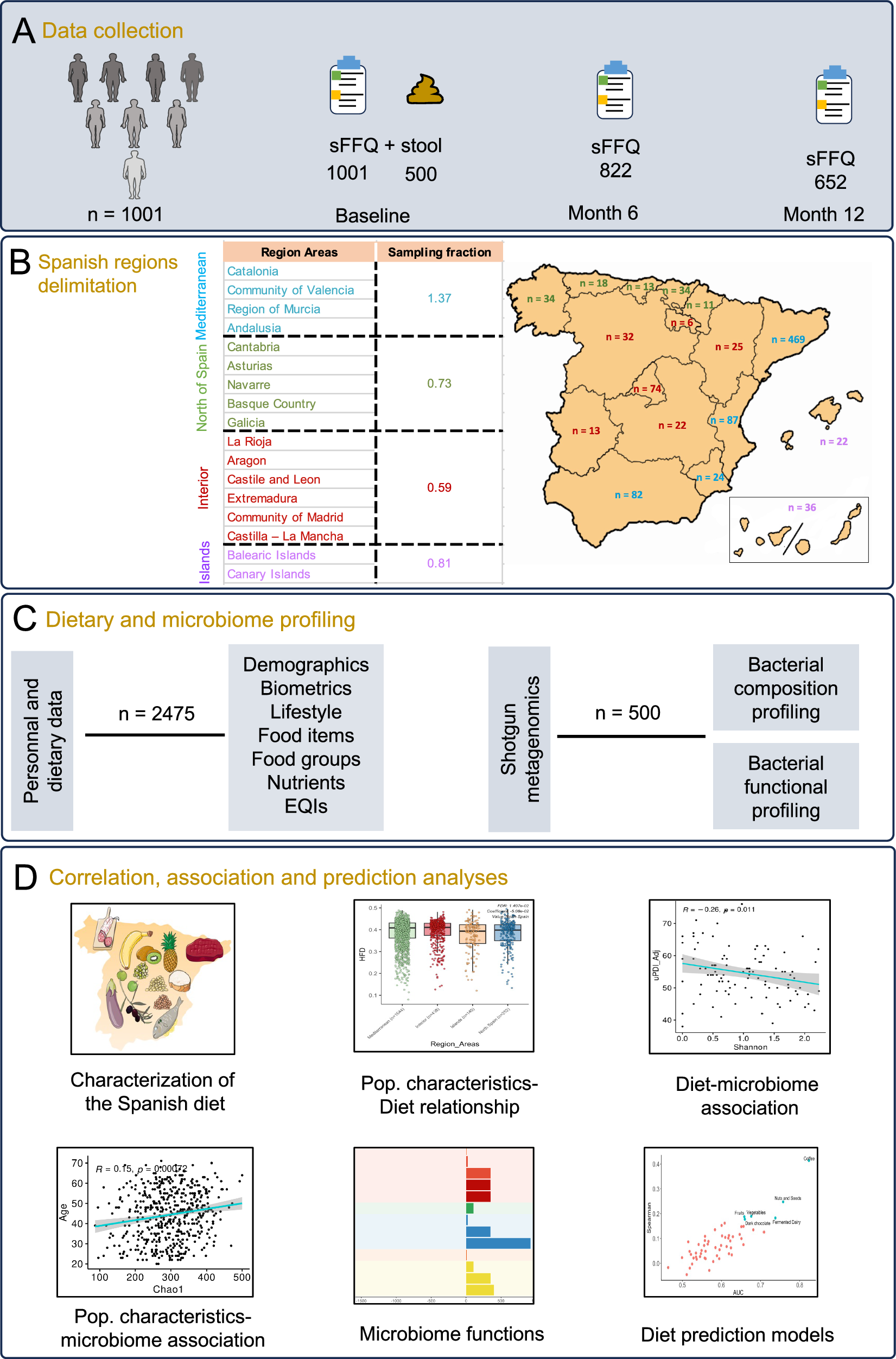
Low consumption of whole grains, fruits, and vegetables has been identified as dietary risks for non-communicable diseases such as inflammatory bowel diseases (IBDs). We explore how individual and lifestyle factors influence these risks by shaping gut microbiome composition. 1001 healthy participants from all Spanish regions provided personal and dietary data at baseline, six, and twelve months, yielding 2475 responses. Gut microbiome data were analyzed for 500 healthy participants and 321 IBD patients. Our findings reveal that adherence to national dietary guidelines—characterized by diets rich in nuts, seeds, fruits, and vegetables—was associated with greater microbial diversity and reduced IBD-related dysbiosis. Finally, we observed variations in dietary patterns and microbiome diversity and composition across age groups, genders, regions, seasons, and transit time. This study is among the first to uncover dietary intake associated with IBD-related dysbiosis and to propose an interactive website for participants (https://manichanh.vhir.org/POP/en).
Gut, inflammation and osteoporosis: basic and clinical concepts
Chronic inflammatory disorders such as inflammatory bowel diseases (IBD) affect bone metabolism and are frequently associated with the presence of osteoporosis. Bone loss is regulated by various mediators of the immune system such as the pro-inflammatory cytokines tumour necrosis factor-alpha (TNF-α), interleukin-1beta (IL-1β), IL-6, or interferon-gamma. TNF-α, a master cytokine in human IBD, causes bone erosions in experimental models and these effects are exerted by osteoclasts. Other TNF-related cytokines such as receptor activator of nuclear factor kappa B (RANK), its ligand, RANKL, and osteoprotegerin are important mediators in inflammatory processes in the gut and are critically involved in the pathophysiology of bone loss. The awareness and early diagnosis of osteoporosis in states of chronic inflammation, together with applied therapies such as bisphosphonates, may be beneficial in inflammation-associated osteoporosis. Although several mechanisms may contribute to osteoporosis in patients with IBD and coeliac disease, inflammation as an important factor has so far been neglected. As key inflammatory mediators in IBD such as TNF-α are involved in the disease process both in gut and bone, we hypothesise that neutralisation of TNF-α could prove an efficient strategy in the treatment of inflammation-related osteoporosis in the future.
Best Exercises for People with Anemia
Explore how the best exercises for people with anemia can safely boost well-being and manage fatigue for a more active lifestyle.

Specific inulin‐type fructan fibers protect against autoimmune diabetes by modulating gut immunity, barrier function, and microbiota homeostasis
Scope Dietary fibers capable of modifying gut barrier and microbiota homeostasis affect the progression of type 1 diabetes (T1D). Here, we aim to compare modulatory effects of inulin‐type fructans (ITFs), natural soluble dietary fibers with different degrees of fermentability from chicory root, on T1D development in nonobese diabetic mice. Methods and results Female nonobese diabetic mice were weaned to long‐ and short‐chain ITFs [ITF(l) and ITF(s), 5%] supplemented diet up to 24 weeks. T1D incidence, pancreatic‐gut immune responses, gut barrier function, and microbiota composition were analyzed. ITF(l) but not ITF(s) supplementation dampened the incidence of T1D. ITF(l) promoted modulatory T‐cell responses, as evidenced by increased CD25 + Foxp3 + CD4 + regulatory T cells, decreased IL17A + CD4 + Th17 cells, and modulated cytokine production profile in the pancreas, spleen, and colon. Furthermore, ITF(l) suppressed NOD like receptor protein 3 caspase‐1‐p20‐IL‐1β inflammasome in the colon. Expression of barrier reinforcing tight junction proteins occludin and claudin‐2, antimicrobial peptides β‐defensin‐1, and cathelicidin‐related antimicrobial peptide as well as short‐chain fatty acid production were enhanced by ITF(l). Next‐generation sequencing analysis revealed that ITF(l) enhanced Firmicutes/Bacteroidetes ratio to an antidiabetogenic balance and enriched modulatory Ruminococcaceae and Lactobacilli . Conclusion Our data demonstrate that ITF(l) but not ITF(s) delays the development of T1D via modulation of gut‐pancreatic immunity, barrier function, and microbiota homeostasis.

A challenge if anyone wants to take it up. Here is a recent review in the BMJ on the "Evidence for clinical interventions targeting the gut microbiome in cardiometabolic disease". There is not a single effect estimate reported in this review, or either supplemental file bmj.com/content/383/bmj-2023-075180

Evidence for clinical interventions targeting the gut microbiome in cardiometabolic disease
www.bmj.comNew Ketamine study 🧪. Abstract: ✅Ketamine "tablets were effective, safe & well tolerated" Actual results: ❌At primary endpoint of 13 weeks, 0 of 4 ketamine groups outperformed placebo /re remission ❌At 13 weeks, only 1 of 4 outperformed placebo /re response, with a beautiful p-value of 0.046 🤪

Extended-release ketamine tablets for treatment-resistant depression: a randomized placebo-controlled phase 2 trial - Nature Medicine
www.nature.com
