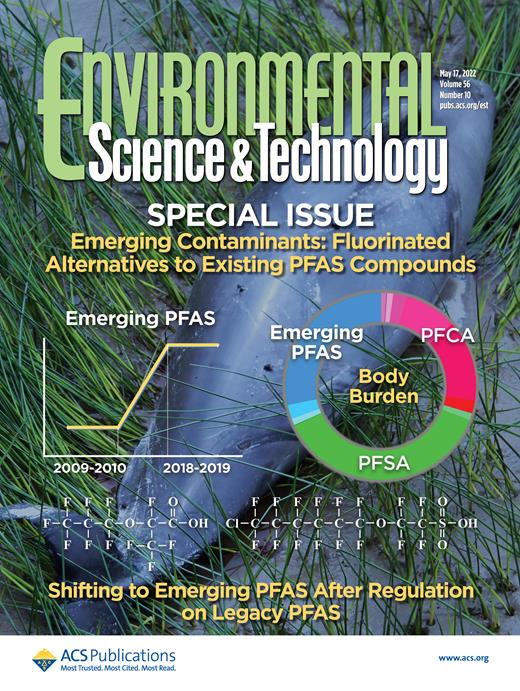
Abstract. Per- and polyfluoroalkyl substances (PFAS) are a class of substances for which there are widespread concerns about their extreme persistence in c
Addressing Urgent Questions for PFAS in the 21st Century
Abstract. Despite decades of research on per- and polyfluoroalkyl substances (PFAS), fundamental obstacles remain to addressing worldwide contamination by

Scientific Basis for Managing PFAS as a Chemical Class
Abstract This commentary presents a scientific basis for managing as one chemical class the thousands of chemicals known as PFAS (per- and polyfluoroalkyl substances). The class includes perfluoroalkyl acids, perfluoroalkylether acids, and their precursors; fluoropolymers and perfluoropolyethers; and other PFAS. The basis for the class approach is presented in relation to their physicochemical, environmental, and toxicological properties. Specifically, the high persistence, accumulation potential, and/or hazards (known and potential) of PFAS studied to date warrant treating all PFAS as a single class. Examples are provided of how some PFAS are being regulated and how some businesses are avoiding all PFAS in their products and purchasing decisions. We conclude with options for how governments and industry can apply the class-based approach, emphasizing the importance of eliminating non-essential uses of PFAS, and further developing safer alternatives and methods to remove existing PFAS from the environment.
Stability of Per- and Polyfluoroalkyl Substances in Solvents Relevant to Environmental and Toxicological Analysis
Abstract. Per- and polyfluoroalkyl substances (PFASs) are widely used anthropogenic chemicals. For environmental and toxicological analysis, it is importan
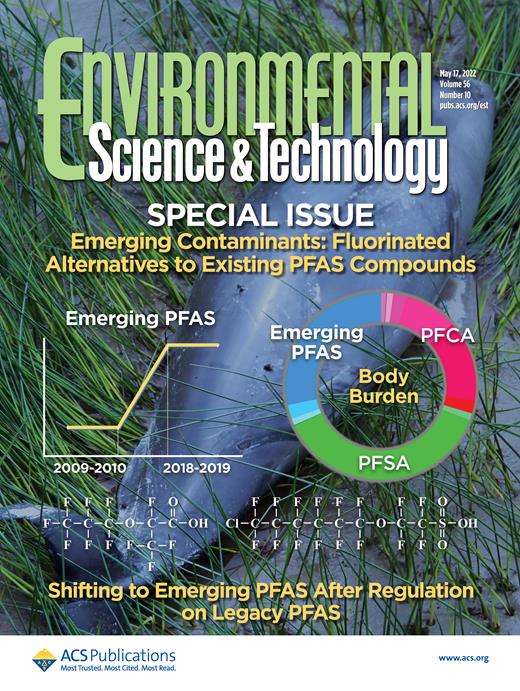
Perfluorinated Carbon Chain Length Drives Uptake of Diverse Per- and Polyfluoroalkyl Substances in Field-Deployed Passive Samplers
Abstract. Per- and polyfluoroalkyl substances (PFAS) are a group of compounds of high concern due to their ubiquity, persistence, and adverse health impact
Calibration of Perfluorinated Alkyl Acid Uptake Rates by a Tube Passive Sampler in Water
Abstract. Per- and polyfluoroalkyl substances (PFAS) are a group of 4000+ man-made compounds of great concern due to their environmental ubiquity and adver
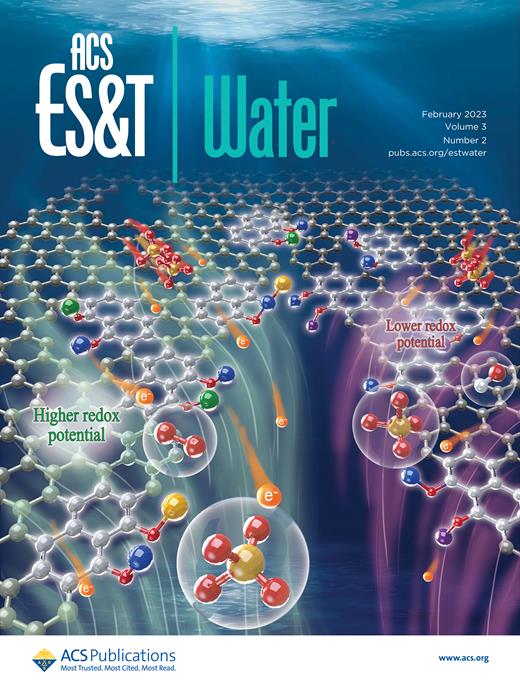
Furthering the Capabilities of Diffusive-Gradient Passive Samplers for Per- and Polyfluoroalkyl Substances
Abstract. Per- and polyfluoroalkyl substances (PFAS) are chemical pollutants of growing concern for many stakeholders. Due to their ubiquity, persistence i

Are Fluoropolymers Really of Low Concern for Human and Environmental Health and Separate from Other PFAS?
Abstract. Fluoropolymers are a group of polymers within the class of per- and polyfluoroalkyl substances (PFAS). The objective of this analysis is to evalu
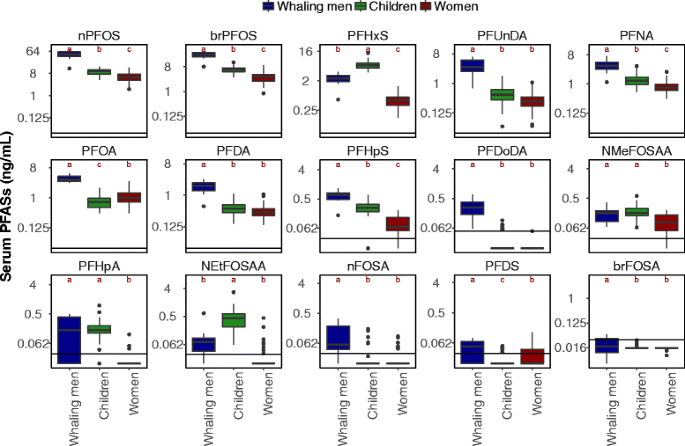
Occurrence of Major Perfluorinated Alkylate Substances in Human Blood and Target Organs
Abstract. Human exposure to perfluorinated alkylate substances (PFASs) is usually assessed from the concentrations in serum or plasma, assuming one-compart

Can profiles of poly- and Perfluoroalkyl substances (PFASs) in human serum provide information on major exposure sources?
Humans are exposed to poly- and perfluoroalkyl substances (PFASs) from diverse sources and this has been associated with negative health impacts. Advances in analytical methods have enabled routine detection of more than 15 PFASs in human sera, allowing better profiling of PFAS exposures. The composition of PFASs in human sera reflects the complexity of exposure sources but source identification can be confounded by differences in toxicokinetics affecting uptake, distribution, and elimination. Common PFASs, such as perfluorooctanoic acid (PFOA), perfluorooctane sulfonic acid (PFOS) and their precursors are ubiquitous in multiple exposure sources. However, their composition varies among sources, which may impact associated adverse health effects.
Unbound Fractions of PFAS in Human and Rodent Tissues: Rat Liver a Suitable Proxy for Evaluating Emerging PFAS?
Abstract. Adverse health effects associated with exposures to perfluoroalkyl and polyfluoroalkyl substances (PFAS) are a concern for public health and are

A Statistical Approach for Identifying Private Wells Susceptible to Perfluoroalkyl Substances (PFAS) Contamination
Abstract. Drinking water concentrations of per- and polyfluoroalkyl substances (PFAS) exceed provisional guidelines for millions of Americans. Data on priv

How Do We Measure Poly- and Perfluoroalkyl Substances (PFASs) at the Surface of Consumer Products?
Abstract. Exposures to poly- and perfluoroalkyl substances (PFASs) have been linked to metabolic disruption, immunotoxicity, and cancer in humans. PFASs ar

Binding of Per- and Polyfluoroalkyl Substances (PFAS) to Serum Proteins: Implications for Toxicokinetics in Humans
Abstract. Per- and polyfluoroalkyl substances (PFAS) are a diverse class of highly persistent anthropogenic chemicals that are detectable in the serum of m

Sociodemographic Factors Are Associated with the Abundance of PFAS Sources and Detection in U.S. Community Water Systems
Abstract. Drinking water contaminated by per- and polyfluoroalkyl substances (PFAS) is a widespread public health concern, and exposure–response relationsh

PFAS and Precursor Bioaccumulation in Freshwater Recreational Fish: Implications for Fish Advisories
Abstract. Per- and polyfluoroalkyl substances (PFAS) are a diverse class of fluorinated anthropogenic chemicals that include perfluoroalkyl acids (PFAA), w

Understanding Mechanisms of PFAS Absorption, Distribution, and Elimination Using a Physiologically Based Toxicokinetic Model
Abstract. Exposures to some per- and polyfluoroalkyl substances (PFAS), including perfluoroalkyl acids (PFAA), have been associated with diverse adverse he