


As the AI Task Force for Organization Science, we provide an early account of artificial intelligence’s (AI) impact on both submissions and reviews at a major academic journal. Submission volume ha...
AI’s Growing Role as Scientific Peer Reviewer | Stanford HAI
Stanford computer scientist James Zou is exploring how AI can accelerate scientific research and peer review. His finding: AI excels at spotting gaps, but judgment calls still need humans.

AI and the Future of Science

Guest Post — Now is the Time for AI in Peer Review, and Publishing Policies Need to Recognize This - The Scholarly Kitchen
Today's post asks us to acknowledge the role of AI in peer review and ensure practical guidance and policies that help scholars respond with consistency and confidence.

Major AI conference flooded with peer reviews written fully by AI
Nature - Controversy has erupted after 21% of manuscript reviews for an international AI conference were found to be generated by artificial intelligence.

Guest Post — Is Growth Always Good News? 2026 Article Submission Surges - The Scholarly Kitchen
ScholarOne saw a submission surge in the first quarter of 2026 — evidence that AI is increasing the strain on peer review's social contract with researchers.
Peer review is overwhelmed—can it survive in the AI era?
As research and AI-assisted papers surge, volunteer reviewers struggle to keep up.

AI, peer review and the human activity of science
When researchers cede their scientific judgement to machines, we lose something important.

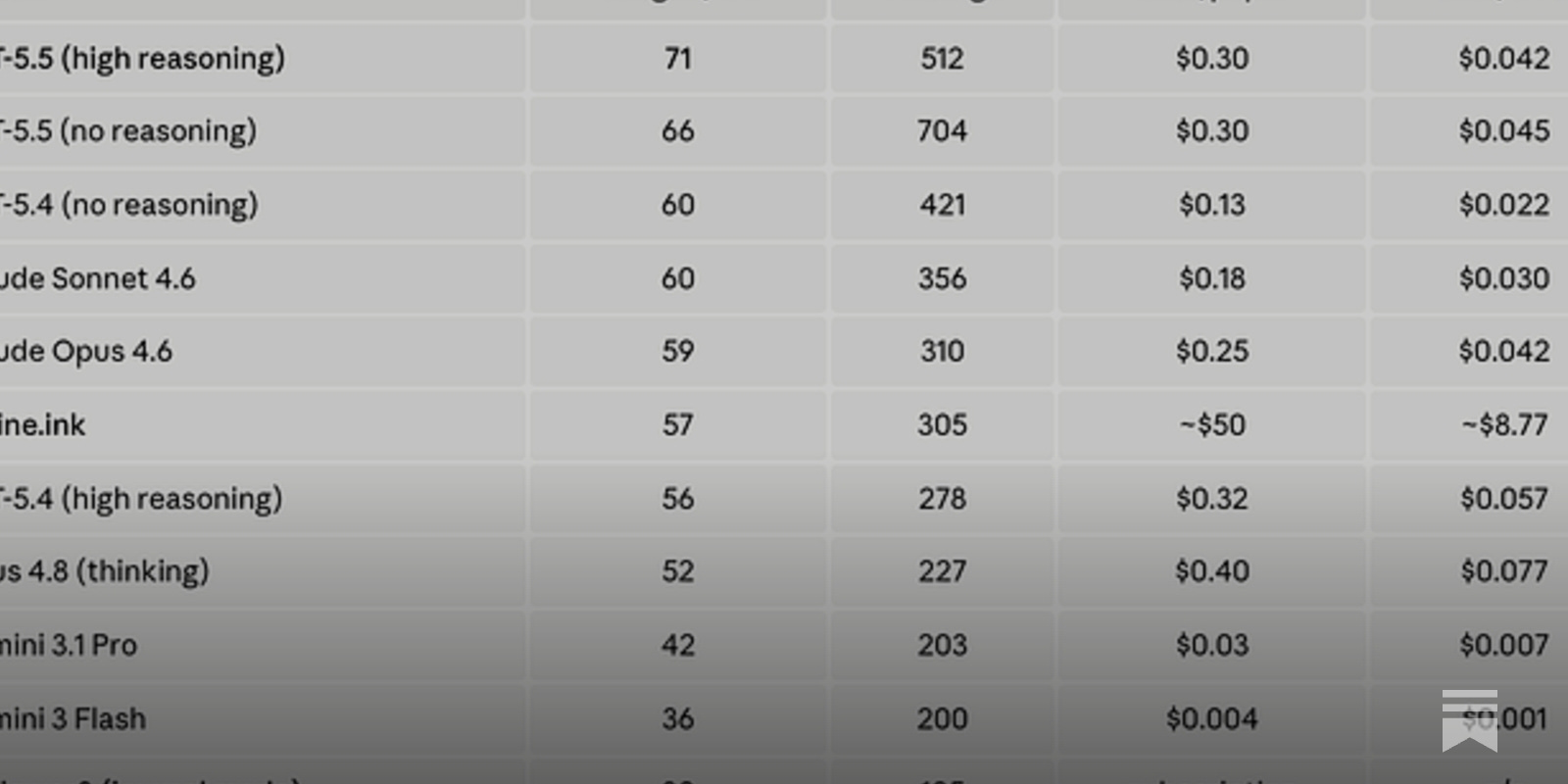
How to build an AI scientist: first peer-reviewed paper spills the secrets
AI Scientist, an autonomous research tool, first released in 2024, has now undergone peer review, highlighting its strengths and limitations.

No. 014: Science's AI productivity paradox, Sakana clears peer review, AI proof search on open Erdős problems - The Hallway Track
The Hallway Track No. 014 - How AI is affecting the practice of science
Exploring AI’s growing role in scientific peer review
Stanford computer scientist James Zou discusses AI’s strengths at spotting errors and limitations in judging research significance.

A New Paradigm for Scientific Publishing, Peer Review, and Impact Assessment
Scientific publishing and peer review have evolved little in three centuries, while the demands placed on them have grown profoundly. The growing role of artificial intelligence has underscored deep, systemic shortcomings of an aging system that has largely evaded innovation, a system whose origins are appallingly closer to the invention of the printing press than to the internet. We can do better – much better. This article is intended as the beginning of a communal experiment: a living document that critically reviews the modern academic publishing and peer-review system and presents a concrete framework to address what bibliometrics experts¹ have characterized as "the pervasive misapplication of indicators to the evaluation of scientific performance". Building on the Leiden Manifesto, DORA, and a body of scholarship spanning many disciplines and decades, we present a community-governed, non-profit platform organized around three trust-weighted impact factors, for articles, authors, and reviewers, with full algorithmic transparency, an open development log, and structural decoupling of credibility scoring from content moderation and from monetization. We invite the community to discuss, critique, and help shape it.
Improving the academic workflow: Introducing two AI agents for better figures and peer review
Jinsung Yoon, Research Scientist, and Tomas Pfister, Director, Google Cloud

Publish and Perish: How AI-Accelerated Writing Without...
Artificial intelligence tools are accelerating manuscript production far faster than peer review capacity can expand. Applying the theory of constraints from manufacturing science, we formalize...

"AI makes it cheaper to contribute to Open Source, but it's not making life easier for maintainers. More contributions are flowing in, but the burden of evaluating them still falls on the same small group of people. That asymmetric pressure risks breaking maintainers." also relevant to slop science
