

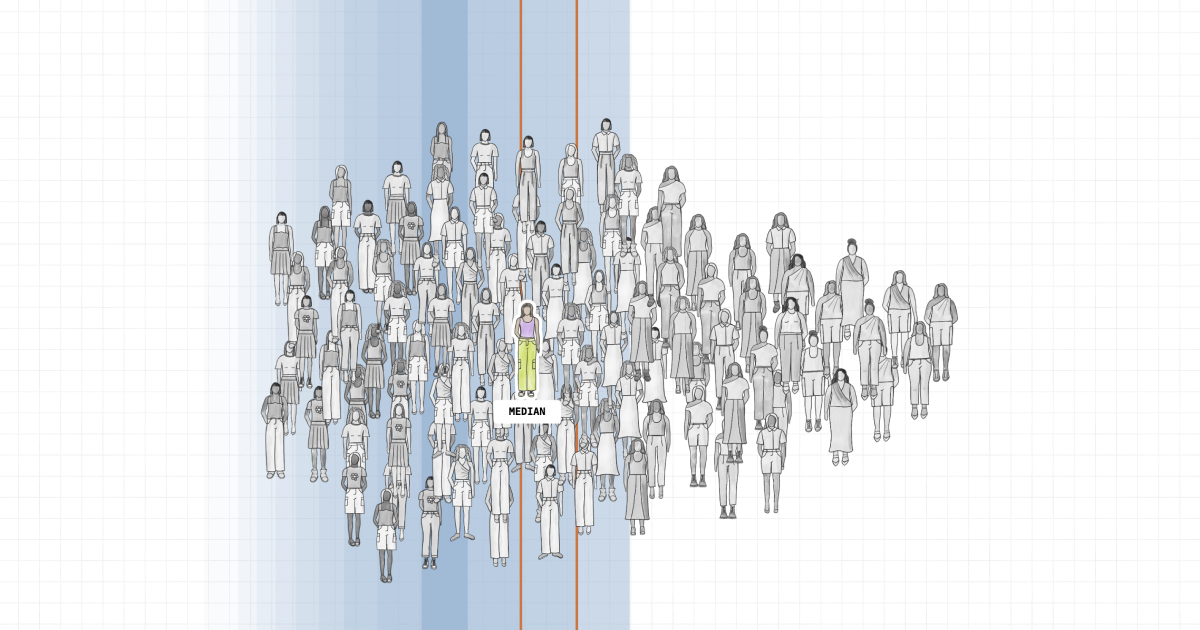
The inter-generational struggle to find clothes that fit more than a tiny portion of women
Advancing the Understanding of Phenotypic Mimicry in Men’s Conspicuous Consumption
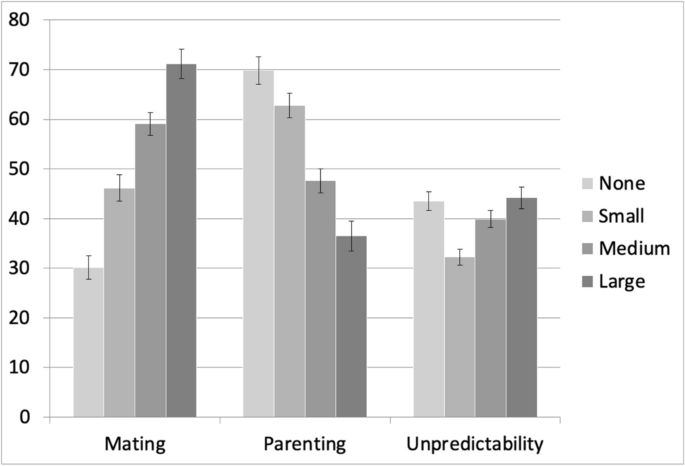
Two studies advance the understanding of phenotypic mimicry in consumer products. Product features mimicking more prominent male secondary sexual characteristics are associated with men’s behavioral strategies which are higher in mating effort and lower in paternal investment in offspring, in parallel with reproductive strategies across species and within the human population. The first study demonstrated a continuous relationship between the sizes of luxury brand logos and perceptions of the owners’ life histories. Two partial replications reproduced Study 1 results. Study 2 demonstrated that a manipulation of coloration, another fundamental dimension of variation in secondary sex characteristics, generates a similar pattern of results. In both studies, men owning shirts with more prominent sensory characteristics were believed to use authority and intimidation as strategies for advancing social status, whereas men owning shirts with less showy characteristics were believed to demonstrate useful abilities and foster cooperative alliances. Participants also recognized the strategic use of luxury display properties across social contexts.
Easy Floral Waistcoat - sewing patterns - Sew Magazine
By creating a Sewmag account and sharing your email, you're agreeing to our Privacy Policy. and Terms & Conditions
25 Must-see Costume Museums For A Fashion Enthusiast - SewGuide
If you are a fashion aficionado who is passionate about the costumes of the world, you are going to feel like Alice-in-her-wonderland after going through the

The History of Fashion Through The Decades - GLAM OBSERVER
Let’s delve into the fascinating history of fashion through the decades and explore the history from the 1900s until the present day.

Introduction to Market Sizing - MaRS Startup Toolkit
Explore our full library for topics and insights beyond the bundled categories.

Differences Between Tight and Loose Cultures: A 33-Nation Study
The differences across cultures in the enforcement of conformity may reflect their specific histories. , With data from 33 nations, we illustrate the differences between cultures that are tight (have many strong norms and a low tolerance of deviant behavior) versus loose (have weak social norms and a high tolerance of deviant behavior). Tightness-looseness is part of a complex, loosely integrated multilevel system that comprises distal ecological and historical threats (e.g., high population density, resource scarcity, a history of territorial conflict, and disease and environmental threats), broad versus narrow socialization in societal institutions (e.g., autocracy, media regulations), the strength of everyday recurring situations, and micro-level psychological affordances (e.g., prevention self-guides, high regulatory strength, need for structure). This research advances knowledge that can foster cross-cultural understanding in a world of increasing global interdependence and has implications for modeling cultural change.
“Women Don’t Need Rescuing”: Navigating the AI Gender Gap in an Industry That’s Obsessed | LBBOnline
Little Black Book, Is the AI gender gap a problem to be solved, a question of control or a strategic advantage? LBB’s Laura Swinton Gupta asks

Is AI ruining… fashion?
There are compelling reasons to believe that slop is no longer just limited to the internet. From AI design tools to trend scraping and fast fashion… This video makes a compelling argument that AI plays a role in why so few fashion brands have unique identities anymore. [Media: https://www.youtube.com/watch?v=MaxXspZQYkc]

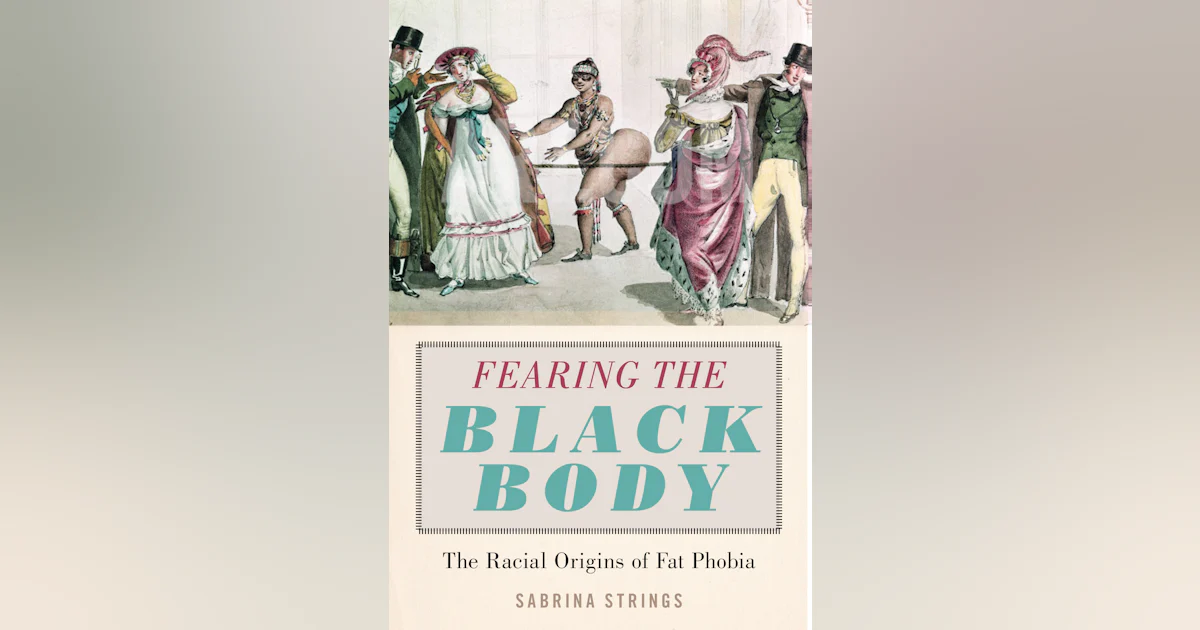
Fearing the Black Body
Winner, 2020 Body and Embodiment Best Publication Award, given by the American Sociological AssociationHonorable Mention, 2020 Sociology of Sex and Gender Di...
Taking a look at looksmaxxing — and what parents should know
The trend among boys and young men of optimizing their physical appearance includes dangerous practices. Experts offer advice on how to talk to their sons about body image and healthy behaviors.

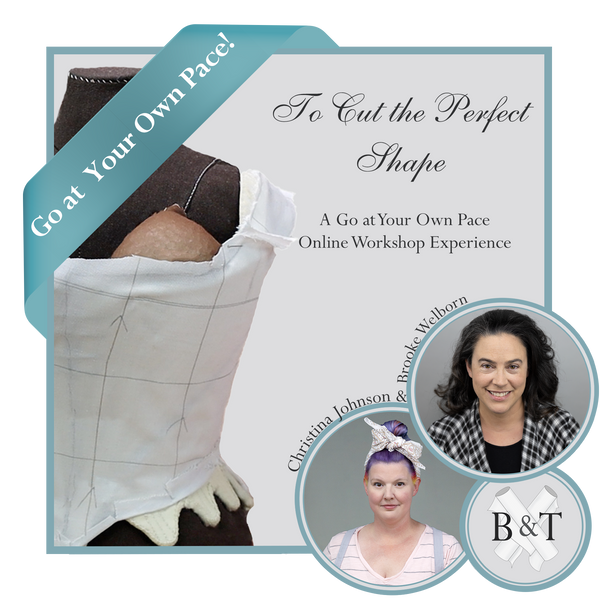
Go at Your Own Pace! - “To Cut the Perfect Shape: The fundamentals of cutting and fitting to the figure
with Brooke Welborn & Christina Johnson Eighteenth century mantua-makers produced most women's fitted gowns and jackets by cutting and fitting to the body. One method used in the period was to cut a lining to the figure which could then be used to inform the shape of the desired gown. In this workshop participants will: Learn the foundational principles of cutting to the figure. Practice the process of cutting and fitting shapes on their half sized mannequin (in stays) to deepen their understanding of how to think like a mantua-maker. Focus on English and English Colonial construction based on extant documents with a British or Early American provenance. Complete five pre-recorded units of study during the 6 months course access is available. Introduction & Prepatory Homework - available immediately Unit 1 - Open Front (Backs and Fronts) Unit 2 - Closed Front (Backs and Fronts) Unit 3
You can't "masculinity" your way out of oppression
Who wants to be in the Denim community? | FeverBee
In this post we look at why a traditional community just isn’t suited to most companies. But elements of the community can be used in many different ways to drive positive outcomes.
GLITCHWEAR
Experience the future of fashion with woven glitch sweaters – where traditional craftsmanship meets digital disruption, creating a mesmerizing blend of art and innovation that challenges the very fabric of style.

OK OK I will share my Sources with you ladies who really need decent clothes and are, like me, really annoyed by this. A thread. 🧵

It's ME(Jaime)
Oh, bad news for women who need professional clothes: forbes.com/sites/claraludmir/2026/05/18/…
OK OK I will share my Sources with you ladies who really need decent clothes and are, like me, really annoyed by this. A thread. 🧵
It's ME(Jaime)
Oh, bad news for women who need professional clothes: forbes.com/sites/claraludmir/2026/05/18/…