

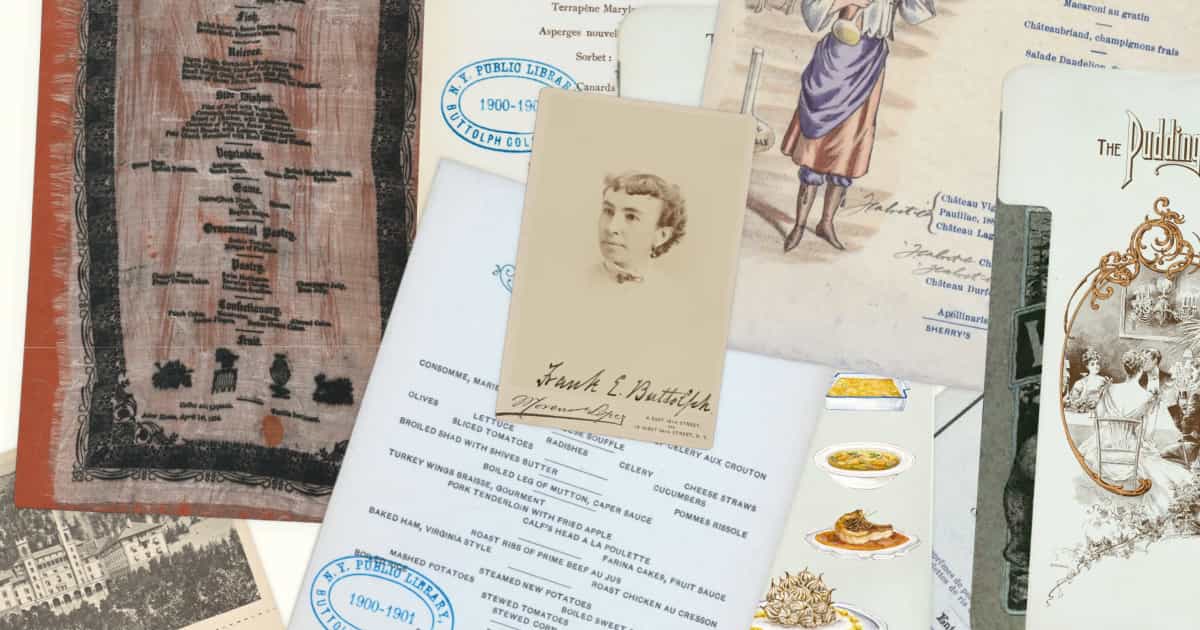
What do America’s earliest restaurant menus teach us about America?
History of Restaurant and Its Significance in Song Dynasty
What was so special about restaurants in Song Dynasty?

Plates · Your menu, everywhere
Publish your restaurant's menu once, as structured data you own. Plates gives it a beautiful page, and the open network carries it everywhere else.

The McDonaldization of Taste | KQED
Which came first, the Big Mac or a consumer culture built on the need for immediate gratification in super sizes? In How We Eat: Appetite, Culture, and Psychology of Food, Leon Rappoport unveils social, psychological, spiritual, and political motivations for eating behavior. He initially became interested in the topic when he was learning the practices
The McDonaldization of Society
The McDonaldization of Society was first proposed by sociologist George Ritzer in an article for The Journal of American Culture and expanded in his 1993 book of the same name. Ritzer suggests that in the later part of the 20th century the socially-structured form of the fast-food restaurant has become the organizational force representing and extending the process of rationalization into the realm of everyday interaction and individual identity. McDonald's of the 1990s serves as the case model. The book introduced the term McDonaldization to learned discourse as a way to describe a social process which produces "mind-numbing sameness", according to a 2002 review of a related academic text.

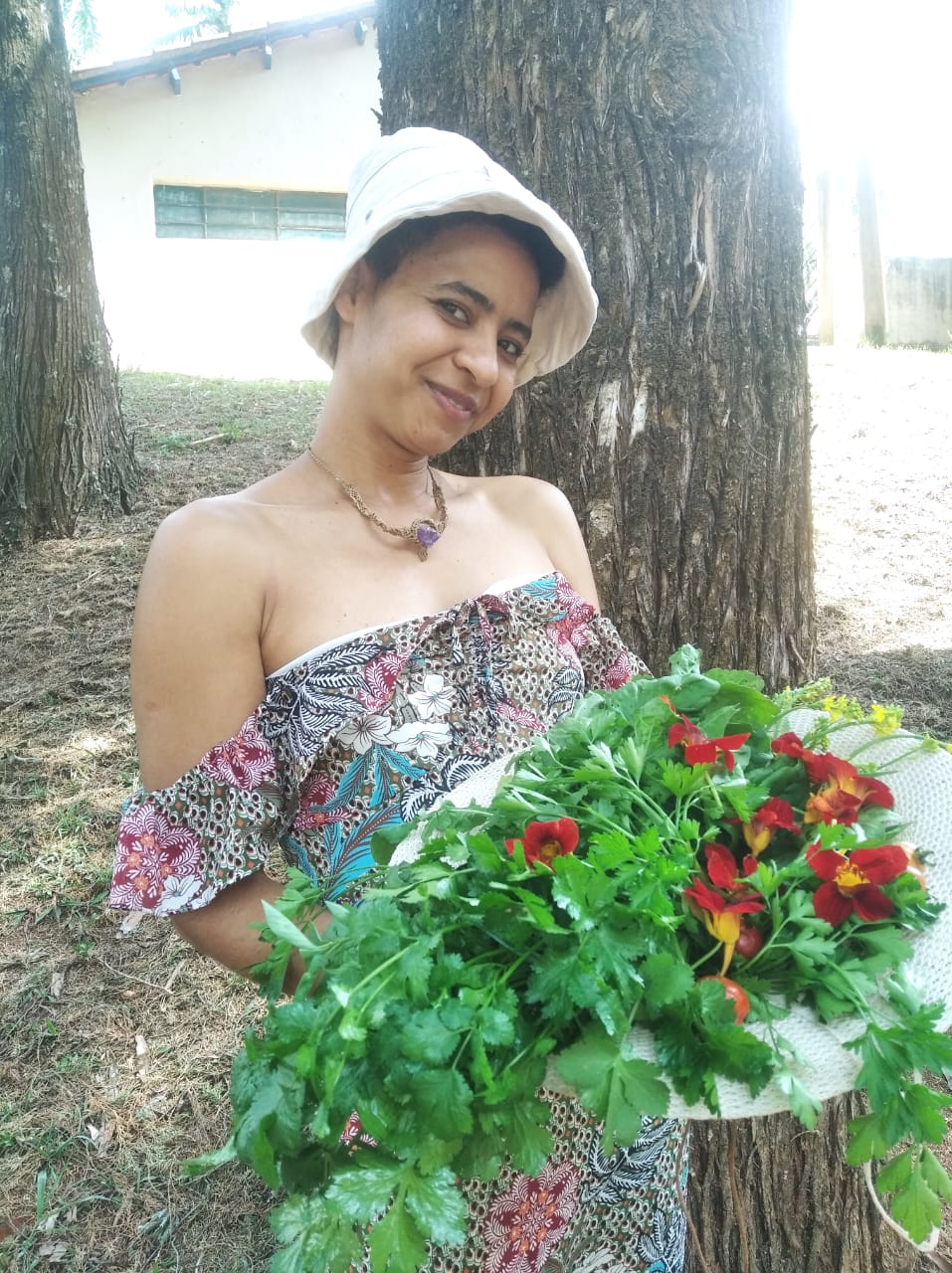
Living Museum of Food: Stories, Recipes, and Culinary Heritage from Traditional Communities
[PT-BR FOLLOWS] Introduction Back when city streets were paved with cobblestones, public telephones stood on street corners, and many neighborhoods were still unpaved, life followed a different rhy…
America, América: a new history of the New World
"The story of how the United States' identity was formed is almost invariably told by looking east to Europe. But as Greg Grandin vividly demonstrates, the nation's unique sense of itself was in fact forged facing south-no less than Latin America's was indelibly stamped by the looming colossus to the north. In this stunningly original reinterpretation of the New World Grandin reveals how North and South emerged from a constant, turbulent engagement with each other. America, América traverses half a millennium, from the Spanish Conquest-the greatest mortality event in human history-through the eighteenth-century wars for independence, the Monroe Doctrine, the coups and revolutions of the twentieth century, and beyond. Grandin shows, among other things, how royalist Spanish America, by sending troops and supplies, helped save the republican American Revolution; how in response to U.S. interventions, Latin Americans remade the rules, leading directly to the founding of the United Nations; and how the Good Neighbor Policy allowed FDR to assume the moral authority to lead the fight against world fascism. Grandin's book sheds new light on well-known historical figures like Bartolomé de las Casas, Simón Bolívar, and Woodrow Wilson, as well as lesser-known actors such as the Venezuelan Francisco de Miranda, who almost lost his head in the French Revolution and conspired with Alexander Hamilton to free America from Spain; the Colombian Jorge Gaitán, whose unsolved murder inaugurated the rise of Cold War political terror, death squads, and disappearances; and the radical journalist Ernest Gruening, who in championing non-interventionism in Latin America, helped broker the most spectacularly successful policy reversal in United State history. This is a monumental work of scholarship that will fundamentally change the way we think of slavery and racism, the rise of universal humanism, and the role of social democracy in staving off extremism. At once comprehensive and accessible, America, América shows that centuries of bloodshed and diplomacy not only helped shape the political identities of the United States and Latin America but also the laws, institutions, and ideals that govern the modern world. A culmination of a decades-long engagement with hemispheric history, drawing on a vast array of sources, and told with authority and flair, this is a genuinely new history of the New World"-- Provided by publisher

Family Style — Oakland Public Library
Family Style — Pham, Thien, — "Told through the lens of meaningful food and meals, this graphic novel chronicles the author's childhood immigration to America, where food takes on new meaning as he and his family search for belonging, for happiness and for the American dream."--
The Sifter - A Food History Research Tool
The Sifter is a public database, free to all users. It is a tool for finding and comparing historical and contemporary writing on food and food-related topics. It is overseen by an advisory board composed of members from The Oxford Symposium on Food and Cookery as well as other friends of food history. As with Wikipedia, the Sifter will be populated by its users. All entries will have an English translation, enabling users to search languages they cannot read. Soon, we will have over 100 languages represented. Registered users will be able to make corrections and add new information. Future releases will include a data visualization component. We also plan to include more resources linking to digitized photographs, artworks, television and film. With the aid of this tool, it is our hope that what has been invisible will come into focus.
19th century | Fashion History Timeline
For a brief overview, see the V&A's "Introduction to 19th-Century Fashion" and "History of Fashion, 1840-1900."
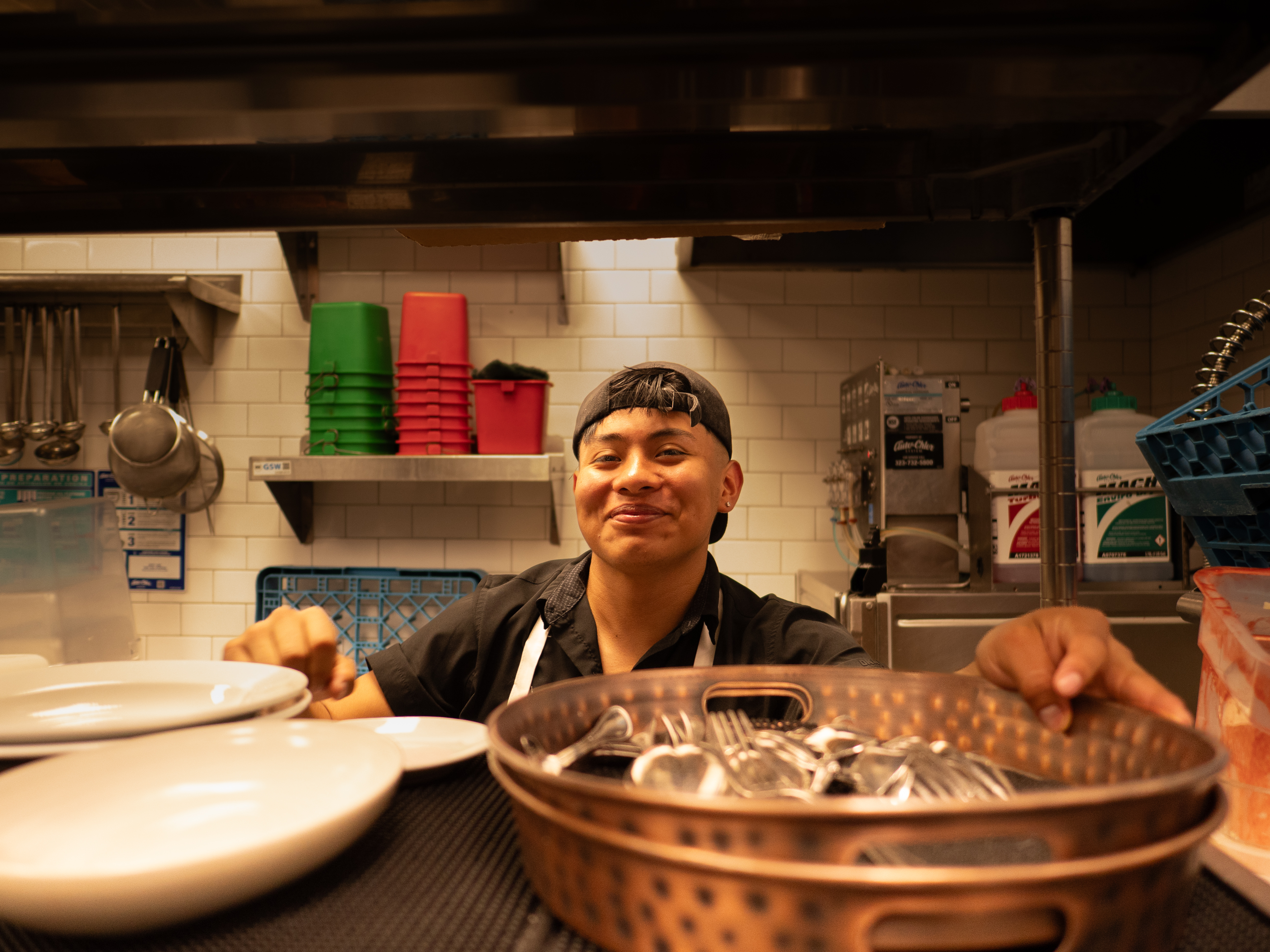
These Nine L.A. Dishwashers Are the Real Heroes of Your Favorite Restaurants ~ L.A. TACO
Anthony Bourdain said it best: "Everything important I ever learned, I learned as a dishwasher and as a cook." These are just a handful of the places restaurants' MVPs eat and drink at around Los Angeles.
Cheeseburger Database
A community-built record of the world's cheeseburgers. Posted to Bluesky, indexed here. No endless scrolling. No ads.


Fermenting Culture – Emergence Magazine
In this in-depth interview, David Zilber, director of the fermentation lab at Noma—named the best restaurant in the world—discusses how food is culture, but fermentation is culture on a deeper level.

Never thought about it this way lol. But it makes so much sense, it's literally food.

Darrell Owens
But in reality you're losing lots of money; you're not saving more than 30 mins at best and TBH your brain will fill that procrastination with something else. There are times when delivery apps make sense but the benefit is far more psychological. I press button = Food. Its powerful.
