

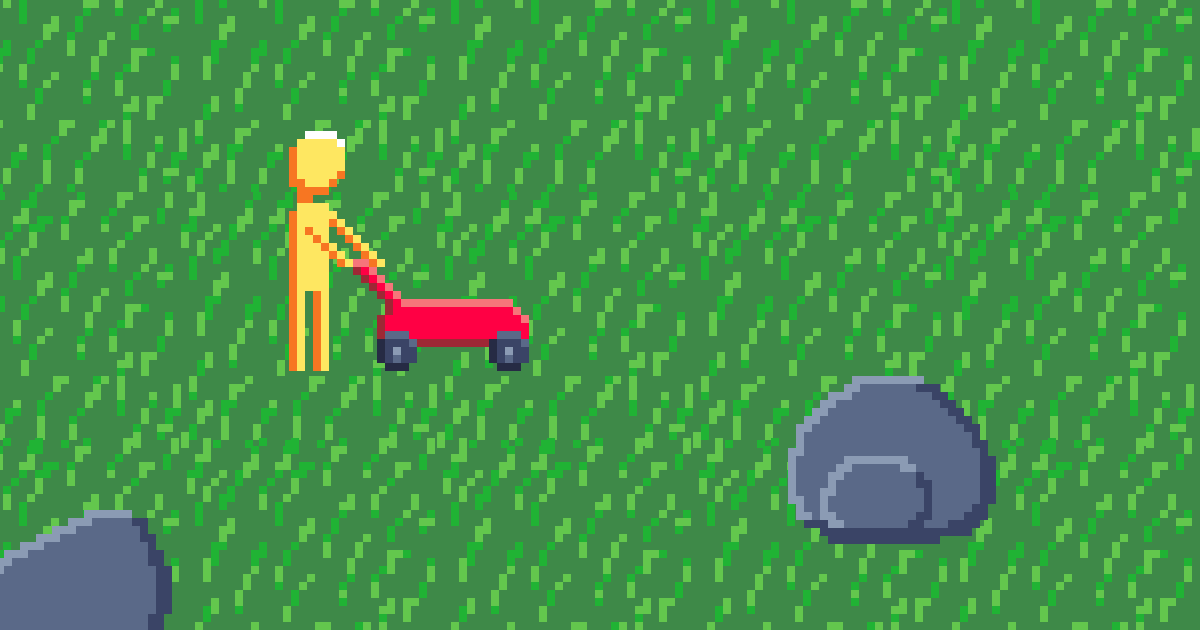
We analyzed 132,003 attempts to mow a virtual lawn efficiently.
The Optimization Trap: Why Too Much Efficiency Makes Us Fragile with Olivier Hamant
Seeking a $54 billion arsenal of killer drones, Pentagon turns to former hobbyists
A company that uses drones to analyze golf course grass. Another linked to a firm that hosts aerial light shows. And one founded by a 23-year-old former drone racing world champion. Any of them, the P...
With So Few Farmers, Why Are Video Games About Farming So Popular?
An archaeologist considers what farming simulators reveal about humanity’s ancient and evolving relationship with agriculture.

The Distribution of Users’ Computer Skills: Worse Than You Think
Across 33 rich countries, only 5% of the population has high computer-related abilities, and only a third of people can complete medium-complexity tasks.
Avoiding Digital Productivity Traps - Cal Newport
Last week in this newsletter, I summarized some interesting results from a study that analyzed the behavior of 164,000 knowledge workers. It found that introducing ... Read more

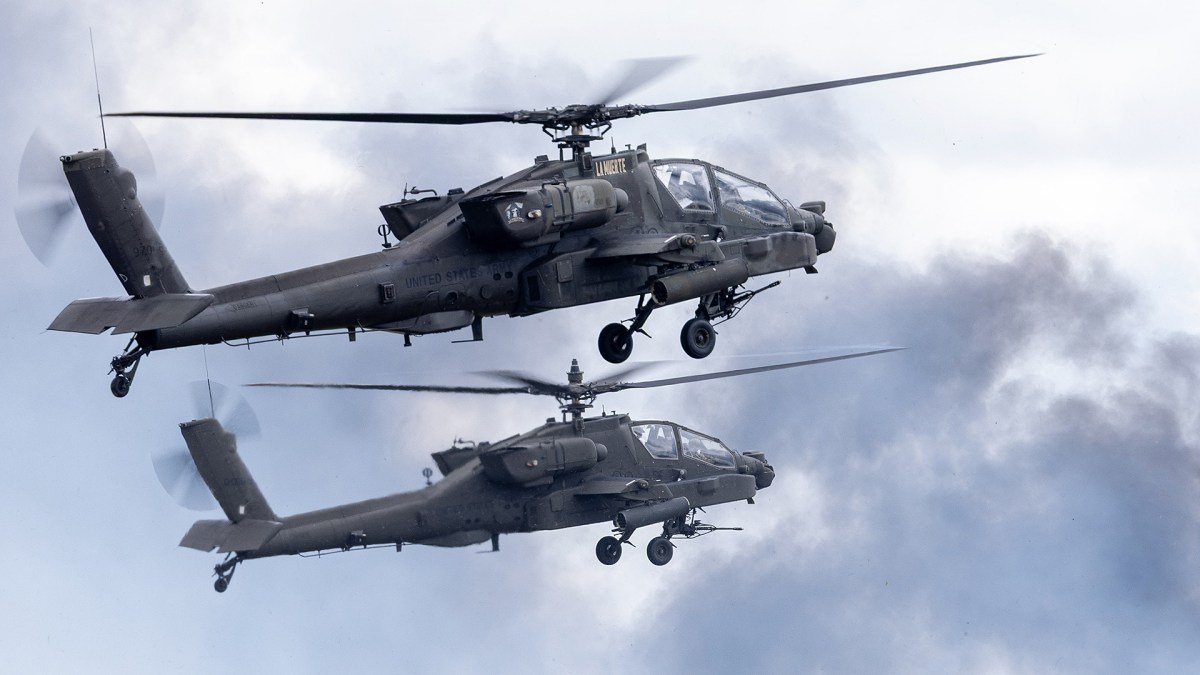
U.S. Army AH-64E Apache's Counter-Drone Capability Rapidly Matures
Apaches scored 13 drone kills out of 14 engagements during Operation Flyswatter, reflecting the AH-64’s evolving counter-UAS capabilities. Apaches scored 13 drone kills out of 14 engagements during Operation Flyswatter, reflecting the AH-64’s evolving counter-UAS capabilities.
Volkswagen put 100 sheep to work under 31,000 solar panels
A Volkswagen factory in Poland is using 100 sheep to maintain its solar farm, cutting mowing while boosting biodiversity and research.

But Let Us Cultivate Our Garden - The Millions
My garden had also been a way to make some order from chaos, find some grace through growth and change, and create an enthusiasm of my own.

Mote: An Interactive Ecosystem Simulation — Peter Whidden
How turning front gardens into driveways has added to night-time heat
There’s a growing trend to pave over front gardens.

The Winning Variant
A/B testing, algorithmic optimization, and the small act of ignoring both — and what it means to make something by hand when a number can tell you what would have worked better.

The efficiency-gain illusion: People underestimate the rate of AI use and overestimate its benefits on simple tasks
People are increasingly turning to AI assistance for simple tasks, e.g., arithmetic, spell-check, and answering simple questions. But does AI assistance actually save users time and effort? We investigate people's propensity to use AI for cognitively simple tasks and assess whether their reliance is well-calibrated. Across three pre-registered user studies (N = 2691), we find that people frequently choose to use AI even when doing so is inefficient (i.e. provides no meaningful time or effort savings). We identify systematic miscalibration at two levels: (1) a self-estimate miscalibration where people on average believe that they are using AI less than they actually are, and (2) efficiency-gain illusions where people overestimate how much time and effort savings AI use affords. We also identify a session-level carryover effect where a participant's prior AI use leads to further AI adoption and entrenches their miscalibration about time savings. Our results shed light on the mechanisms and biases underlying people's choice of whether to use AI as well as the risk of an overreliance feedback loop.

Silicon Valley über alles
Every day, computers are making people easier to use

Okay one more thought on moravec's paradox: - we (well, i) always say its harder to build a robot plumber than cider - what if that's not true? What if physical stuff really is easy and we just didn't have the data on hardware to do it?

Chris Paxton
Ant Group trained a robot vision-language-action model on 20,000 hours of robot data.
Digital gardening

Digital gardens in theory and practice
oleeskild/obsidian-digital-garden
Tranquil PDS
Garden and the Stream - thoughts
Digital Gardens (by owais) — Semble
digital gardens (by treethought) — Semble