


A major part of our mission as a company is to empower people. So naturally, at Qbix, we give a lot of thought to the best ways of doing that. This post describes a compensation model that we have designed, which clearly rewards people for their contributions, and actually drives everyone to compete
Collaborative Causal Inference with Fair Incentives
Collaborative causal inference (CCI) aims to improve the estimation of the causal effect of treatment variables by utilizing data aggregated from multiple self-interested parties. Since their source data are valuable proprietary assets that can be costly or tedious to obtain, every party has to be incentivized to be willing to contribute to the collaboration, such as with a guaranteed fair and sufficiently valuable reward (than performing causal inference on its own). This paper presents a reward scheme designed using the unique statistical properties that are required by causal inference to guarantee certain desirable incentive criteria (e.g., fairness, benefit) for the parties based on their contributions. To achieve this, we propose a data valuation function to value parties’ data for CCI based on the distributional closeness of its resulting treatment effect estimate to that utilizing the aggregated data from all parties. Then, we show how to value the parties’ rewards fairly based on a modified variant of the Shapley value arising from our proposed data valuation for CCI. Finally, the Shapley fair rewards to the parties are realized in the form of improved, stochastically perturbed treatment effect estimates. We empirically demonstrate the effectiveness of our reward scheme using simulated and real-world datasets.
AI, Pluralism, and (Social) Compensation
One strategy in response to pluralistic values in a user population is to personalize an AI system: if the AI can adapt to the specific values of each individual, then we can potentially avoid many of the challenges of pluralism. Unfortunately, this approach creates a significant ethical issue: if there is an external measure of success for the human-AI team, then the adaptive AI system may develop strategies (sometimes deceptive) to compensate for its human teammate. This phenomenon can be viewed as a form of social compensation, where the AI makes decisions based not on predefined goals but on its human partner's deficiencies in relation to the team's performance objectives. We provide a practical ethical analysis of the conditions in which such compensation may nonetheless be justifiable.


Reasonable
A straightforward funding mechanism that rewards innovators and risk-takers while remaining sensitive to the social impact of new…

The Effects of Financial Incentives in Experiments: A Review and Capital-Labor-Production Framework
We review 74 experiments with no, low, or high performance-based financial incentives. The modal result has no effect on mean performance (though variance is usually reduced by higher payment). Higher incentive does improve performance often, typically judgment tasks that are responsive to better effort. Incentives also reduce “presentation” effects (e.g., generosity and risk-seeking). Incentive effects are comparable to effects of other variables, particularly “cognitive capital” and task “production” demands, and interact with those variables, so a narrow-minded focus on incentives alone is misguided. We also note that no replicated study has made rationality violations disappear purely by raising incentives.

How to Hire
Most companies approach hiring with faulty assumptions and poor practices. They believe talent is fixed rather than contextual. They fail to create real partnerships between internal recruiters and hiring managers. And they rely too much on salary surveys and rigid compensation formulas. The author shares what she learned about making and keeping great hires during her 14 years as the chief talent officer at Netflix. The process requires probing beneath the surface of people and their résumés; engaging managers in every aspect of hiring; ensuring that recruiters deeply understand the business and are not viewed as support staff; adopting a mindset in which you’re always recruiting; and coming up with compensation that suits the performance you need and the future you aspire to. These lessons may be especially relevant to fast-growing tech-based firms, whose rapid innovation means a continual need for new talent. But organizations of all types can benefit from taking a fresh look at their hiring and compensation practices.

Influence without authority — Gabriel Valdivia
Some of the most influential designers I’ve worked with had no direct reports. They didn't spend their days assigning work, running performance reviews, or deciding who got promoted. Yet they could change the direction of a project, raise the quality bar of a team, and sometimes change the strategy for the entire company. Individual contributors can develop influence by giving people reasons to trust their judgment, then finding ways for that judgment to travel beyond the things they personally make.
Monetary incentives, what are they good for?
This paper is a critical reflection on the use of monetary incentives in economic experiments. The argument is that incentives have their effect through their influence on one or more of three fact...

Lunar Logic Blog | Open Salaries: Outcomes (Looking back after 20 months)
What happens when you give employees control of their own salaries? A lot of great things, actually.
The Importance of Validation and Decay In Community Reputation Metrics
When measuring contributions in your community, here are some essential recommendations for building fairness, retention, and growth.

MeritRank: Sybil Tolerant Reputation for Merit-based Tokenomics*
Decentralized reputation systems are emerging as promising mechanisms to enhance the effectiveness of token-based economies. Unlike traditional monetary incentives, these systems reward participants based on the actual value of their contributions to the network. However, the advantages and challenges associated with such systems remain largely unexplored. In this work, we investigate the inherent trade-offs in designing a decentralized reputation system that is simultaneously generalizable, trustless, and Sybil-resistant. Specifically, “generalizable” means that the system can assess various types of contributions across different contexts, “trustless” indicates that it functions without the need for a central authority to oversee reputations, and “Sybil-resistant” refers to its ability to withstand manipulations by fake identities, i.e., Sybil attacks.
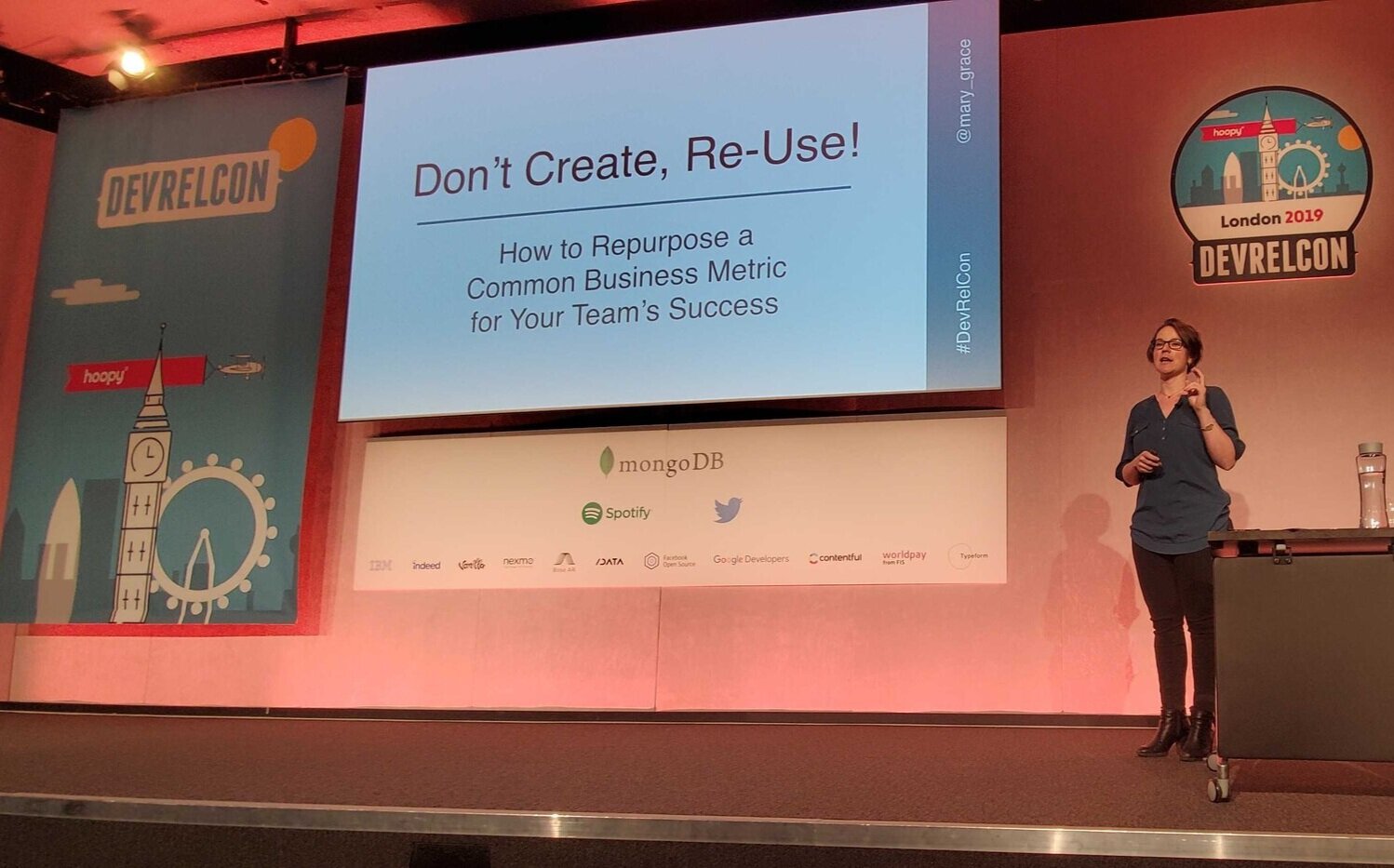
DevRel Qualified Leads: Repurposing a Common Business Metrics to Prove Value — Mary Thengvall - Community Builder
What if Developer Relations professionals are the best equipped to deliver on a company’s most important metric? In this post, I present the idea of DevRel Qualified Leads. By expanding the definition of a qualified lead, you’ll be able to use your relationship-building skills to prove your team’s b
Why Must You Pay Sales People Commissions? | Andreessen Horowitz
“I’d be a billionaire if I could get a dollar for all the bullshit I hear today” –Big Sean, The One I felt a little odd writing that title. It’s a little like asking “Why should you give engineers big monitors?” If you have to ask the question, then you probably won’t understand the answer....

David Graeber: "Spotlight on the financial sector did make apparent just how bizarrely skewed our economy is in terms of who gets rewarded"
David Graeber explains why the more your job helps others, the less you get paid

“Pricing Profitable Projects,” an article by Dan Mall
Make it work for them and you—in that order.

novel funding mechanisms

funding models that doesn't depend on VC. funding models that keep things accessible and open but yet provide enough incentive for people to pay
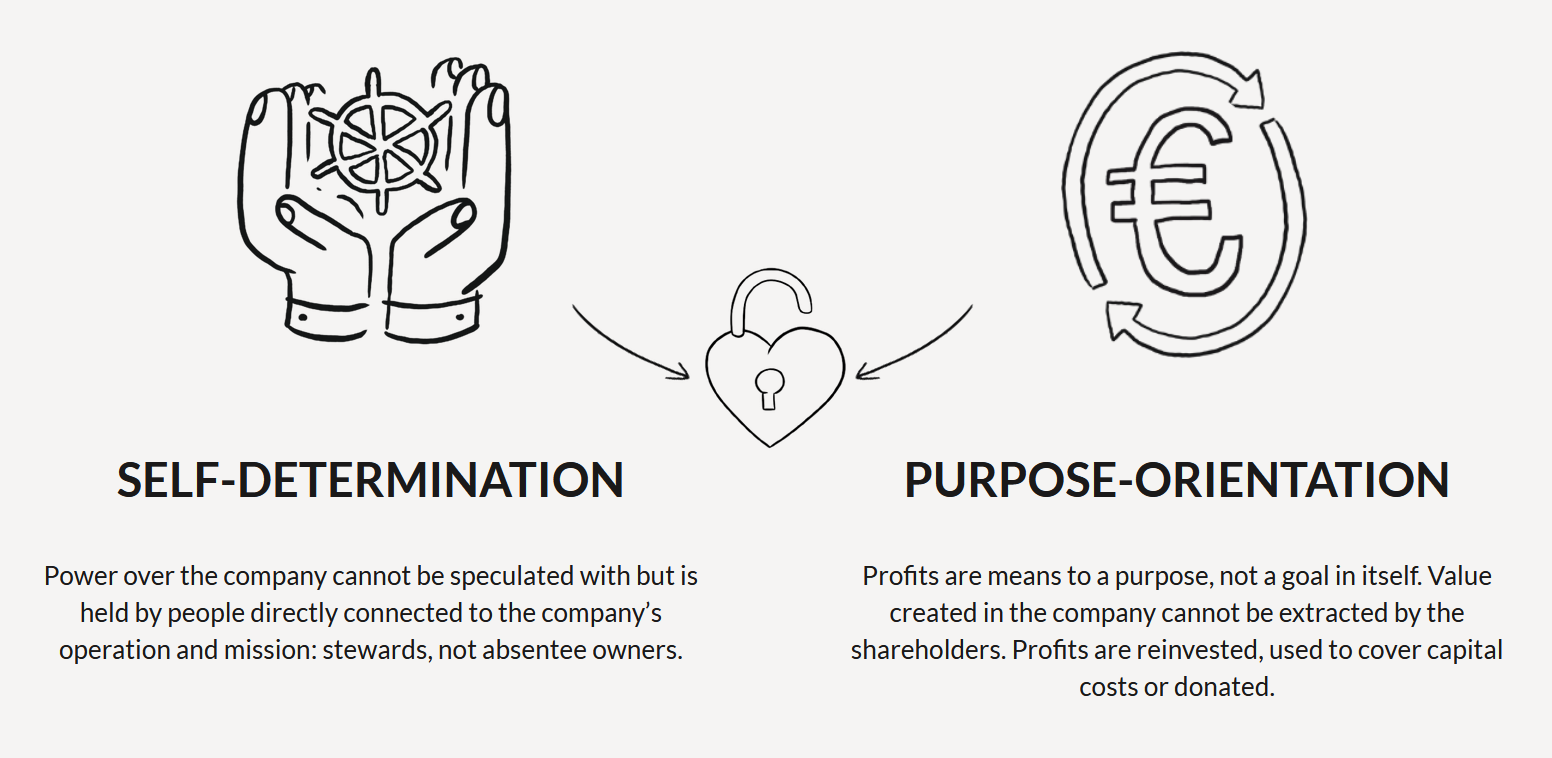
Company as a Commons

x402
Let's Talk Money - Interlinked

Home | Sovereign Tech Agency

The future is low-tech: lessons from the early 2000s ft. Jésabel DC | Config 2026
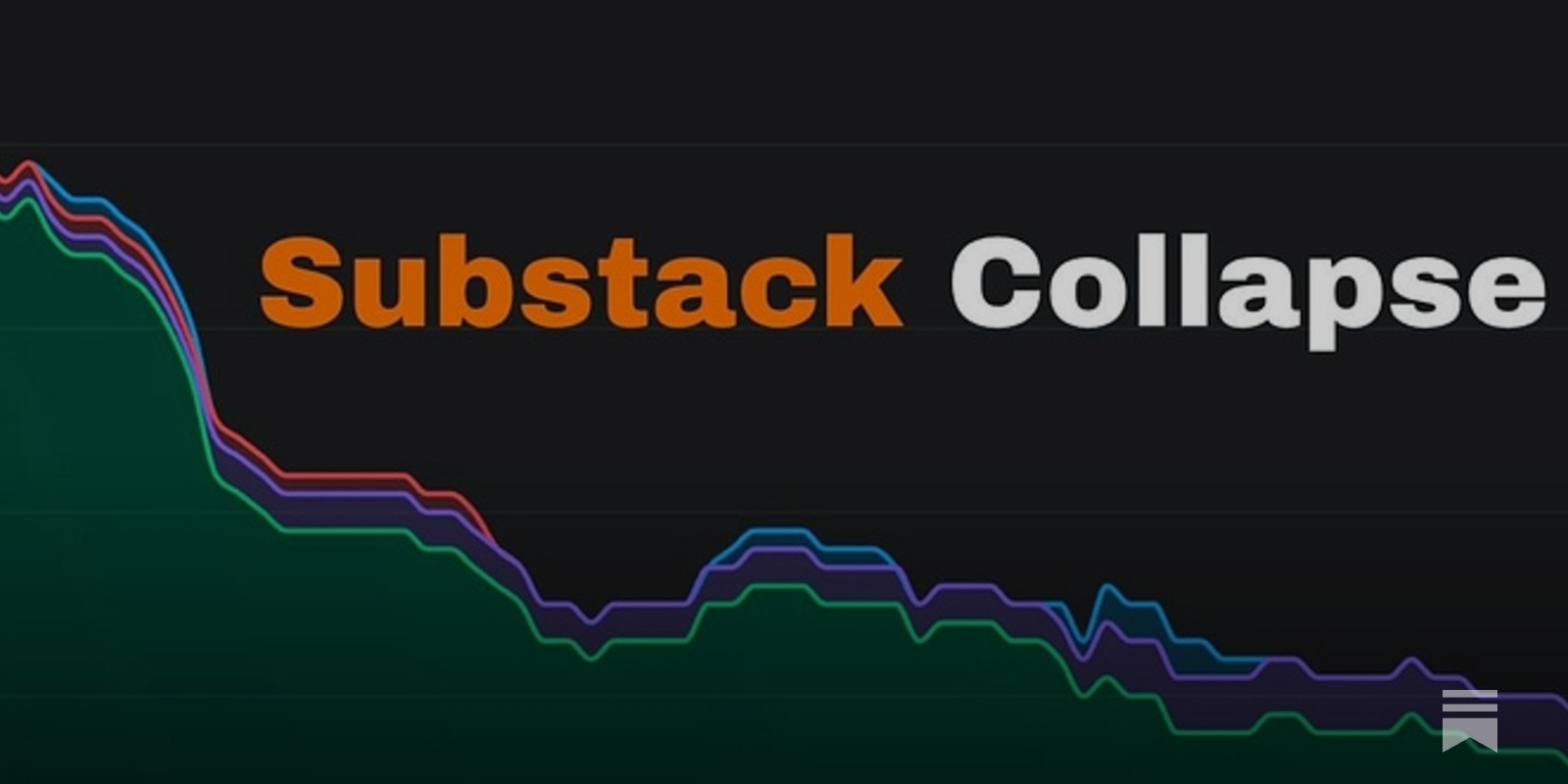
The Real Reason that Substack is Collapsing