


In the wake of the recent Meltdown and Spectre vulnerabilities, it’s worth spending some time looking at root causes. Both of these vulnerabilities involved processors speculatively executing instructions past some kind of access check and allowing the attacker to observe the results via a side channel. The features that led to these vulnerabilities, along with several others, were added to let C programmers continue to believe they were programming in a low-level language, when this hasn’t been the case for decades.
C Is Not a Low-level Language: Your computer is not a fast PDP-11.: Queue: Vol 16, No 2
In the wake of the recent Meltdown and Spectre vulnerabilities, it’s worth spending some time looking at root causes. Both of these vulnerabilities involved processors speculatively executing instructions past some kind of access check and allowing the ...
The cost of forsaking C
The C programming language is not trendy. The most recent edition of the canonical C text (the excitingly named The C Programming Language)…
C Isn't A Programming Language Anymore - Faultlore
Phantomderp and I have both recently been very aligned on a particular subject: being extremely angry about C ABIs and trying to fix them. Where we’re not aligned is why we’re mad about them.

Modular: The Claude C Compiler: What It Reveals About the Future of Software
Compilers occupy a special place in computer science. They're a canonical course in computer science education. Building one is a rite of passage. It forces you to confront how software actually works, by examining languages, abstractions, hardware, and the boundary between human intent and machine execution.

Reflections on 30 Years of HPC Programming: So many hardware advances, so little adoption of new languages
This summary of Brad’s HIPS 2025 keynote looks at how HPC programming has (and has not) changed over the past 30 years
The Story of C++: The World's Most Consequential Programming Language | The Official Story
Learn C the Hard Way
Learn C The Hard Way (LCTHW) is a practical book teaching real world useful C using the same proven Learn The Hard Way method. LCTHW teaches real robust C coding and defensive programming tactics on real hardware rather than abstract machines and pedantic theory. The book emphasizes breaking your code on purpose, and in the process teaches a plethora of important topics like data structures, algorithms, and automated testing. If you've wanted to become a better programmer then you need this book.
Roc on Twitter / X
New syntax, new compiler, new Roc ✨Watch the full talk on where the language is today and where we’re going:https://t.co/FltMYr1YiR— Roc (@roc_lang) November 25, 2025
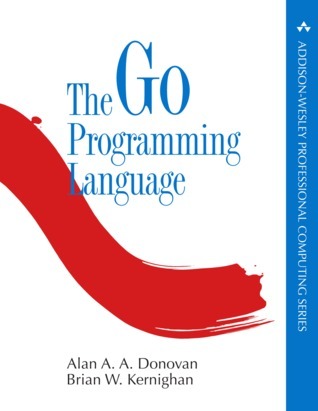
The Go programming language
Go may be our generation's most important new programming language. It is exceptionally expressive, highly efficient in both compilation and execution, and enables the development of extremely reliable and robust programs. It shares the same spirit programmers once found in C: it helps serious professional programmers achieve maximum effect with minimum means. Now, Go shares something else with C, too. Brian Kernighan, who wrote the world's most respected and useful C primer for working programmers, has just done the same for Go. Together with Google Go insider Alan Donovan, Kernighan explains what Go does and doesn't borrow from C ... the great ideas it borrows from other modern languages ... and how it avoids features that lead to unnecessary complexity and unreliable code. Throughout, their short, carefully-crafted code examples demonstrate today's most effective Go idioms, so you can start using Go effectively right from the beginning, and quickly take advantage of its full power. All code has been extensively reviewed by Go's creators at Google for both completeness and accuracy
using C++ to exploit the C++ that is building the C++
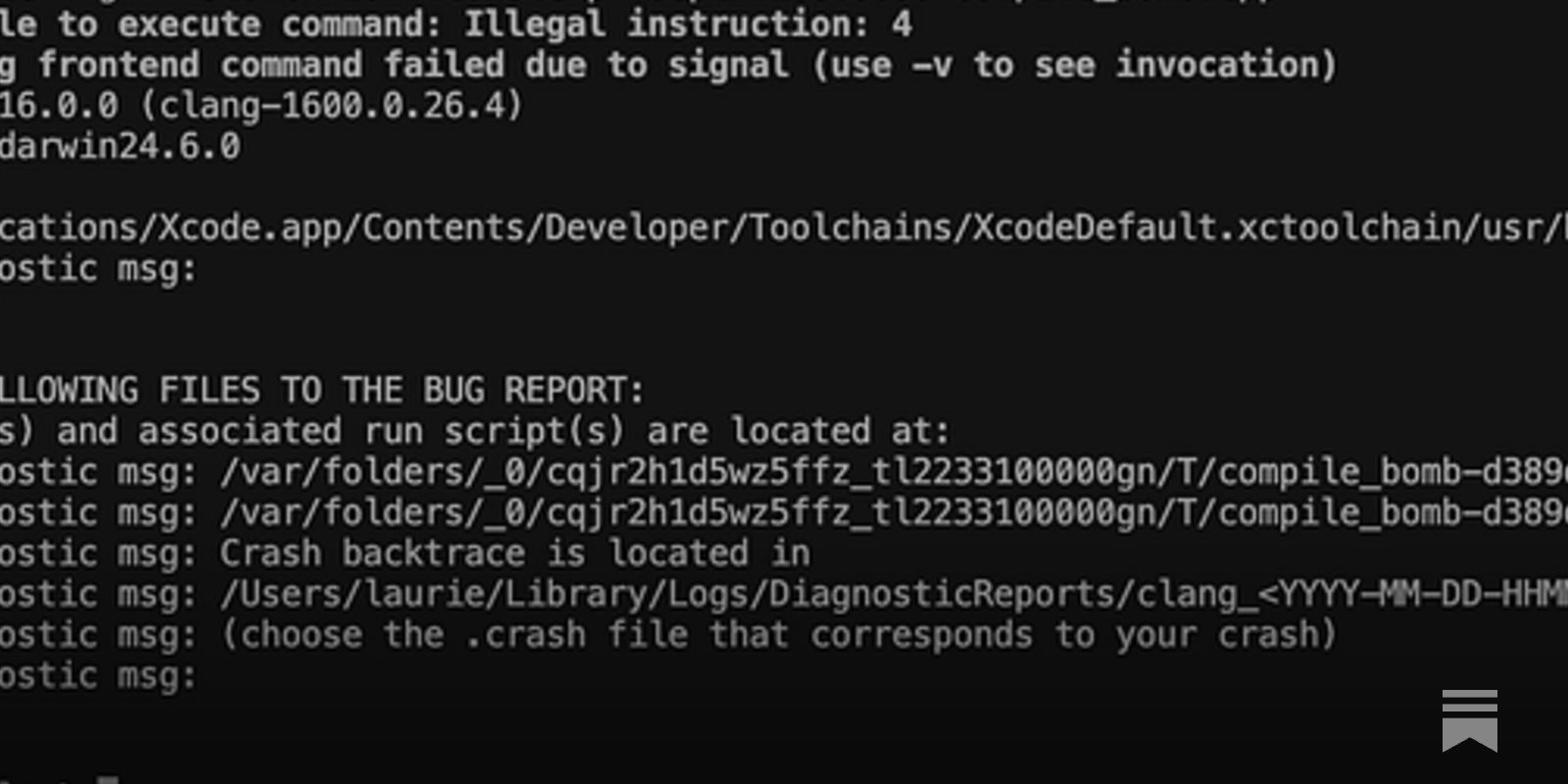
today you’re going to segfault your compiler.
Write code that is easy to delete, not easy to extend.
“Every line of code is written without reason, maintained out of weakness, and deleted by chance” Jean-Paul Sartre’s Programming in ANSI C.
Ncursesw - RogueBasin
The version of the popular ncurses library that handles wide characters, or Unicode, is surprisingly difficult to get working with C programs. This article is intended to be a checklist for developers so that they can effectively use the library.
Learn C • Build Your Own Lisp
If you're looking to learn C, or you've ever wondered how to build your own programming language, this is the book for you.
Copper
Copper is a programming language that I use as a replacement to C. The main differences are:
Crafting Interpreters
Despite using them every day, most software engineers know little about how programming languages are designed and implemented. For many, their only experience with that corner of computer science was a terrifying "compilers" class that they suffered through in undergrad and tried to blot from th...

Segfaults are our friends and teachers
This afternoon, I got a segmentation fault in a Rust program, and was confused. This is Rust, I shouldn’t get segfaults! I quickly checked the couple of places I used unsafe, and they were either calling C functions (and checking the errors), or telling the compiler not to initialize some memory because I was going to write into it unconditionally before reading from it.