


The new humanities maintain that for the last 500 years, Western Civilisation has got it wrong when it comes to knowledge, truth and science.
Decolonizing technology: A reading list | Beatrice Martini – blog
Western culture has long been defining how the world came to existence, its history, and how it works from a perspective which is centred on a Western and white point of view. While this specific paradigm has been the dominant position of power, others have been hegemonized by it, their cultures and experiences dismissed and … Continue reading Decolonizing technology: A reading list

Does modernisation erase cultural difference – or amplify it? | Psyche Ideas
We understandably fear the flattening effect of modernity. But global data from China to Peru tells a hopeful story

About time: why western philosophy can only teach us so much
The long read: By gaining greater knowledge of how others think, we can become less certain of the knowledge we think we have, which is always the first step to greater understanding. By Julian Baggini

About time: why western philosophy can only teach us so much
The long read: By gaining greater knowledge of how others think, we can become less certain of the knowledge we think we have, which is always the first step to greater understanding. By Julian Baggini
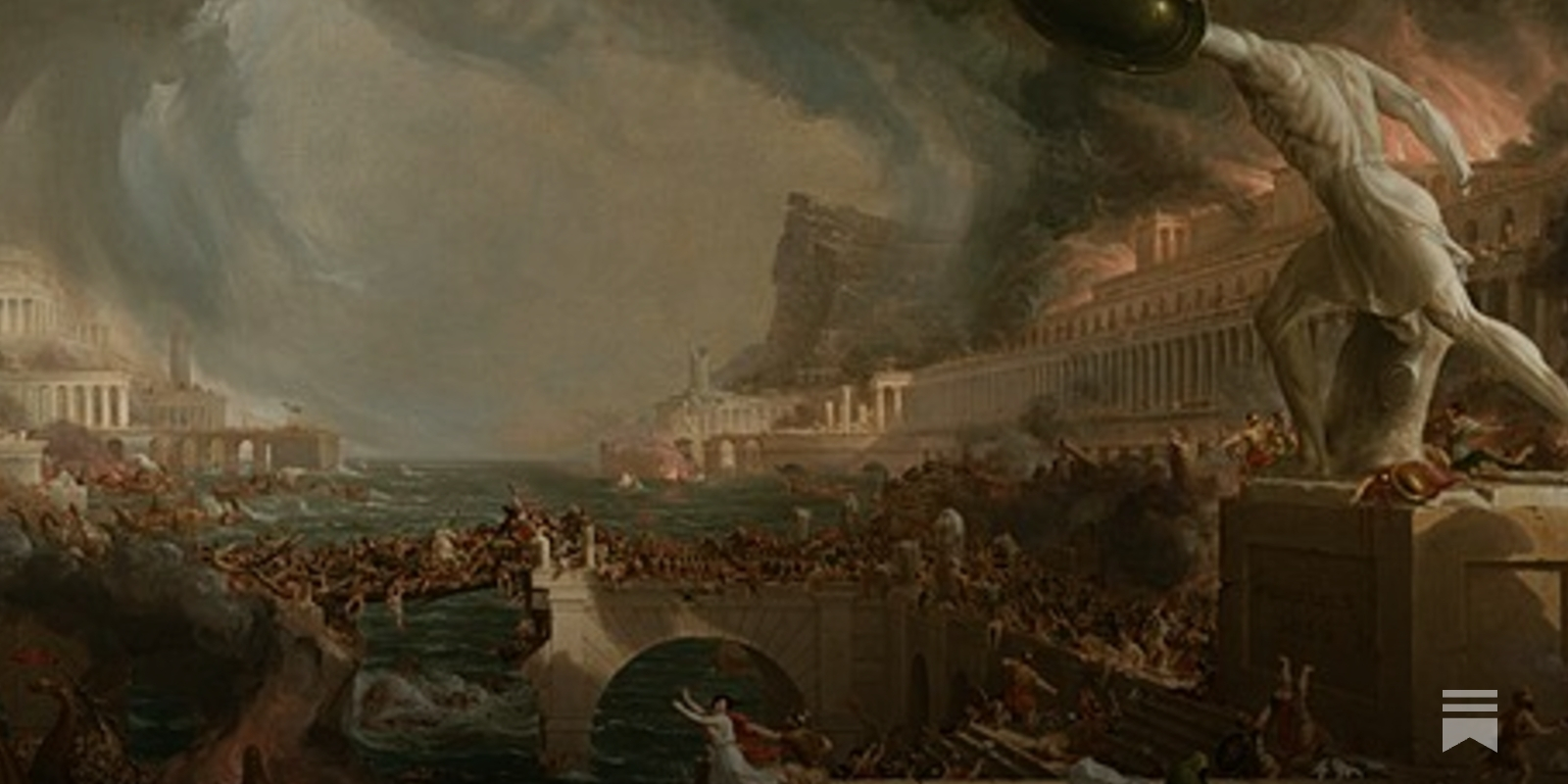
HOME - Daniel Schmachtenberger
EXPLORATIONS ON THE FUTURE OF CIVILIZATION Some of the central questions being explored here: With the first fully globalized civilization, how do we avoid the collapse fate that has befallen all previous civilizations? What are effective types of immune systems for identifying and correcting corruption in governance systems? How do we comprehensively disincentivize misinformation and harm to … HOME Read More »

Our Overfitted Century
Cultural stagnation is because we're stuck in-distribution
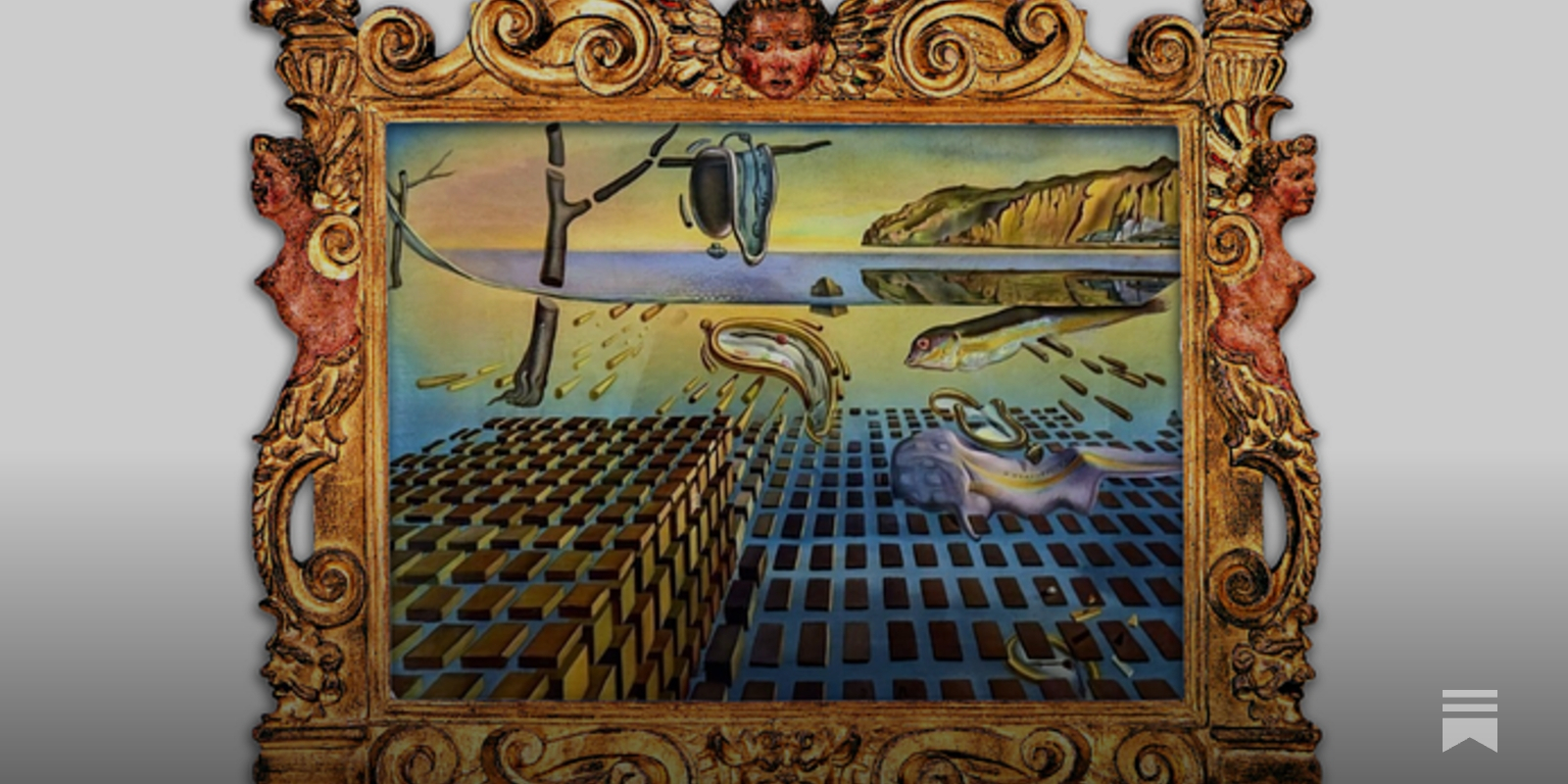
Links on Status and Culture - January 2024
Read to the end for a longer essay critiquing Ted Gioia's idea of Macro vs. Micro cultures that explains why we get confused about niches and countercultures Personal News I’m spending 2024 writing a new book — a cultural history of the first 25 years of the 21st century.

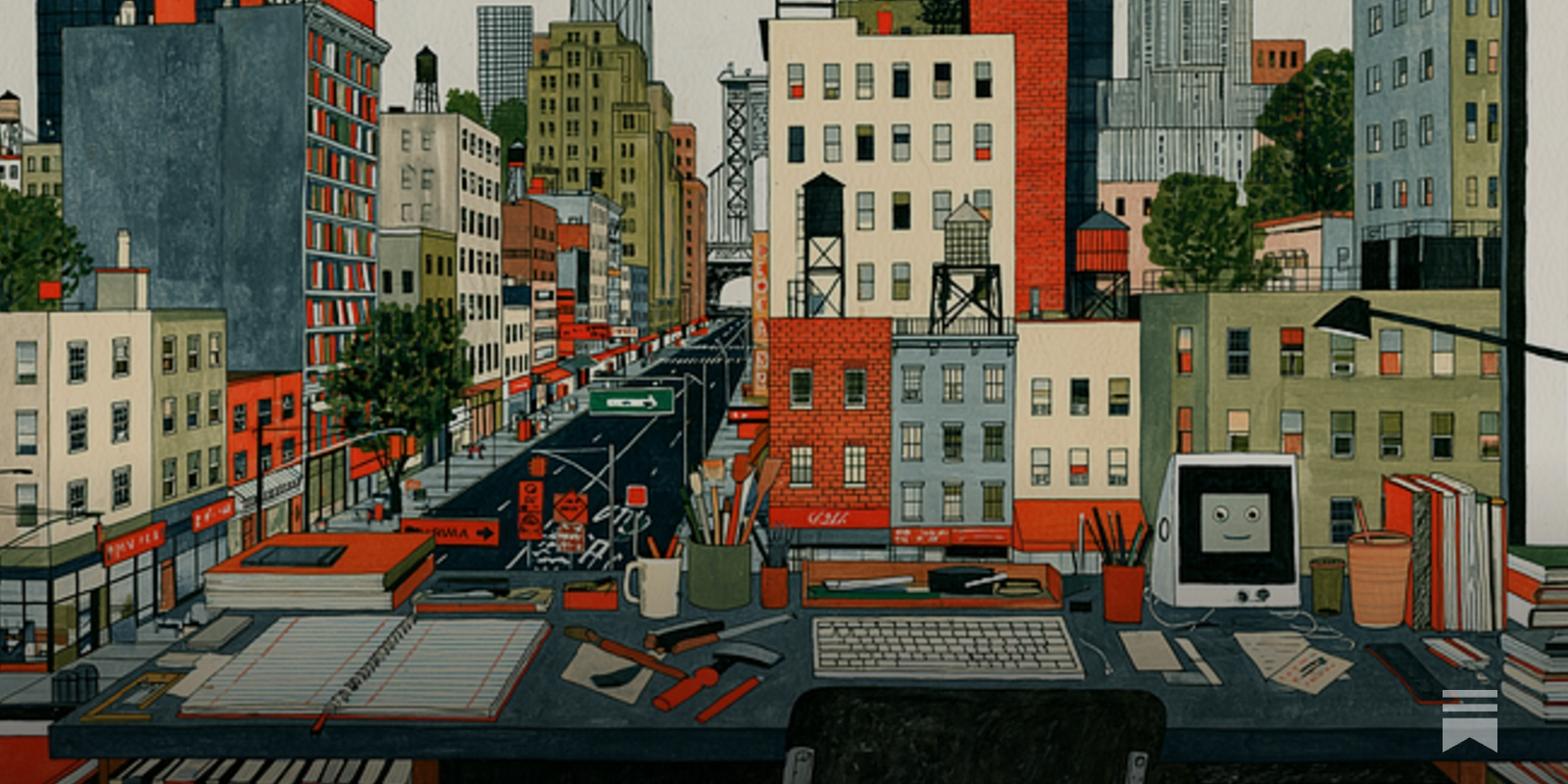

How WEIRD is CHI?
Computer technology is often designed in technology hubs in Western countries, invariably making it “WEIRD”, because it is based on the intuition, knowledge, and values of people who are Western, Educated, Industrialized, Rich, and Democratic. Developing technology that is universally useful and engaging requires knowledge about members of WEIRD and non-WEIRD societies alike. In other words, it requires us, the CHI community, to generate this knowledge by studying representative participant samples. To find out to what extent CHI participant samples are from Western societies, we analyzed papers published in the CHI proceedings between 2016-2020. Our findings show that 73% of CHI study findings are based on Western participant samples, representing less than 12% of the world’s population. Furthermore, we show that most participant samples at CHI tend to come from industrialized, rich, and democratic countries with generally highly educated populations. Encouragingly, recent years have seen a slight increase in non-Western samples and those that include several countries. We discuss suggestions for further broadening the international representation of CHI participant samples.

Lost civilisations make good TV, but archaeology’s real stories hold far more wonder | Flint Dibble
I took on a pseudoscientist because misinformation about history too often goes unchallenged

The New Planetary Nationalism
The realization of human embeddedness in Earth’s natural systems does not inevitably create a cosmopolitan politics oriented toward universal well-being.
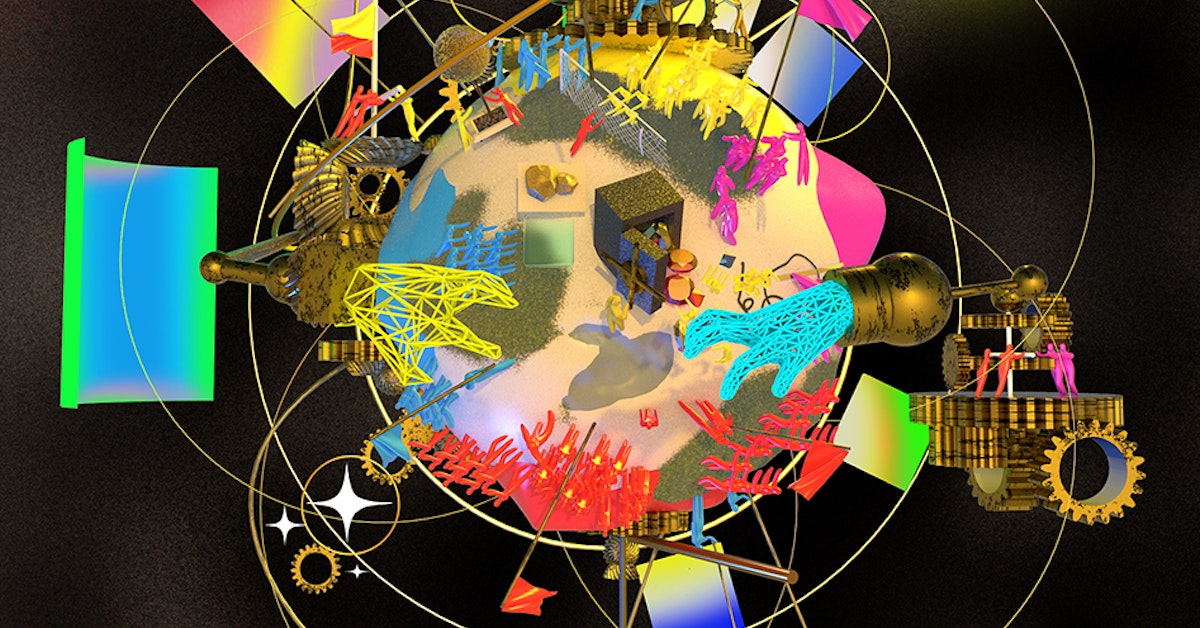
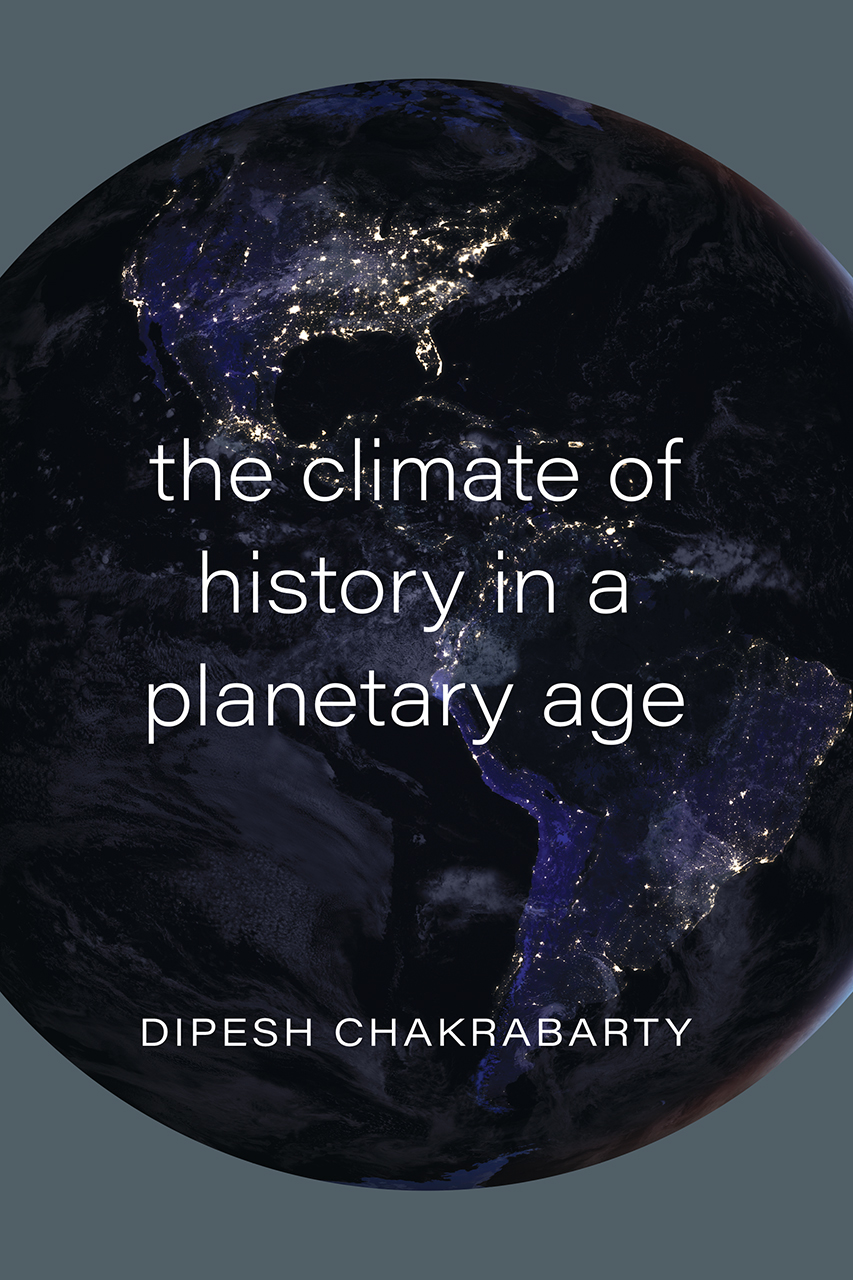
The Climate of History in a Planetary Age
For the past decade, historian Dipesh Chakrabarty has been one of the most influential scholars addressing the meaning of climate change. Climate change, he argues, upends long-standing ideas of history, modernity, and globalization. The burden of The Climate of History in a Planetary Age is to grapple with what this means and to confront humanities scholars with ideas they have been reluctant to reconsider—from the changed nature of human agency to a new acceptance of universals. Chakrabarty argues that we must see ourselves from two perspectives at once: the planetary and the global. This distinction is central to Chakrabarty’s work—the globe is a human-centric construction, while a planetary perspective intentionally decenters the human. Featuring wide-ranging excursions into historical and philosophical literatures, The Climate of History in a Planetary Age boldly considers how to frame the human condition in troubled times. As we open ourselves to the implications of the Anthropocene, few writers are as likely as Chakrabarty to shape our understanding of the best way forward.
Technology is part of the humanities. People who work in tech-adjacent fields but do not understand that will plateau very fast in their careers. The parts of the job that vibecoding eliminates aren't the political ones.

Hetan Shah
It’s 25 years since we lost Douglas Adams. I am happy to have been able to get a reference to him into this piece in the FT about why the humanities are essential ft.com/content/fbde3d46-0e53-47cb-8f…
