


There have been two main changes in dietary habits from the 1970s (before the obesity epidemic) until today. First, there was the change is what we were recommended to eat. Prior to 1970, there was no official government sanctioned dietary advice. You ate what your mother told you to eat. With the publication of the Dietary Guidelines for Americans, we were told to cut the fat in our diets way down and replace that with carbohydrates, which might have been OK if it was all broccoli and kale, but might not be OK if it was all white bread and sugar.
The Meal is Not the Product
There are many reasons that people go out to eat. Some of those reasons involve food; many do not. If you’re going out to watch a game with friends, for example, the number and size of TVs is at least as important as the menu. For a date, the chef is generally important, but so

When We Eat, or Don’t Eat, May Be Critical for Health (Published 2018)
A growing body of research suggests that our bodies function optimally when we align our eating patterns with our circadian rhythms.

Dietary Habits Related to Food Packaging and Population Exposure to PFASs
Abstract Background: Per- and polyfluoroalkyl substances (PFASs) are common industrial and consumer product chemicals with widespread human exposures that have been linked to adverse health effects. PFASs are commonly detected in foods and food-contact materials (FCMs), including fast food packaging and microwave popcorn bags. Objectives: Our goal was to investigate associations between serum PFASs and consumption of restaurant food and popcorn in a representative sample of Americans. Methods: We analyzed 2003–2014 serum PFAS and dietary recall data from the National Health and Nutrition Examination Survey (NHANES). We used multivariable linear regressions to investigate relationships between consumption of fast food, restaurant food, food eaten at home, and microwave popcorn and serum levels of perfluorooctanoic acid (PFOA), perfluorononanoic acid (PFNA), perfluorodecanoic acid (PFDA), perfluorohexanesulfonic acid (PFHxS), and perfluorooctanesulfonic acid (PFOS). Results: Calories of food eaten at home in the past 24 h had significant inverse associations with serum levels of all five PFASs; these associations were stronger in women. Consumption of meals from fast food/pizza restaurants and other restaurants was generally associated with higher serum PFAS concentrations, based on 24-h and 7-d recall, with limited statistical significance. Consumption of popcorn was associated with significantly higher serum levels of PFOA, PFNA, PFDA, and PFOS, based on 24-h and 12-month recall, up to a 63% (95% CI: 34, 99) increase in PFDA among those who ate popcorn daily over the last 12 months. Conclusions: Associations between serum PFAS and popcorn consumption may be a consequence of PFAS migration from microwave popcorn bags. Inverse associations between serum PFAS and food eaten at home—primarily from grocery stores—is consistent with less contact between home-prepared food and FCMs, some of which contain PFASs. The potential for FCMs to contribute to PFAS exposure, coupled with concerns about toxicity and persistence, support the use of alternatives to PFASs in FCMs. https://doi.org/10.1289/EHP4092
Inside the food industry: the surprising truth about what you eat
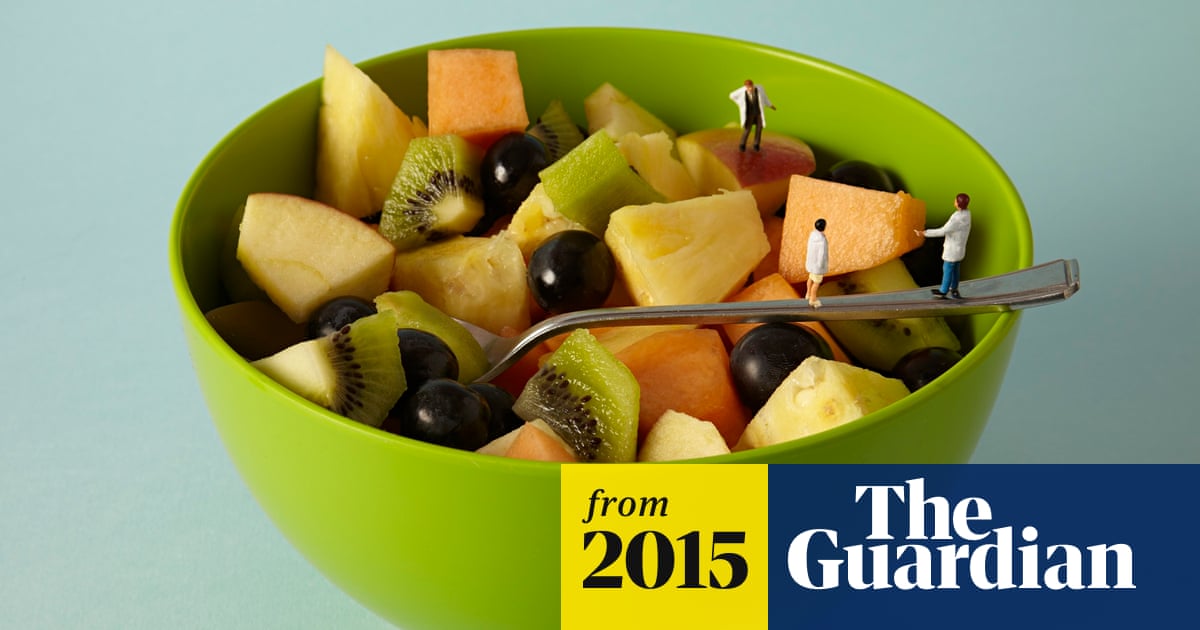
Think you eat only healthy, unprocessed foods? Think again. Joanna Blythman went undercover and discovered that even your fruit salad is not what it seems
Sorry, There’s Nothing Magical About Breakfast (Published 2016)
Don’t feel bad if you’d rather skip it. Studies have not proved its importance.

Annual Reports | CAA
For archived content, please refer to the National Diet Library's Web Archiving Project (WARP).
History, Sugar and Sex: Why Mixed Drinks Were Terrible for 30 Years
Imagine you are overworked, sleep-deprived and keen to begin your weekend with...

The McDonaldization of Taste | KQED
Which came first, the Big Mac or a consumer culture built on the need for immediate gratification in super sizes? In How We Eat: Appetite, Culture, and Psychology of Food, Leon Rappoport unveils social, psychological, spiritual, and political motivations for eating behavior. He initially became interested in the topic when he was learning the practices
A contributory citizen science project reveals the impact of dietary keys to microbiome health in Spain
Low consumption of whole grains, fruits, and vegetables has been identified as dietary risks for non-communicable diseases such as inflammatory bowel diseases (IBDs). We explore how individual and lifestyle factors influence these risks by shaping gut microbiome composition. 1001 healthy participants from all Spanish regions provided personal and dietary data at baseline, six, and twelve months, yielding 2475 responses. Gut microbiome data were analyzed for 500 healthy participants and 321 IBD patients. Our findings reveal that adherence to national dietary guidelines—characterized by diets rich in nuts, seeds, fruits, and vegetables—was associated with greater microbial diversity and reduced IBD-related dysbiosis. Finally, we observed variations in dietary patterns and microbiome diversity and composition across age groups, genders, regions, seasons, and transit time. This study is among the first to uncover dietary intake associated with IBD-related dysbiosis and to propose an interactive website for participants (https://manichanh.vhir.org/POP/en).

The art of simple food : notes, lessons, and recipes from a delicious revolution
ix, 405 p. : 25 cm; Here you will find Alice's philosophy on everything from stocking your kitchen, to mastering fundamentals and preparing delicious, seasonal inspired meals all year long. Always true to her philosophy that a perfect meal is one that's balanced in texture, color, and flavor, Waters helps us embrace the seasons' bounty and make the best choices when selecting ingredients.--From publisher's description; Subtitle from cover; Includes index

It’s Stanford time, baby: 8-hour time-restricted press releases linked to a 91% higher risk of hype
You and the blog readers might find this interesting: https://newsroom.heart.org/news/8-hour-time-restricted-eating-linked-to-a-91-higher-risk-of-cardiovascular-death.
Britain's scorched fields mean a food crisis – and the government is ignoring the one measure that would help | George Monbiot
This summer’s extreme weather and wars in Iran and Ukraine have made our need for food stockpiles more pressing than ever, says Guardian columnist George Monbiot

The great nutrient collapse
The atmosphere is literally changing the food we eat, for the worse. And almost nobody is paying attention.
Epic diarrhea outbreak has 40% of Americans avoiding fruits and veggies
Kennedy has focused on nutrition but has neglected food safety, critics say.
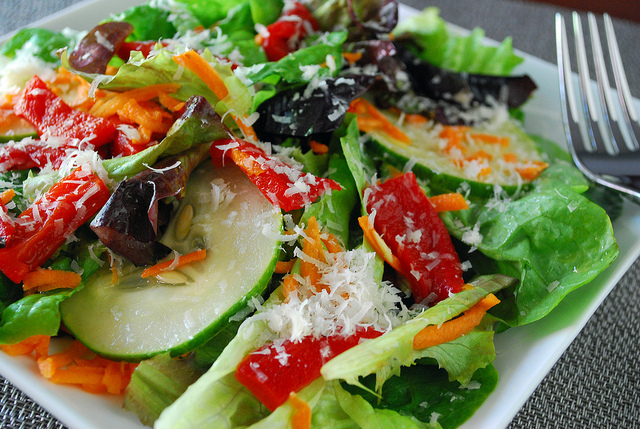
A History of Menus is a Menu of History
What do America’s earliest restaurant menus teach us about America?

Genetic Determinants of Macronutrient Intake Are Associated With Specific Food Intake in Youth: A Cohort Study Across Childhood and Adolescence
OBJECTIVE. We examined associations of polygenic scores (PS) for macronutrient intake with food intake and cardiometabolic outcomes during childhood and ad
