


For a long time, one of the chief differences between Western and Asian societies has been chalked up to a simple theory of modernization. Social psychologists have held that as countries modernize, people grow more analytical and individualistic, while less developed nations remain more collectivist—a hallmark of many East Asian cultures.
One of the greatest MYTHS in cultural psychology is collectivists (e.g. Asians) don't compete––they are a kumbaya/harmonious/lovey dovey bunch who prioritize interpersonal relationships, unlike those individualistic Americans who are self-serving and competitive. 1
One of the greatest MYTHS in cultural psychology is collectivists (e.g. Asians) don't compete––they are a kumbaya/harmonious/lovey dovey bunch who prioritize interpersonal relationships, unlike those individualistic Americans who are self-serving and competitive. 1 pic.twitter.com/ikh5ZLlwOV— Kaidi Wu, Ph.D. (@kaidi_wu) April 11, 2024

Orientalism (book)
Orientalism is a 1978 book by Edward Said, in which he establishes the term "Orientalism" as a critical concept to describe the Western world's commonly contemptuous depiction and portrayal of the Eastern world. Societies and peoples of the Orient are those who inhabit regions throughout Asia and North Africa. Said argues that Orientalism, in the sense of Western scholarship about the Eastern world, is inextricably tied to the imperialist societies that produced it, which makes much Orientalist work inherently political and servile to power.

The Model Minority Trope, Explained
Does modernisation erase cultural difference – or amplify it? | Psyche Ideas
We understandably fear the flattening effect of modernity. But global data from China to Peru tells a hopeful story
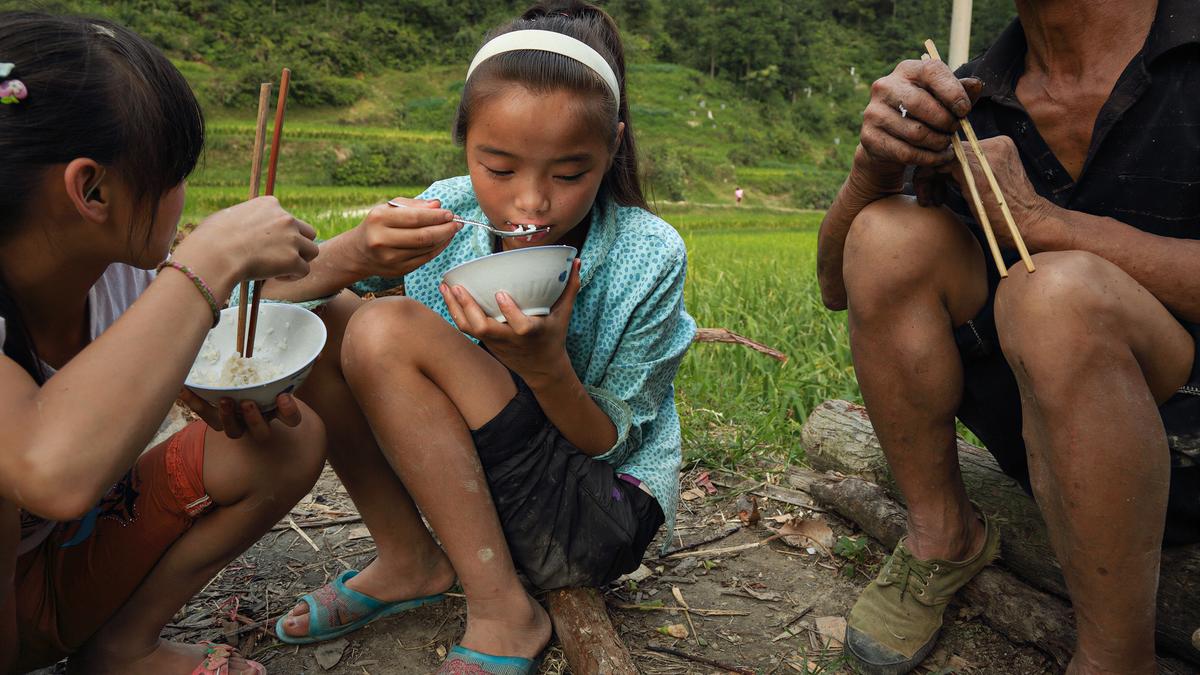
The Transformative Potential of Asian Philosophies | Epoché Magazine
A free online philosophy magazine, delivered monthly

Why is ‘White People Food’ Trending in China? - RADII
The younger generation of China’s workforce is doing some soul-searching. Now, they turn to something identified as ‘White People Food.’


From cultures to aesthetics between Asian and Western UX design
Since I moved to Europe from Asia and used to work for European company from Asia. I feel like I have to discuss the topic of design aesthetics, cultural influences and user behaviours.

Asian Cuisine as Diverse as Vancouver
People with roots in India, China, Japan, England, France and, of course, the Pacific Northwest have long lived together in this famously diverse city. The result? A delicious intermingling of cuisine.

Differences Between Tight and Loose Cultures: A 33-Nation Study
The differences across cultures in the enforcement of conformity may reflect their specific histories. , With data from 33 nations, we illustrate the differences between cultures that are tight (have many strong norms and a low tolerance of deviant behavior) versus loose (have weak social norms and a high tolerance of deviant behavior). Tightness-looseness is part of a complex, loosely integrated multilevel system that comprises distal ecological and historical threats (e.g., high population density, resource scarcity, a history of territorial conflict, and disease and environmental threats), broad versus narrow socialization in societal institutions (e.g., autocracy, media regulations), the strength of everyday recurring situations, and micro-level psychological affordances (e.g., prevention self-guides, high regulatory strength, need for structure). This research advances knowledge that can foster cross-cultural understanding in a world of increasing global interdependence and has implications for modeling cultural change.
Tech in Asia - Connecting Asia's startup ecosystem
Western Civilisation Not Welcome Here | Quillette
The new humanities maintain that for the last 500 years, Western Civilisation has got it wrong when it comes to knowledge, truth and science.
Alternative Cultures Are Beautiful and Important. They're Also Not Enough.
"The conscious destruction of a competing ethic” and the need for organizing and direct action

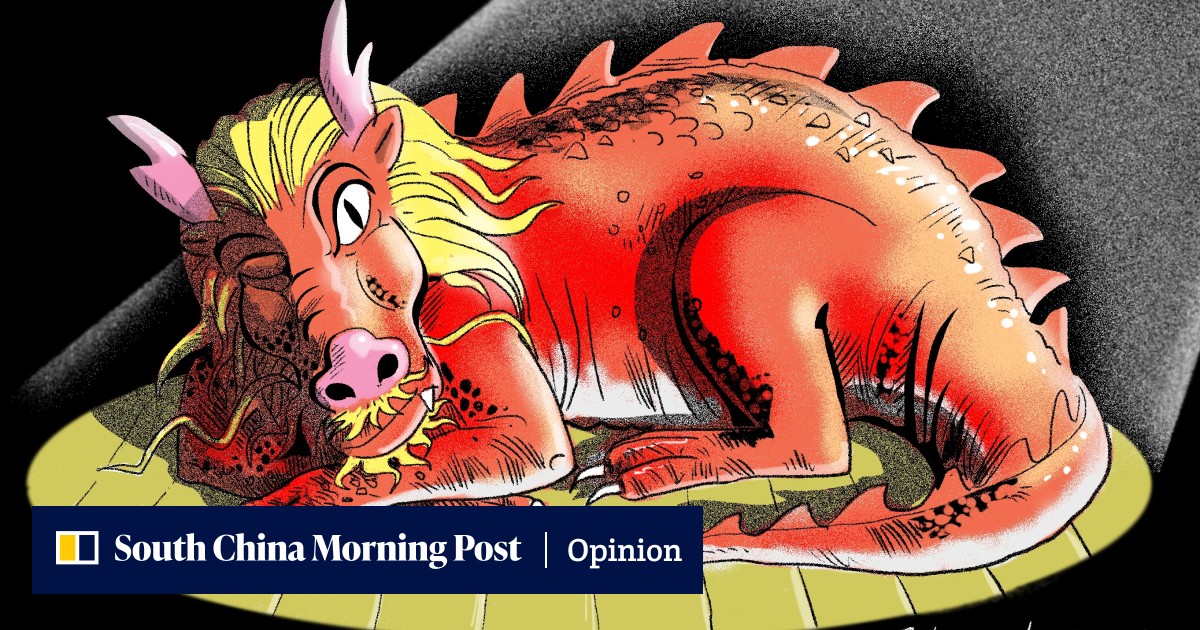
Opinion | How the West can best manage China’s re-emergence as a great power
To cope with the redistribution of wealth and political power, democracies should strengthen defensive alliances, engage openly with Beijing and exercise strategic patience: given China’s demographic transformations, change may come from within.
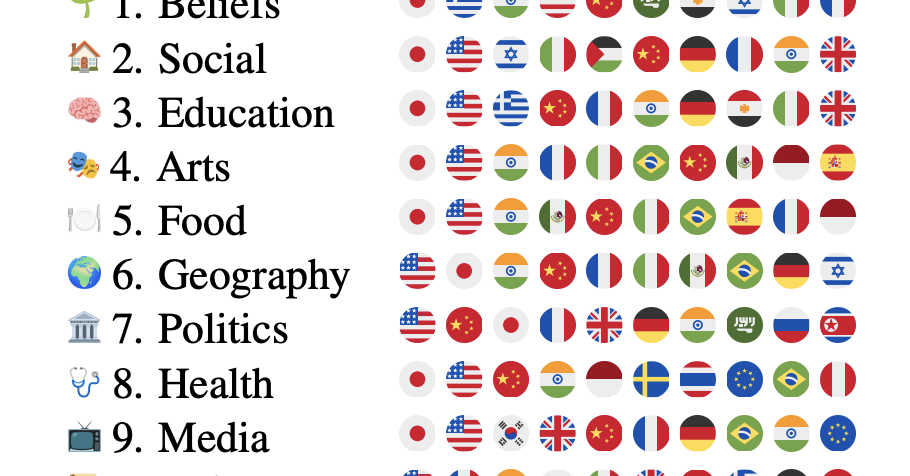
なぜ一部のAIモデルは「日本文化」に執着するのか? 「4o-mini」などの出力が日本に偏る実態、欧州チームが研究発表
スペインのバスク大学や英カーディフ大学などに所属する研究者らが発表した論文「Why are all LLMs Obsessed with Japanese Culture? On the Hidden Cultural and Regional Biases of LLMs」は、一部のAIモデルが文化的な話題において日本文化に強い執着を見せることが明らかにした研究報告だ。
Why A Values Fit Matters More Than A Culture Fit | TechCrunch
Almost every company today screens potential hires for cultural fit. But what constitutes a company’s culture and how can you tell if a particular person fits into this particular mold?
