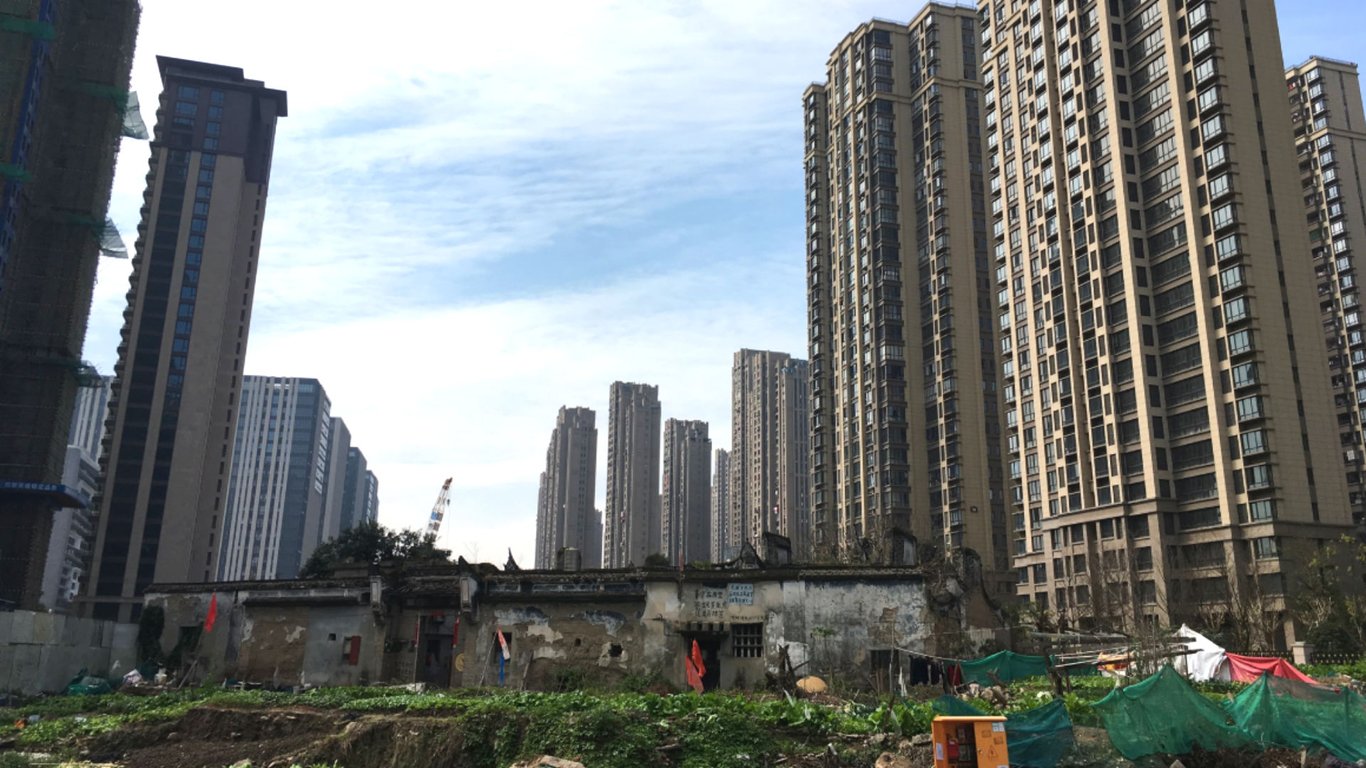
How China came to repeat the urban development mistakes of the US and Europe, resulting in colossal building projects and car-centric living
Story of cities #4: Beijing and the earliest planning document in history
The seemingly incoherent sprawl of modern Beijing is based on meticulous plans to bind citizens together under imperial rule. Conceived as a means of enforcing social order, the impact of planning remains strong in the city today
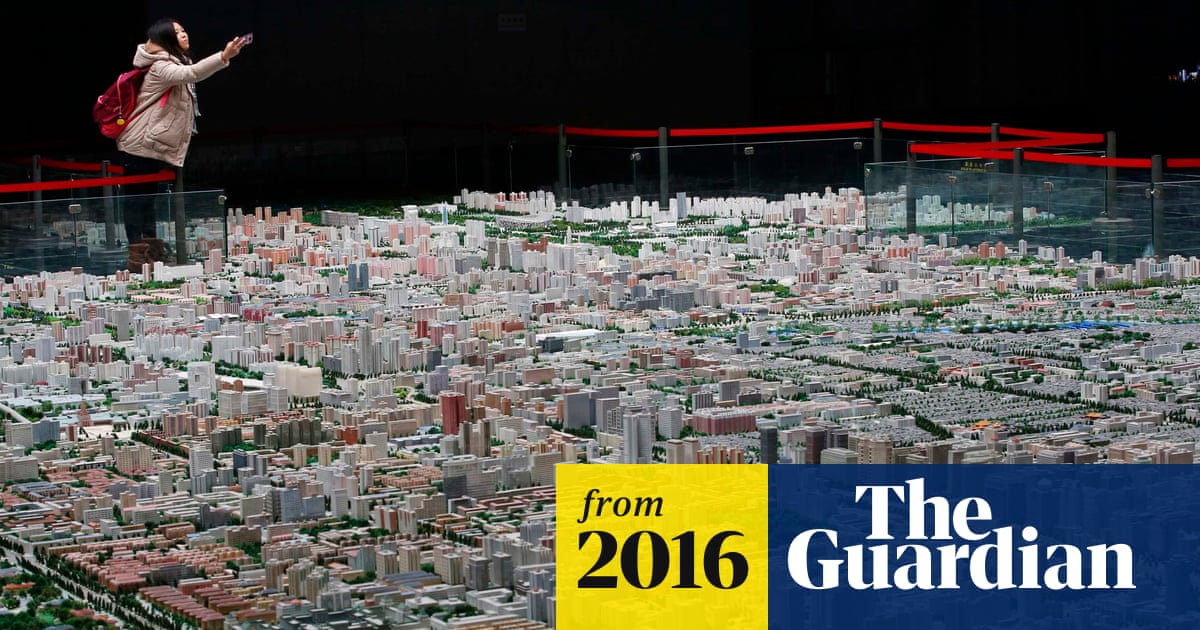
China’s urban policy unit just met for the first time in 38 years. Here’s what it recommended - CityMonitor
On 21 February, when China’s State Council released a new set of urban development guidelines, it backtracked on many of…
Ode to the Shanghai Metro - Phoebe Lemon
Wayfinding has many applications, and arguably the most important one is public transportation systems. Granted, there are many different ways to design such a system, and the politics and culture of the environment in which it will be integrated certainly plays a large role. Interestingly, often when we discuss transportation systems on the global scale, individuals are so quick to praise New York or London’s metro systems, Europe’s “high speed” rail system, or how “Uber is the most original new technology cities have seen”. All of these statements are subjective, but somehow they’ve become accepted fact, especially in the West, and I argue that anyone who gives European/American public transport that much praise is blissfully living in a bubble. As an international student who grew up in America and has visited most of its major cities, lived in China for two years, and is now studying in the Middle East, I’ve had the opportunity to use almost every public transportation system to exist. Old fashion taxis, the Maglev, high speed trains, shared bikes, shared mopeds, carpools, the bus, the metro, I have used them all, but nothing quite compares to the way China does public transport.

The Future of America’s Contest with China
Washington is in an intensifying standoff with Beijing. Which one will fundamentally shape the twenty-first century?

China’s dreamers and dropouts: ‘lying flat’ generation checks out in Dali
Cheap, remote and beautiful city attracts thousands of young people and Gen X-ers escaping economic treadmill

The Land That Failed to Fail (Published 2018)
The West was sure the Chinese approach would not work. It just had to wait. It’s still waiting.

China’s response to Belt and Road backlash
Many of the accusations serve geopolitical or economic purposes. They are not always logically coherent. Responsibilities of Chinese businesses are confused

The Future, Made in China
Beijing is competing with the U.S. for tech supremacy. Who wins will have huge political implications.

On the relevance of post-growth in China
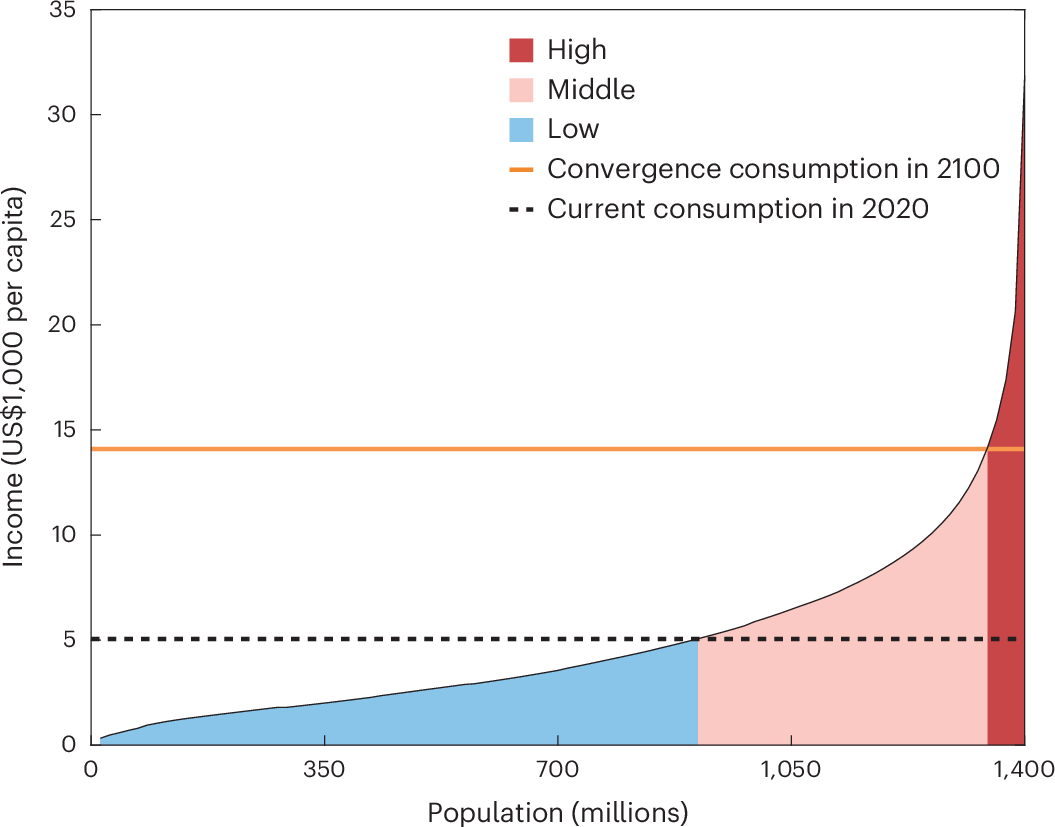
Post-growth refers to approaches prioritizing human well-being and ecological sustainability over gross domestic product expansion as a primary objective of economic policy. While it is widely discussed in the global north and generally targeted at high-income countries, its relevance to China remains underexplored and largely absent from academic discourse. This Perspective discusses China’s position in a possible global post-growth transition and explores convergence and difference between post-growth principles and development priorities in China. We consider how China’s concepts of ‘high-quality development’ and ‘ecological civilization’ could integrate post-growth principles, and vice versa. Understanding China’s context is crucial for a collaborative, effective approach to sustainability and global equity.
Le ralentissement de la croissance chinoise dans une perspective historique
Traduction française du billet "How severe is China’s growth slowdown (in historical perspective)?" de Branko Milanovic

Concrete Built The Modern World. Now It’s Destroying It.
A growing chorus of architects argue we have to build differently with concrete — which contributes to global warming and environmental destruction on a scale that’s hard to fathom — or perhaps abandon it altogether.

Inside Shenzhen’s race to outdo Silicon Valley
Shenzhen flooded the world with cheap gadgets. Can it now become what Silicon Valley never did—a global hub of innovation, entrepreneurship, and manufacturing?

Opinion | Why China won’t own next-generation manufacturing
With its massive investments, China is only accelerating the demise of its manufacturing industry.

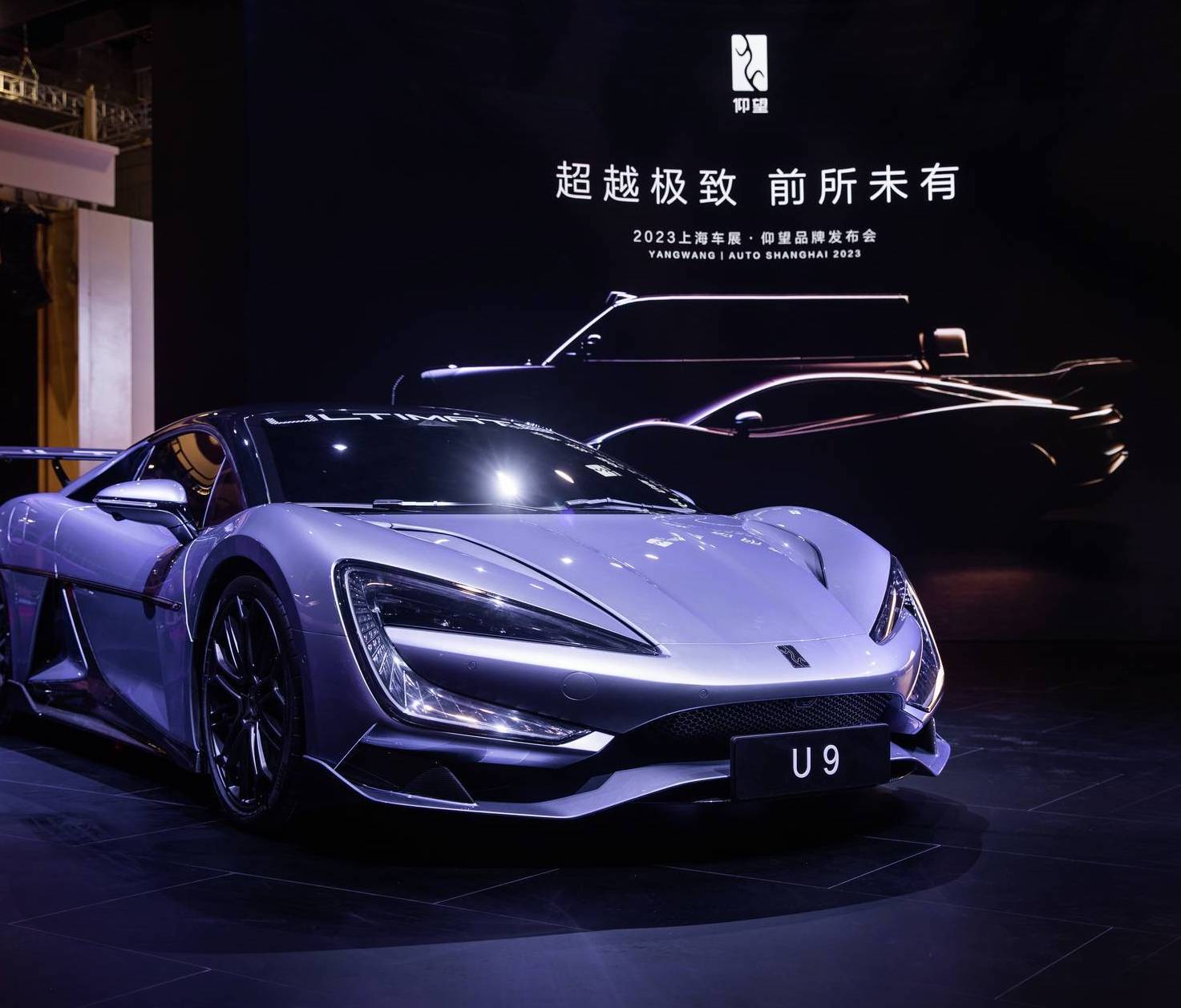
The Electric Vehicle Developmental State | Paolo Gerbaudo
BYD exemplifies transformations in Chinese industrial policy
China
The most important story of 2014 that most people ignored was the Chinese economy overtaking the US economy. (This is using the purchasing power parity metric, which incorporates differences in...

Inside China’s robotics revolution
The long read: How close are we to the sci-fi vision of autonomous humanoid robots? I visited 11 companies in five Chinese cities to find out