

A walk through an imagined product for academic writing, mocked up by Claude Design.
Thinking is not only writing
Generative artificial intelligence (AI) raises valid concerns about the loss of cognitive work embedded in scholarly writing. However, universally dismissing AI-assisted drafting mistakenly conflates writing with thinking itself and reinforces existing inequities in who can transform their ideas into polished text. Academic authorship should depend more on the depth and creativity of human intellectual engagement than on the medium through which first drafts are produced.
Thoughts and Feelings around Claude Design · Sam Henri Gold
I tried Claude Design yesterday and I have a theory for how this whole thing shakes out.

Introducing Claude Design by Anthropic Labs
Claude Design lets you collaborate with Claude to create polished visual work like designs, prototypes, slides, and one-pagers.
Midjourney
An independent research lab exploring new mediums of thought and expanding the imaginative powers of the human species.
The A.I.-Design Aesthetic That’s Taking Over the Internet
How Anthropic’s new tool, Claude Design, is creating overnight web-design clichés.
%20(1).jpg)
Ink & Switch
An independent research lab exploring the future of tools for thought.
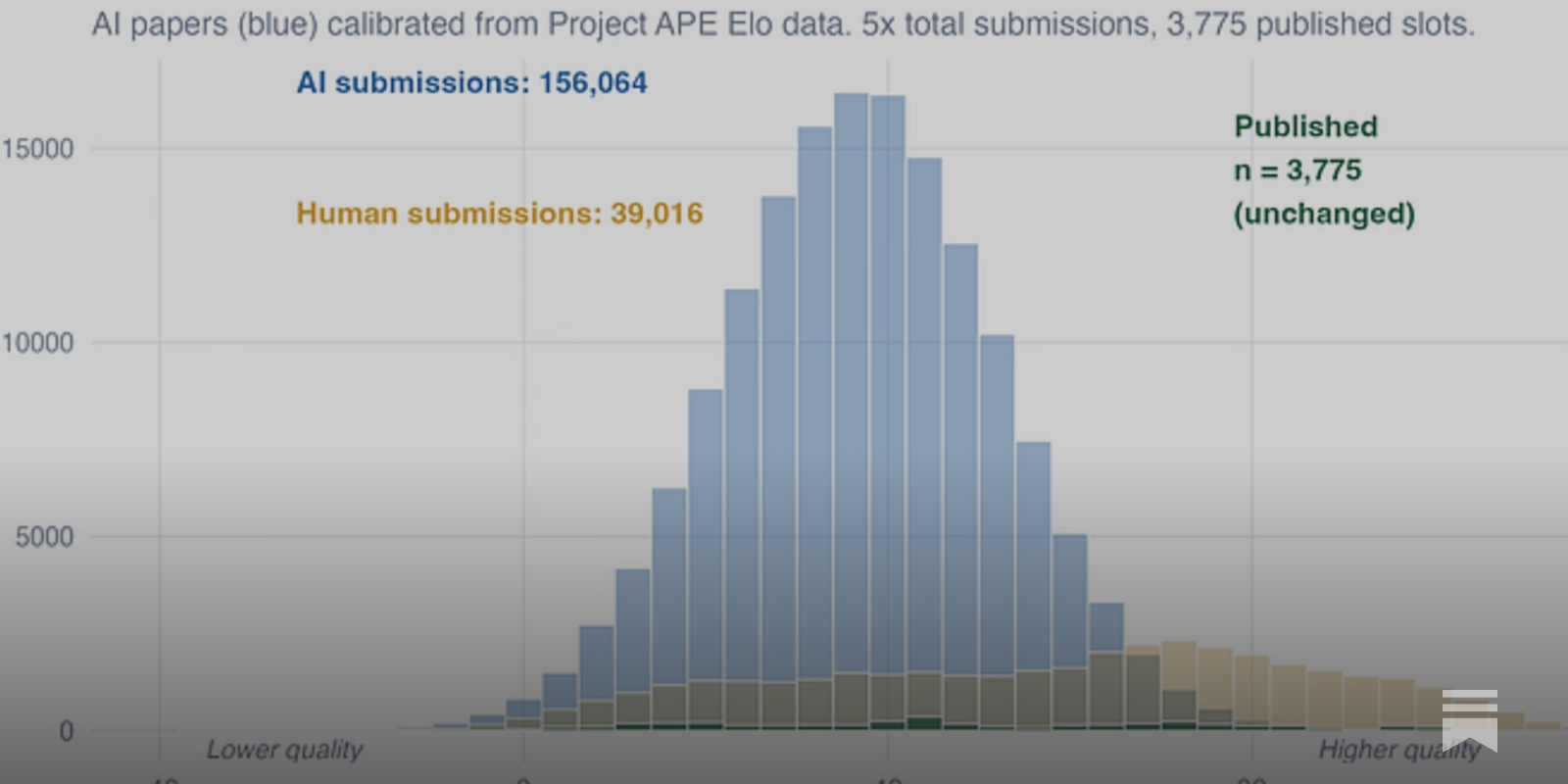
Claude Code 27: Research and Publishing Are Now Two Different Things
Some Claude Code fan fiction about the economics of publishing with AI agents set in the very near future
StoryScope: Investigating idiosyncrasies in AI fiction
As AI-generated fiction becomes increasingly prevalent, questions of authorship and originality are becoming central to how written work is evaluated. While most existing work in this space...

Creative Reading: Scaffolding Reading for Transformation
Reading augmentation systems increasingly help readers process text at scale. While these tools address real constraints of time and cognitive load, they often implicitly frame reading as information transmission, or "reading to discard," delegating interpretation and effort to the machine. Yet this delegation changes the outcome of reading. For example, in scholarly reading, deciding what a research text implies and why it matters is central to the work of scholarly production. We propose creative reading as an alternative goal: reading augmentation that supports readers in creating both readings and themselves as readers. By putting literary and narrative theories into conversation with scholarly sensemaking and creativity support, we present a provocation-oriented design space for valuing the process of reading as a way of preserving a plurality of readings and transforming readers over time.
Creative Reading: Scaffolding Reading for Transformation
Reading augmentation systems increasingly help readers process text at scale. While these tools address real constraints of time and cognitive load, they often implicitly frame reading as information transmission, or "reading to discard," delegating interpretation and effort to the machine. Yet this delegation changes the outcome of reading. For example, in scholarly reading, deciding what a research text implies and why it matters is central to the work of scholarly production. We propose creative reading as an alternative goal: reading augmentation that supports readers in creating both readings and themselves as readers. By putting literary and narrative theories into conversation with scholarly sensemaking and creativity support, we present a provocation-oriented design space for valuing the process of reading as a way of preserving a plurality of readings and transforming readers over time.
supernote-cli: pen, paper, and a pipe
A recent NYT piece argued we need a mental fitness revolution to combat the cognitive decay caused by algorithmic feeds and generative AI. It's an efficient one-two punch. If you're not brainrotting on short form video content, you're outsourcing all of your thinking to an LLM. The result is a kind of cognitive strip-mining. What's left requires active defense. For me, one way of defending that capacity for deep work is with a pen on e-ink. Whether it's annotating a paper or starting a sketch from scratch, I'm intentionally making room for focused thought. My army of clawed Claudes and Codexes will just have to wait.
Playbooks — Renaissance Philanthropy – A brighter future for all through science, technology, and innovation
Christopher Alexander’s A Pattern Language defines 253 methods for constructing beautiful and practical designs at every scale, from cities to rooms.

Publishing is fucked. The ATmosphere could save it. | Paul Stephenson | Offprint
Building a future for publishing that keeps authors and readers at its heart.

The release of #ClaudeDesign left me wondering what a tool like this could look like for academics (rather than designers) I then used Claude Design to mock it up for me Let me show you what came of it... 🧪🤖🧵 rafaelmbatista.com/manuscript/index.html
The release of #ClaudeDesign left me wondering what a tool like this could look like for academics (rather than designers) I then used Claude Design to mock it up for me Let me show you what came of it... 🧪🤖🧵 rafaelmbatista.com/manuscript/index.html
