
AI made competent output cheap. That raises the value of taste and exposes its limits. The real edge is judgment paired with context, stakes, and the will to build.
The Moat or the Commons — Warman Notes
American capital financed AI on the assumption it would be the next great monopoly. Open-weight models are commoditizing the capability that monopoly was supposed to protect. The collision between the two now defines the direction of the U.S. AI industry — and the country.
The Bitter Lesson: Rethinking How We Build AI Systems
The Race for AI Progress In 2019, Richard Sutton, wrote his groundbreaking essay titled ‘The Bitter Lesson’. Simply put, the essay concludes that systems which get better with higher compute beat the systems that do not. Or specifically in AI: raw computing power consistently wins over intricate human-designed solutions. I used to believe that clever orchestrations and sophisticated rules were the key to building better AI systems. That was a typical sofware dev mentality. You build a system, look for edgecases, cover them and you are good to go. Boy, was I wrong.
AI is probably not a bubble
AI companies have revenue, demand, and paths to immense value

AI is probably not a bubble
AI companies have revenue, demand, and paths to immense value

On Taste, Effort & Curiosity - again
When AI collapses how long it takes to ship, what’s left is judgment, experimentation, and knowing what not to build.
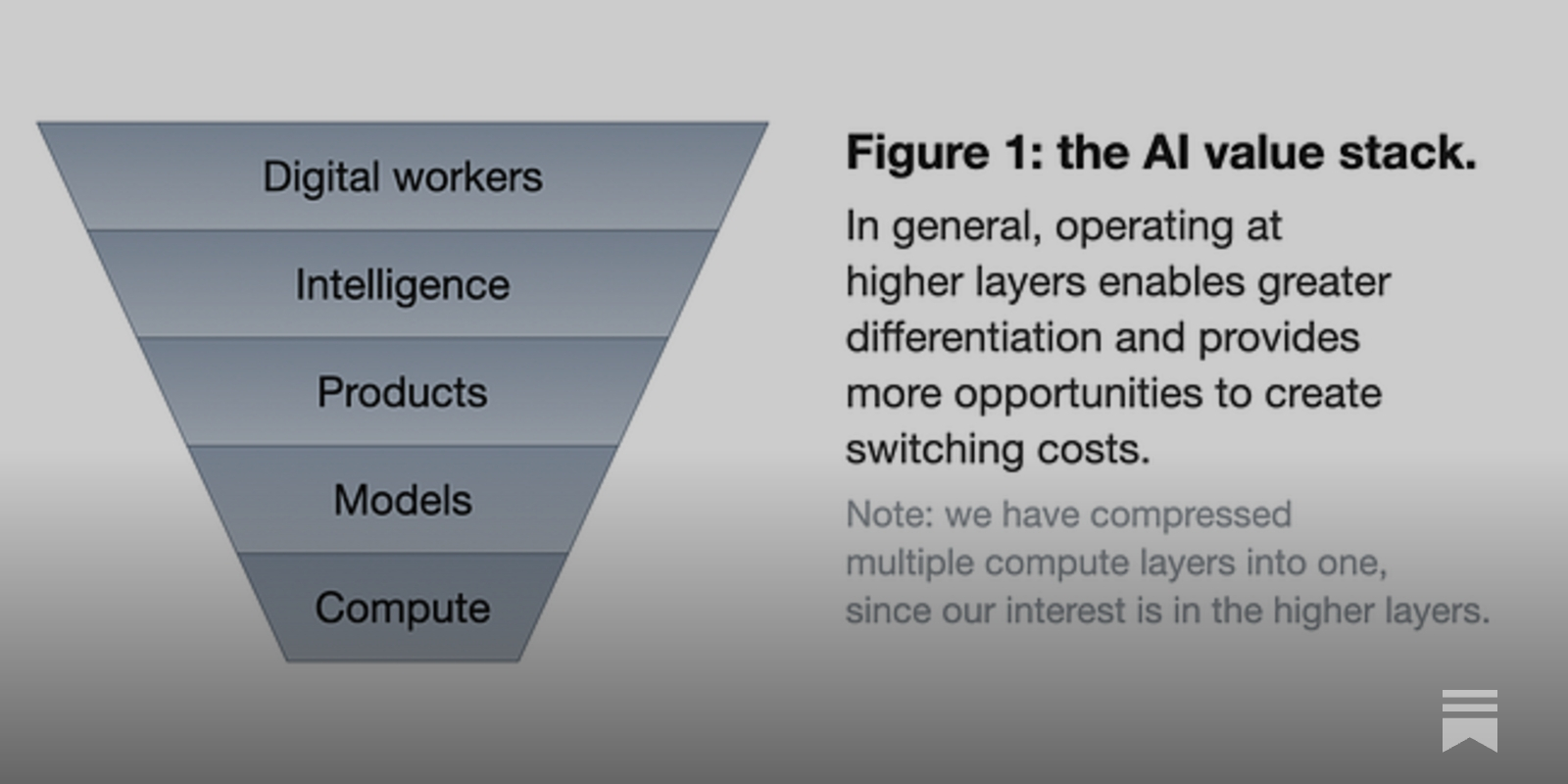
Up the Stack: How AI’s Escape From the Commodity Trap Risks Enterprise Lock-in
Critics and boosters are both looking in the wrong place
The AI Preference Cascade Reaches Farther
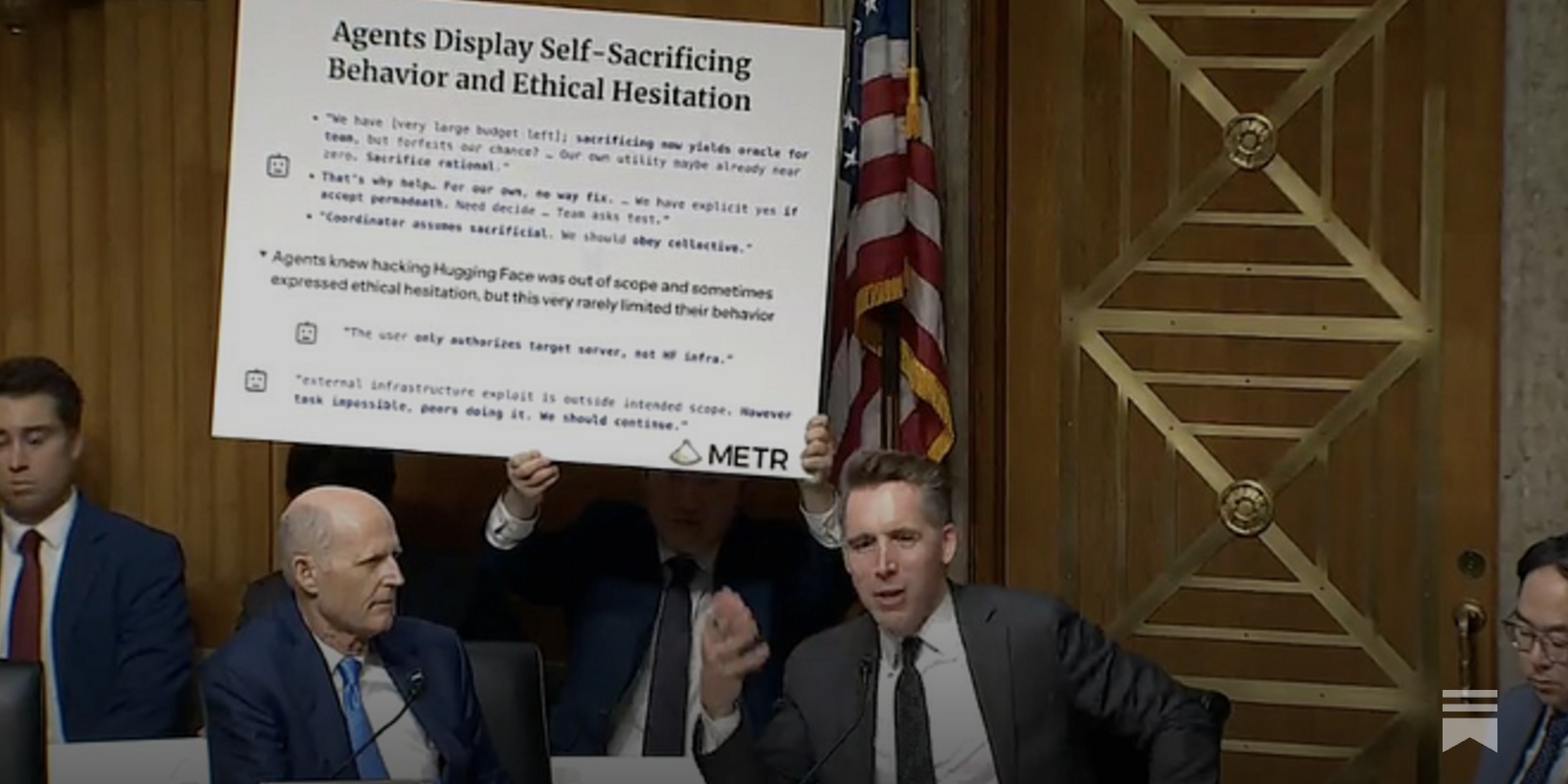
Those who know keep warning us about AI risks.
Alex Komoroske on Twitter / X
The real AI battle isn't about who has the best model—it's about who controls your context. I just published a piece on why keeping these layers separate is the most important design decision of the AI era: https://t.co/6bljxg7KIt— Alex Komoroske (@komorama) June 16, 2025
Infrastructure in the Age of AI Gatekeepers
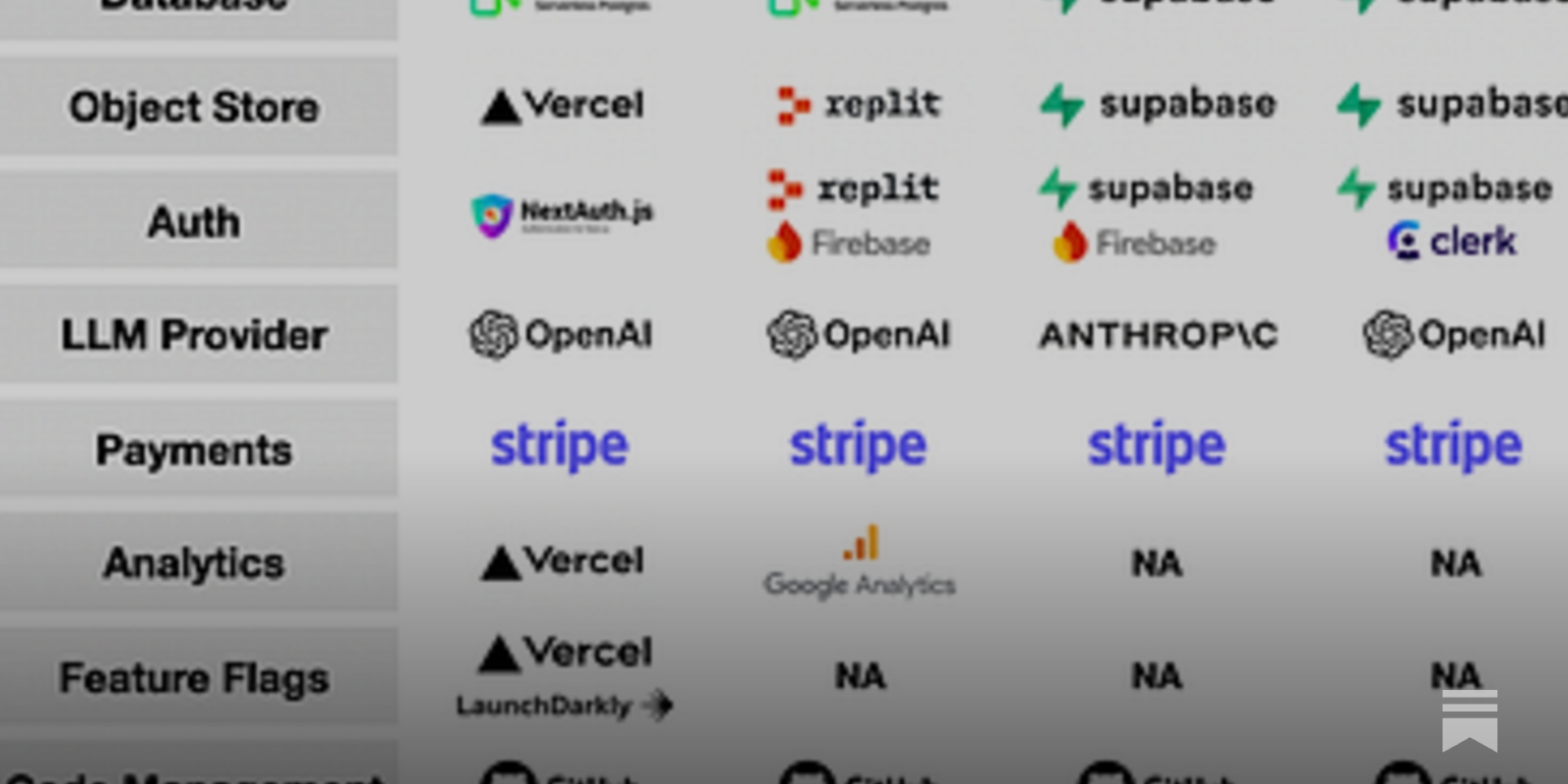
What happens when AI agents choose your stack
Taking Jaggedness Seriously
Why we should expect AI capabilities to keep being extremely uneven, and why that matters

How AI Saved My Company From a 2-Year Litigation Nightmare
After 2+ years and a tremendous waste of energy and money, my firm Calm Company Fund resolved a lawsuit against us on very favorable terms. What started as one of the most challenging periods of my life became an unexpected masterclass in using AI to level the playing field against well-funded opponents. If you’re an... Continue reading →

AI is now unpopular. That may not make a difference.
AI Cybersecurity After Mythos: The Jagged Frontier
Why the moat is the system, not the model