

The value of reintroducing friction into our interactions with computers
Design Frictions for Mindful Interactions: The Case for Microboundaries
Design frictions, a term found in popular media articles about user experience design, refer to points of difficulty occurring during interaction with technology. Such articles often argue that these frictions should be removed from interaction flows in order to reduce the risk of user frustration and disengagement. In this paper we argue that, in many scenarios, designing friction into interactions through the introduction of microboundaries, can, in fact, have positive effects. Design frictions can disrupt "mindless" automatic interactions, prompting moments of reflection and more "mindful" interaction. The potential advantages of intentionally introduced frictions are numerous: from reducing the likelihood of errors in data-entry tasks, to supporting health-behaviour change.

Our interfaces have lost their senses
We programmed them by punching cards, plugging in wires, and flipping switches. Programmers walked among banks of switches and cables, physically choreographing their logic. Being on a computer used to be a full-body experience.
FRICTIONAL AI WORKSHOP
Topics of the Workshop In its third edition, this workshop builds on and expands its exploration of friction-in-design in AI systems, hosting a full-day event that challenges the pursuit of seamless, rapid interactions. In contrast to the conventional narrative that human over-reliance on AI stems
The Friction I Don't Want to Lose
I love learning. And while the friction of solving new problems is increasingly traded for speed, the experience gained by overcoming that friction is as important as ever.
Feeling of Computing — Conversations
Tool Making Follow-Up: What I Mean by Friction
Hopefully clearing up some of my vagueness to reduce misunderstanding.

The case against efficiency: friction in social media
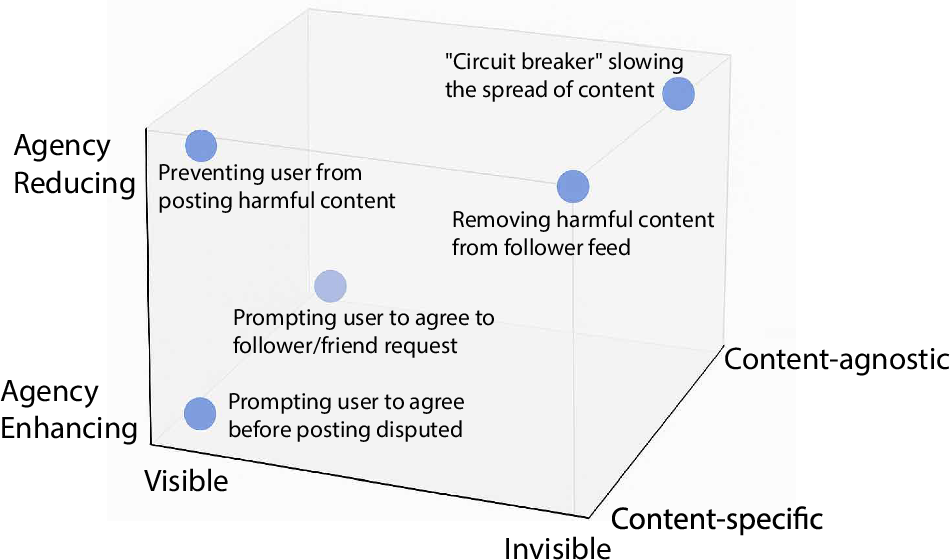
Social media platforms frequently prioritize efficiency to maximize ad revenue and user engagement, often sacrificing deliberation, trust, and reflective, purposeful cognitive engagement in the process. This manuscript examines the potential of friction—design choices that intentionally slow user interactions—as an alternate approach. We present a case against efficiency as the dominant paradigm on social media and advocate for a complex systems approach to understanding and analyzing friction. Drawing from interdisciplinary literature, real-world examples, and industry experiments, we highlight the potential for friction to mitigate issues like polarization, disinformation, and toxic content without resorting to censorship. We propose a state space representation of friction to establish a multidimensional framework and language for analyzing the diverse forms and functions through which friction can be implemented. Additionally, we propose several experimental designs to examine the impact of friction on system dynamics, user behavior, and information ecosystems, each designed with complex systems solutions and perspectives in mind. Our case against efficiency underscores the critical role of friction in shaping digital spaces, challenging the relentless pursuit of efficiency and exploring the potential of thoughtful slowing.
Technology is Not Values Neutral: Ending the Reign of Nihilistic Design
We fail to take tech seriously when we do not grasp its full impact on humans
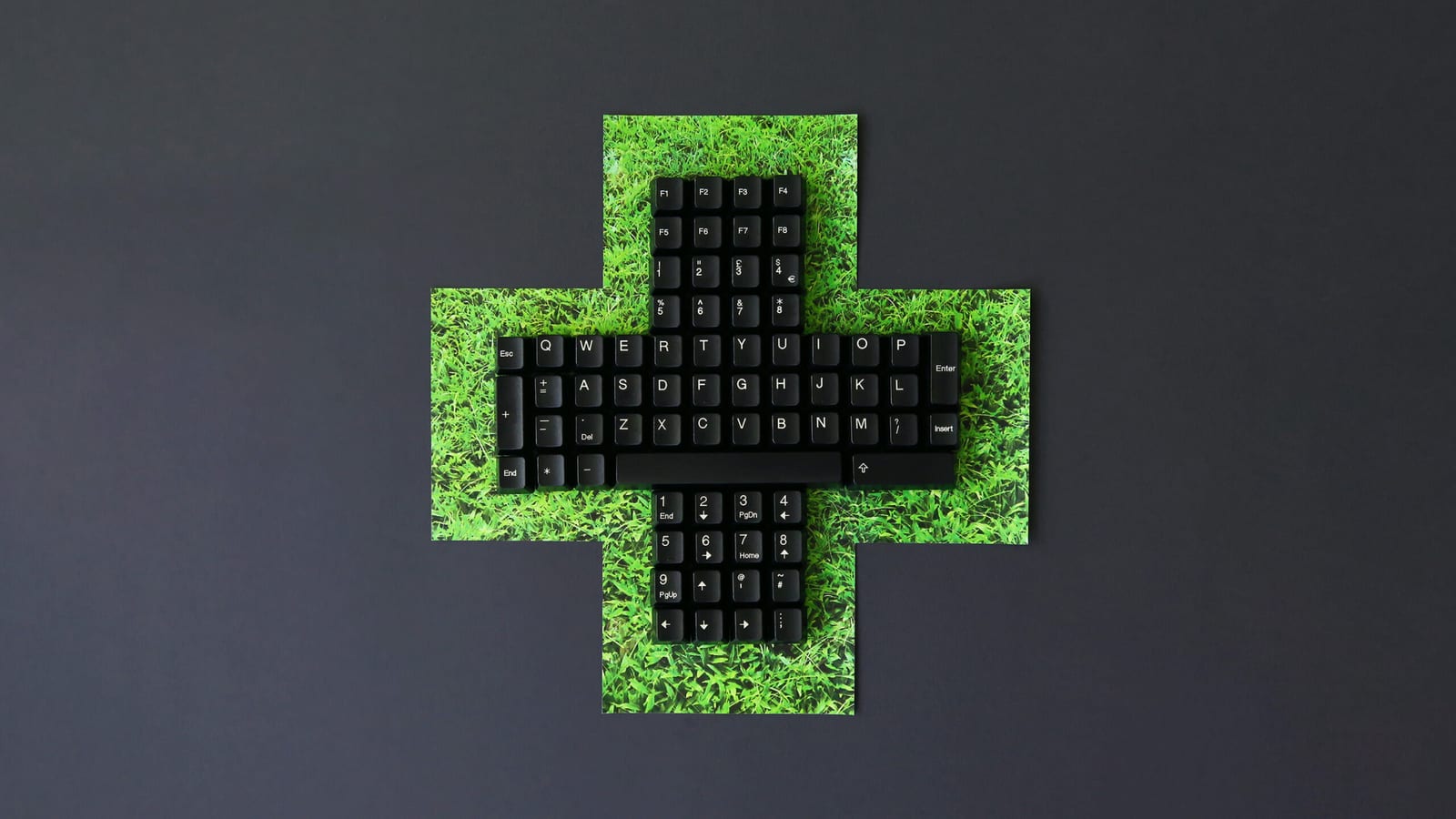
Analog Resistance: Why Mechanical Simplicity Matters in an Increasingly Digital Cycling World
The Unbearable Slowness of Being: Why do we live at 10 bits/s?
Researchers at Caltech quantify human behavioral information throughput at approximately 10 bits/s across various tasks, highlighting a vast discrepancy with the brain's sensory input capacity,...
The Computer for the 21st Century
Specialized elements of hardware and software, connected by wires, radio waves and infrared, will be so ubiquitous that no one will notice their presence

Feeling of Computing
Feeling of Computing is an online community with a welcoming, cooperative, and revolutionary spirit. We are unified in the belief that the computer is tragically less humane than it could be. There’s a world of possibilities that get more beautiful the further away from the norm you go. We’re here to explore this world together, to discuss ideas about theory and practice, and to champion and support our members’ research and development efforts to reimagine the computer.
Thinking about how computers can support intentional work. youtube.com/watch?v=Q7pbAW470qA

Attention architecture - thinking about todos, timeblocks, and calendars
www.youtube.com