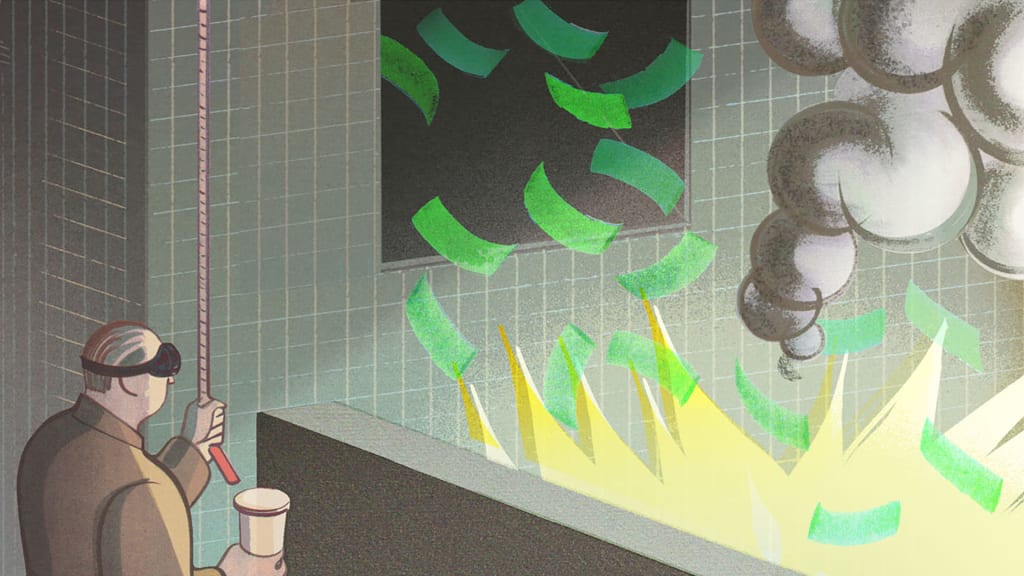
The app-enabled economy sells a fantasy of frictionlessness at a human cost
FRICTIONAL AI WORKSHOP
Topics of the Workshop In its third edition, this workshop builds on and expands its exploration of friction-in-design in AI systems, hosting a full-day event that challenges the pursuit of seamless, rapid interactions. In contrast to the conventional narrative that human over-reliance on AI stems
The Practicality of Art in Software
I've been following with great interest this series of articles by John Gruber (and Matt Birchler's related story) about the chasm between iOS and Android apps. I have some thoughts since expanding my app knowledge beyond iOS and iPadOS is one of my goals for 2023. About a month ago, during my holiday break, I

Manton Reece - Lex Friedman asks what an app is worth n...
The answer, to me, is you pay for an app if the care and attention the developer gives the app is more than you can afford to give. If the few bucks you’ll spend is worth more than the time you’d spend building your own version of the app.
What Isn’t There an App For? (Published 2015)
A writer spent three weeks trying to improve his life through apps.

Sustainable Indie Software — Helftone
We have seen a large shift in the app economy over the past 7 years which has had a huge impact on indie software. In many ways, we have regressed to state which is simply unsustainable in the long term. If you only look at the highly publicised successes, you might assume independent developers are rolling in cash. Do not be fooled, the situation on the ground, especially on iOS, is actually very different – many indies are struggling to make a living.
Design Frictions for Mindful Interactions: The Case for Microboundaries
Design frictions, a term found in popular media articles about user experience design, refer to points of difficulty occurring during interaction with technology. Such articles often argue that these frictions should be removed from interaction flows in order to reduce the risk of user frustration and disengagement. In this paper we argue that, in many scenarios, designing friction into interactions through the introduction of microboundaries, can, in fact, have positive effects. Design frictions can disrupt "mindless" automatic interactions, prompting moments of reflection and more "mindful" interaction. The potential advantages of intentionally introduced frictions are numerous: from reducing the likelihood of errors in data-entry tasks, to supporting health-behaviour change.


From Pill Mills to Prop Bets: Prediction Markets and Mobile Sports Betting Apps Are Fueling America’s Next Addiction Crisis
Against the gamblification of the world.

Quit my full time corporate job. Built an iOS game. It became #1 in the App Store. Here are revenue numbers and what I learned.
1.8K votes, 190 comments. 2.2M subscribers in the startups community. Welcome to /r/startups, the place to discuss startup problems and solutions…
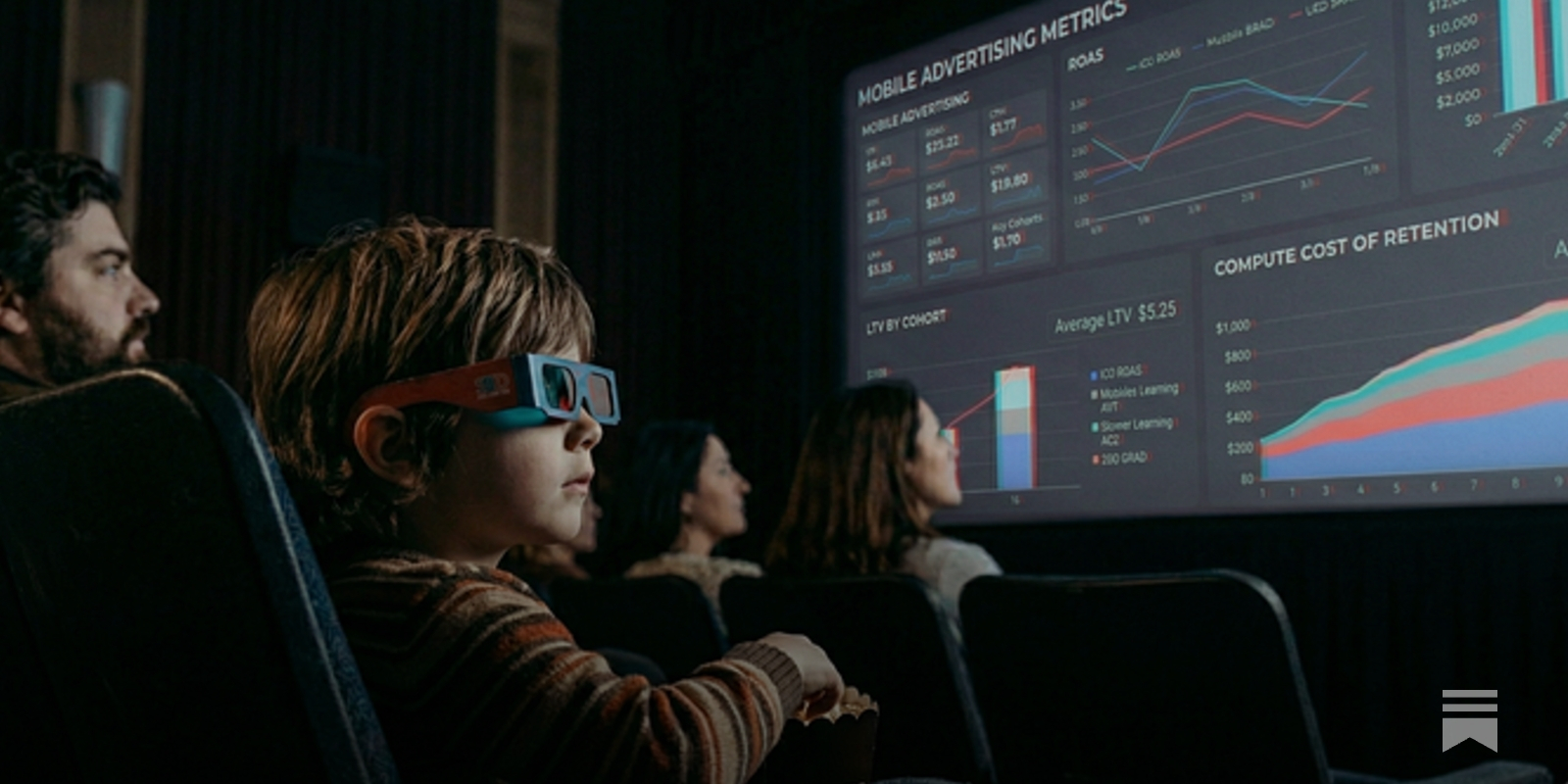
Three-Dimensional Unit Economics: The Compute Cost of Retention
Why AI-native apps need a new financial framework. And a new metric to run it.
choosing friction
In 2018, legal scholar Tim Wu wrote in the New York Times that: Today’s cult of convenience fails to acknowledge that difficulty is a constitutive feature of human experience. Convenience is all destination and no journey. This piece well predates the current AI boom, but “all destination and no journey” is a pretty good explanation for why using AI to create art is mainly compelling to people who think about creativity in terms of producing content and generating intellectual property. They just want the thing they can market and sell for money or clout; they don’t care how they got there. I know you’re sick of talking about AI. I am too. This is only a little bit about AI, I promise. Like all my writing about technology, it’s mostly about people.
You’ve Been Played
How games are being harnessed as instruments of exploitation—and what we can do about it Warehouse workers pack boxes while a virtual dragon races across...
MetaMask: Where your money lives
Buy, trade, earn, and spend, all from one app you control.

Pluralistic: Web apps could de-monopolize mobile devices (13 Dec 2022) – Pluralistic: Daily links from Cory Doctorow
Mobile tech is a duopoly run by two companies – Google and Apple – with a combined market cap of $3.5 trillion. Each company uses a combination of tech, law, contract and market power to force sellers to do commerce via an app, and each one extracts a massive commission on all in-app sales – 15-30%!
What Happens When We Become A Cashless Society? - Fast Company
Imagine a future where everything is seamlessly paid for via your phone. It's a beautiful vision—with some dangerous unintended consequences.