
Conservative movements thrive when social media connect the suburbs
The Great Social Media Diaspora
What happens when sprawling online communities fracture into politically homogenous, self-governing communities?

Shifts in U.S. Social Media Use, 2020–2024: Decline, Fragmentation, and Enduring Polarization
The social media ecosystem appears to be in flux. Twitter’s rebranding to X has come to symbolize a broader reorganization of online publics – political reshuffling, user attrition, and uncertainty over the role of legacy platforms. Simultaneously, the shift from text-based, networked feeds toward algorithmically curated, short-form video has accelerated, with TikTok setting the pace for the wider ecosystem [18, 14, 16]. At the same time, everyday communication increasingly migrates from large, open networks to semi-private spaces such as group chats and messaging apps. Commentators describe a digital public sphere in transition: smaller, more fragmented, less dominated by traditional social networking sites, and rise of more broadcast-oriented forms of media – with some even suggesting that we are seeing the beginning of the end of the social media era.
The Local Connection Crisis: New Data on What Communities Need
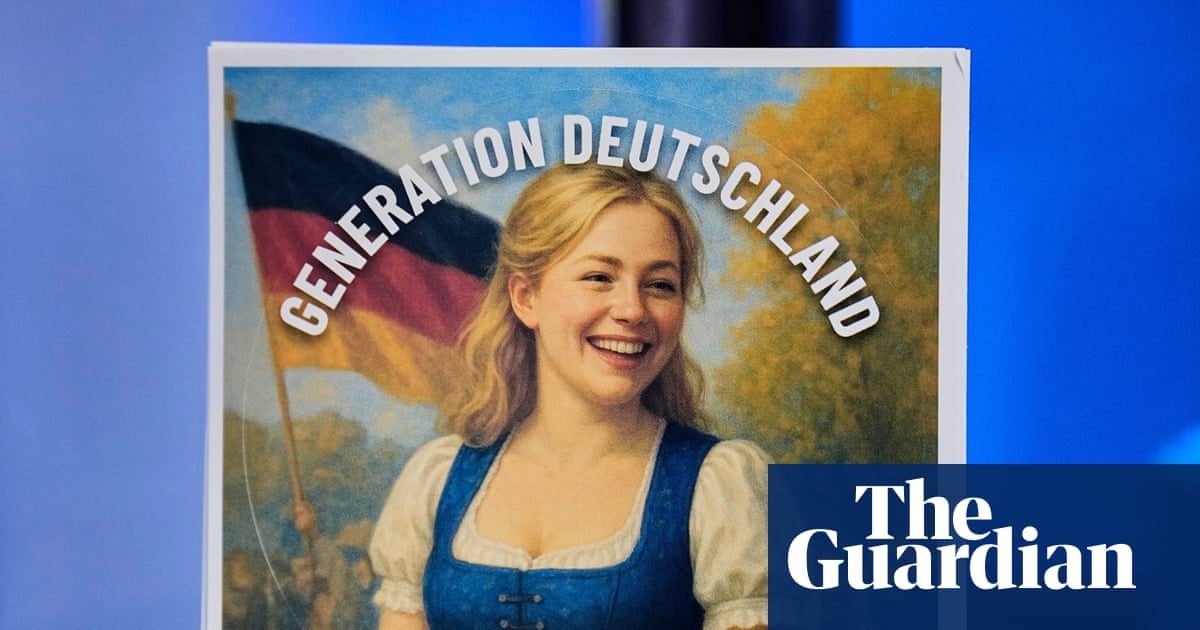
‘It’s frightening’: How far right is infiltrating everyday culture
Extremist messaging now woven into music and YouTube videos, with one expert saying: ‘You can be radicalised sitting on your couch’
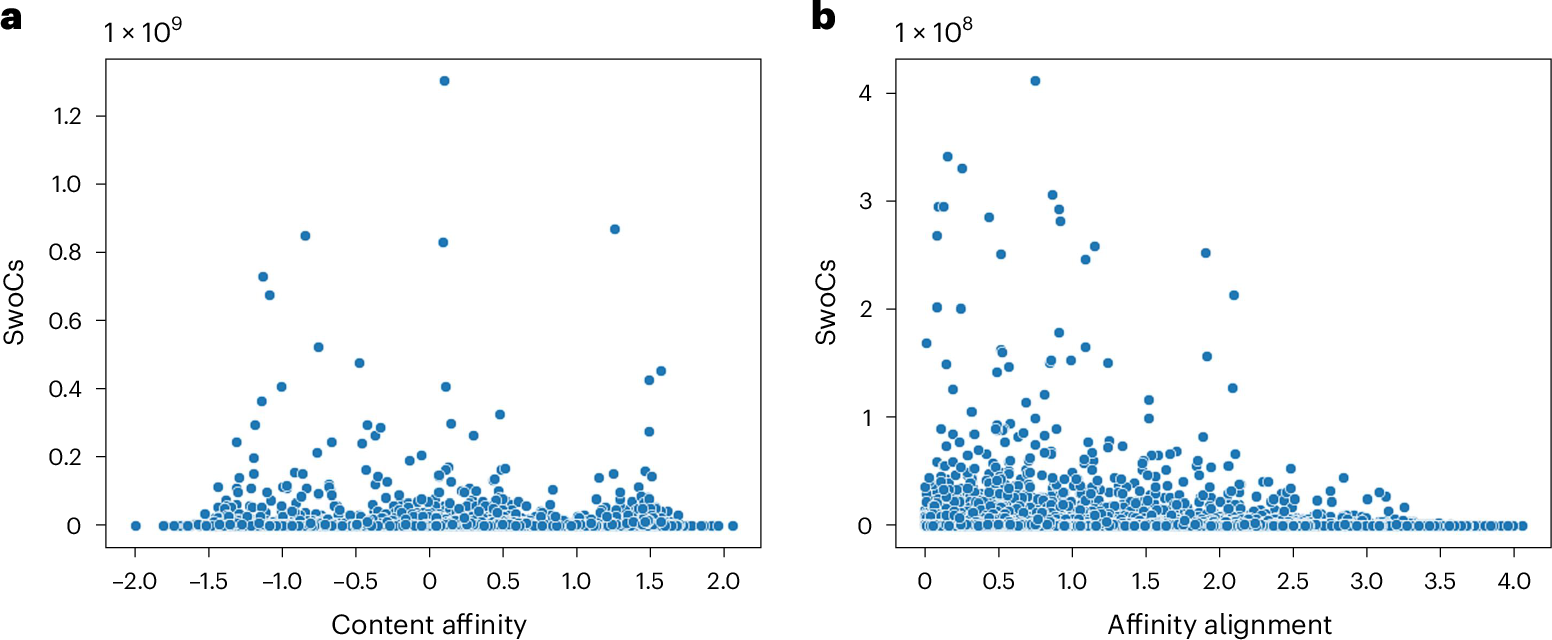
Sharing without clicking on news in social media
Social media have enabled laypersons to disseminate, at scale, links to news and public affairs information. Many individuals share such links without first reading the linked information. Here we analysed over 35 million public Facebook posts with uniform resource locators shared between 2017 and 2020, and discovered that such ‘shares without clicks’ (SwoCs) constitute around 75% of forwarded links. Extreme and user-aligned political content received more SwoCs, with partisans engaging in it more than politically neutral users. In addition, analyses with 2,969 false uniform resource locators revealed higher shares and, hence, SwoCs by conservatives (76.94%) than liberals (14.25%), probably because, in our dataset, the vast majority (76–82%) of them originated from conservative news domains. Findings suggest that the virality of political content on social media (including misinformation) is driven by superficial processing of headlines and blurbs rather than systematic processing of core content, which has design implications for promoting deliberate discourse in the online public sphere.
Shifts in U.S. Social Media Use, 2020–2024: Decline, Fragmentation, and Enduring Polarization
Using nationally representative data from the 2020 and 2024 American National Election Studies (ANES), this paper describes how U.S. social media use has shifted across platforms, demographics, and politics. Overall platform reach declined, driven by growth in the share of Americans — especially the youngest and oldest cohorts — who report using no social media. Visiting and posting activity on Twitter/X and Facebook have fallen by nearly 50% since 2020, with the decline on Twitter/X driven primarily by reduced participation among Democratic users. While Facebook, YouTube, and Twitter/X lost ground, TikTok and Reddit grew modestly, consistent with a more fragmented digital public sphere. Platform audiences aged and became slightly more educated and racially diverse. Politically, most platforms shifted toward Republican users while remaining, on balance, Democratic-leaning. Twitter/X experienced the largest change: among posters, the partisan balance swung over 70 percentage points from Democrats to Republicans. Across platforms, political posting remains closely tied to affective polarization, as the most partisan respondents are also the most active. As casual users disengage while polarized partisans remain vocal, online discourse becomes narrower and more ideologically extreme.
On Social Media and Its Discontents - Cal Newport
Split Reactions As someone who has publicly criticized the major social media platforms for years, I’ve become familiar with the common arguments surrounding this topic. ... Read more

Social Media and Politics from 2023-2025
I examine the political identities, extremity, and polarization of US adults across platforms over a 2-year national survey.
It’s time for movements to rethink social media
Movements can still find people on social media. But the real organizing has to happen somewhere else — and that's the part we keep skipping.

My 2024 thoughts on the state of social media
I see a continued fragmentation of social media as people leave X(Twitter).

Social Media | The Paper Pilot
The Paper Pilot's digital garden of thoughts on philosophy, politics, and sociology
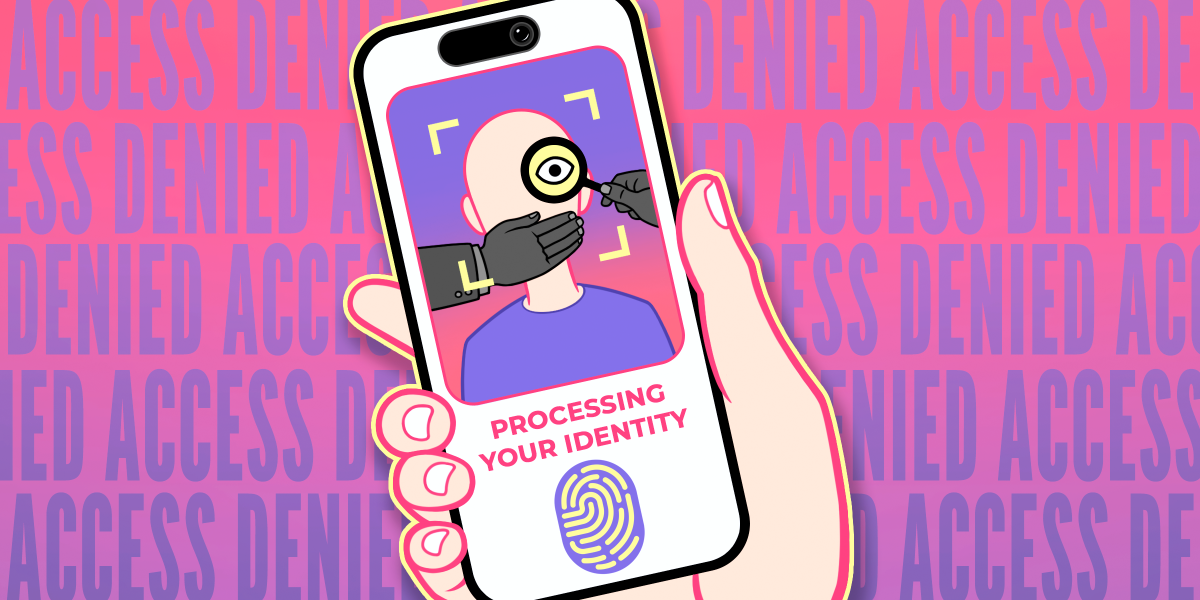
How the Meta Settlement Silences Youth Activism
Since its integration into our digital world, social media has played a pivotal role in youth organizing and social mobilization. Yet, people’s access to these platforms is increasingly coming under
Bluesky COO Rose Wang On Building a Better Social Network
Bridging Social Movements and the New Social Web (working draft) - Variable Context with @CaptainCalliope.blue
On connecting movements, media, and new protocol ecosystems to rebuild the civic, cultural, and technical foundations of a freer, more self-determining society.
Shifts in U.S. Social Media Use, 2020-2024: Decline,...
Using nationally representative data from the 2020 and 2024 American National Election Studies (ANES), this paper traces how the U.S. social media landscape has shifted across platforms,...

The Danger of Exaggerating the Political Importance of Social Media - Cal Newport
The Pew Research Center recently released a new study on American Twitter use. As Jennifer Rubin reported in the Washington Post, one of the most ... Read more