Anthropic uses Claude models, including an early snapshot of Claude Mythos Preview, to find security vulnerabilities in open-source software. We partner with external security research firms to triage findings, validate them, and report human-reviewed vulnerabilities, prioritizing critical- and high-severity ones, to the software's maintainers under our Coordinated Vulnerability Disclosure policy. This page tracks the findings that we've disclosed, and, in line with our policy, publishes details of the ones whose disclosure window has now closed.
Anthropic's coordinated vulnerability disclosure dashboard
Anthropic uses Claude models, including an early snapshot of Claude Mythos Preview, to find security vulnerabilities in open-source software. We partner with external security research firms to triage findings, validate them, and report human-reviewed vulnerabilities, prioritizing critical- and high-severity ones, to the software's maintainers under our Coordinated Vulnerability Disclosure policy. This page tracks the findings that we've disclosed, and, in line with our policy, publishes details of the ones whose disclosure window has now closed.
Patch the Planet: global response coordination as agents uncover critical vulnerabilities
Patch the Planet connects security researchers, maintainers, and incident responders to help address critical vulnerabilities across open source.
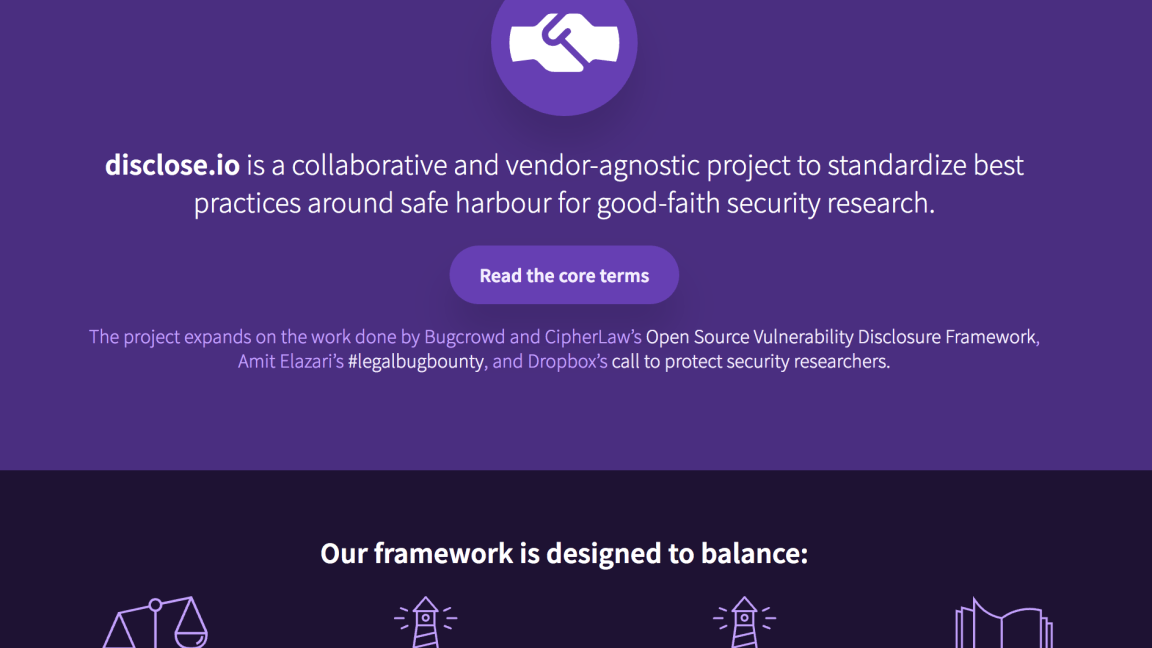
New open source effort: Legal code to make reporting security bugs safer
The Disclose.io framework seeks to standardize "safe harbor" language for security researchers.
AI CVE Slop: The Crisis Drowning Open Source Security
The proliferation of AI-generated vulnerability reports — commonly termed “AI slop” — has emerged as one of the most significant…
AI-SLOP: Develop best current practises for Open Source maintainers · Issue #178 · ossf/wg-vulnerability-disclosures
Open source projects are increasingly facing a wave of low-quality, AI-generated vulnerability reports and contributions—commonly referred to as "AI-slop." This issue aims to develop best...
OpenAI #16: A History and a Proposal
The real news today is that Anthropic has partnered with the top companies in cybersecurity to try and patch everyone’s systems to fix all the thousands of zero-day exploits found by their new model Claude Mythos.

Nicholas Carlini - Black-hat LLMs | [un]prompted 2026
A new Anthropic model found security problems ‘in every major operating system and web browser’
Nvidia, Google, Apple, Microsoft, and others will use Claude Mythos Preview to spot vulnerabilities in their systems.

“Claude Mythos doesn’t just find vulnerabilities - it exploits them” | Ctech
Anthropic restricts access to its most powerful AI model to around 40 companies, including Apple, Google, Microsoft, Amazon, Nvidia, Palo Alto Networks and CrowdStrike, as part of a $100 million cybersecurity initiative aimed at using the system to detect and patch critical software flaws before similar capabilities spread more widely across the ecosystem.
Securing CI/CD in an agentic world: Claude Code Github action case | Microsoft Security Blog
Microsoft Threat Intelligence identified a prompt injection pathway in Claude Code GitHub Action that allowed access to workflow secrets under specific conditions. This research examines the attack chain, responsible disclosure process, Anthropic's mitigation, and guidance for securing AI-powered CI/CD workflows.

Hacker, Hack Thyself
We’ve read so many sad stories about communities that were fatally compromised or destroyed due to security exploits. We took that lesson to heart when we founded the Discourse project; we endeavor to build open source software that is secure and safe for communities by default, even if there

Hacker, Hack Thyself
We’ve read so many sad stories about communities that were fatally compromised or destroyed due to security exploits. We took that lesson to heart when we founded the Discourse project; we endeavor to build open source software that is secure and safe for communities by default, even if there
Security notice — malicious version of Anthropic.claude-code (2.1.313) identified in the Cursor Extension Marketplace · Cursor
Today we identified a security incident involving a specific extension package in the Cursor VS Code extension Marketplace: Anthropic.claude-code version 2.1.313.
Security incident disclosure — July 2026
We’re on a journey to advance and democratize artificial intelligence through open source and open science.

Developer Ecosystems for Software Safety
How to design and implement information systems so they are safe and secure is a complex topic. Both high-level design principles and implementation guidance for software safety and security are well established and broadly accepted. For example, Jerome Saltzer and Michael Schroeder’s seminal overview of principles of secure design was published almost 50 years ago,10 and various community and governmental bodies have published comprehensive best practices about how to avoid common software weaknesses—for example, Common Weakness Enumeration (CWE)a and Open Worldwide Application Security Project (OWASP) Cheat Sheet Series.b

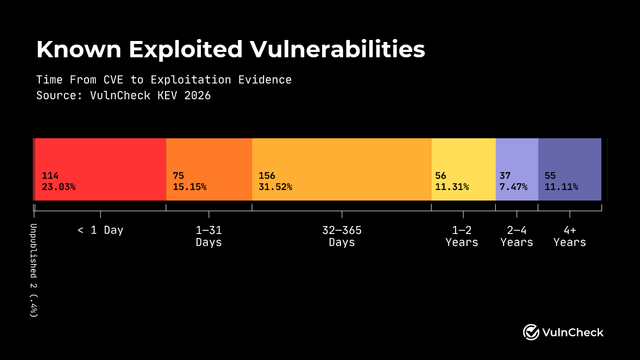
Just a rumour of a bug is enough to find a security exploit these days
Thinking through how the conventional OSS security embargoes no longer buy us time, and what open source maintainers might do instead to respond