A CRIME WAVE setting
When police pull back: Neighborhood‐level effects of de‐policing on violent and property crime, a research note
Abstract Many U.S. cities witnessed both de‐policing and increased crime in 2020, yet whether the former contributed to the latter remains unclear. Indeed, much of what is known about the effects of proactive policing on crime comes from studies that evaluated highly focused interventions atypical of day‐to‐day policing, used cities as the unit of analysis, or could not rule out endogeneity. This study addresses each of these issues, thereby advancing the evidence base concerning the effects of policing on crime. Leveraging two exogenous shocks presented by the onset of the coronavirus 2019 (COVID‐19) pandemic and social unrest after the murder of George Floyd, we evaluated the effects of sudden and sustained reductions in high‐discretion policing on crime at the neighborhood level in Denver, Colorado. Multilevel models accounting for trends in prior police activity, neighborhood structure, seasonality, and population mobility revealed mixed results. On the one hand, large‐scale reductions in stops and drug‐related arrests were associated with significant increases in violent and property crimes, respectively. On the other hand, fewer disorder arrests did not affect crime. These results were not universal across neighborhoods. We discuss the implications of these findings in light of debates concerning the appropriate role of policing in the 21st century.

Predictive Policing and the Politics of Patterns
Abstract Patterns are the epistemological core of predictive policing. With the move towards digital prediction tools, the authority of the pattern is rearticulated and reinforced in police work. Based on empirical research about predictive policing software and practices, this article puts the authority of patterns into perspective. Introducing four ideal-typical styles of pattern identification, we illustrate that patterns are not based on a singular logic, but on varying rationalities that give form to and formalize different understandings about crime. Yet, patterns render such different modes of reasoning about crime, and the way in which they feed back into policing cultures, opaque. Ultimately, this invites a stronger reflection about the political nature of patterns.

Victoria's crime crisis is turning, but a looming election means everything
Fresh data shows crime levels may be beginning to plateau, but as the state election looms, the political crisis fuelled by the community's perception of safety shows little sign of easing.

Urban America Reconsidered by David L. Imbroscio | Paperback | Cornell University Press
The aftermath of Hurricane Katrina laid bare the tragedy of American cities. What the storm revealed about the social conditions in New Orleans shocked many Americans. Even more shocking is how widespread these conditions are throughout much of urban...
The 15-minute city isn’t a conspiracy: it’s already here
Conspiracy theorists have the plot wrong but the symptom right: economic hardship is already limiting how far people can go

More Evidence that Immigrants - Including Illegal Ones - Have Much Lower Crime Rates than Natives
A new Cato Institute study further refutes claims that illegal migration is somehow causing a crime wave.


Can Anarchy Protect Us From Bad People?
Youth crime down as Victoria's crime rate continues to fall
Home invasions, carjackings and robberies all fell in the 12 months to the end of June, but police say their work is "far from over".
Raincouver Rocks by Aileen Lalor on Surf
Surf - Views and what to dos from Canada's wettest, westest city.

Why Cities Boom While Towns Struggle
The jobs gap is also a jobs map: Places that succeed have a critical mass of creativity.

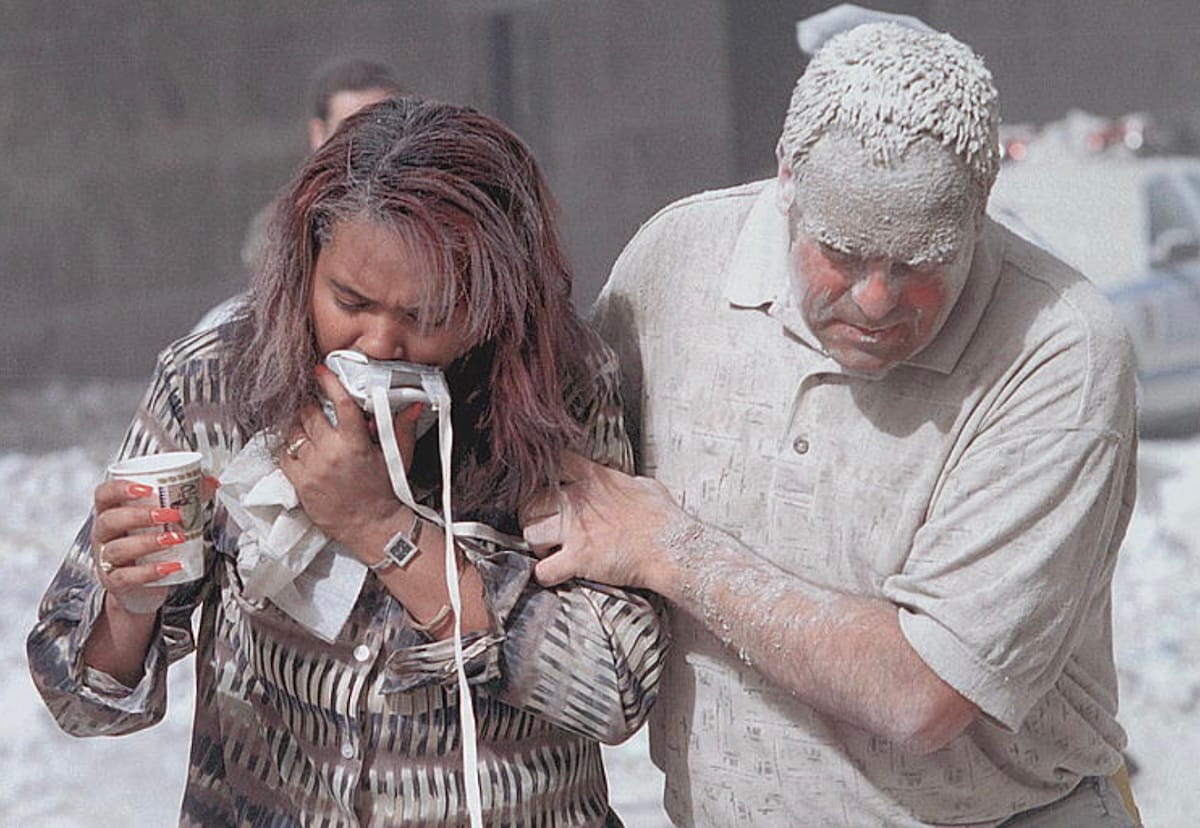
Confronting New York City's Lies About Toxic Air After 9/11
Plus, a selection of some of the best writing on 9/11, and more news to take you into the weekend.
Police Abolition | The Paper Pilot
The Paper Pilot's digital garden of thoughts on philosophy, politics, and sociology
Flânerie without Politics: The Middle-Class Fetishization of the City
The middle-class spectacle of urban decay.