


Chapter Four: Languages



Theming atproto · blog.damato.design
Taking Mise en Mode into the new web standard
Design for Developers — Web Witch
A companion site for the Design for Developers book, rebuilt to practice the fundamentals the book teaches.
Frontend Minimalism in Action: Do More With Less JavaScript | Peter Kröner | webinale Berlin 2026
On forking the Web
This document contains a set of informal notes on how to build an alternative specification to the Web, in such a way that hopefully prevents many of its drawbacks while still preserves many of the good points. This document is not an specification, and is therefore subject to change over time.
The Elephant in the Room: Web design work is drying up | Hacker News
- A "web designer" or "web developer" used to be a generalist who wrote HTML, CSS, and some jQuery. Now there's a demand for specialization: a UI/UX designer who can prototype, iterate quickly, and use real data if possible, and a UI/UX engineer who can develop large-scale apps with an eye towards security, performance, reusability, and maintainability.
Why is WebAssembly a second-class language on the web? – Mozilla Hacks - the Web developer blog
This post is an expanded version of a presentation I gave at the recent WebAssembly CG meeting in Munich. WebAssembly has come a long way since its first release in 2017. The 1.0 version of WebAssembly was already a great fit for low-level languages like C and C++, and immediately enabled many new kinds of applications to efficiently target the web.

Rethinking the creative web: Part 3 — Towards a new read/write web
Part 3 looks towards a future inhabited by new tools, behaviours, and standards that champion user agency and creativity on the open web.

Brutalist Web Design
Guidelines for web design that adhere to the tenets and ethos of Brutalism
How to Fix the Web | Brave
The Web is always in trouble for some reason or other. I remember when Microsoft came after Netscape and threatened to lock Web standards into IE. Only the Web is so big, with such reach to billions of users, that no one owns it. This means it will always be contested ground.
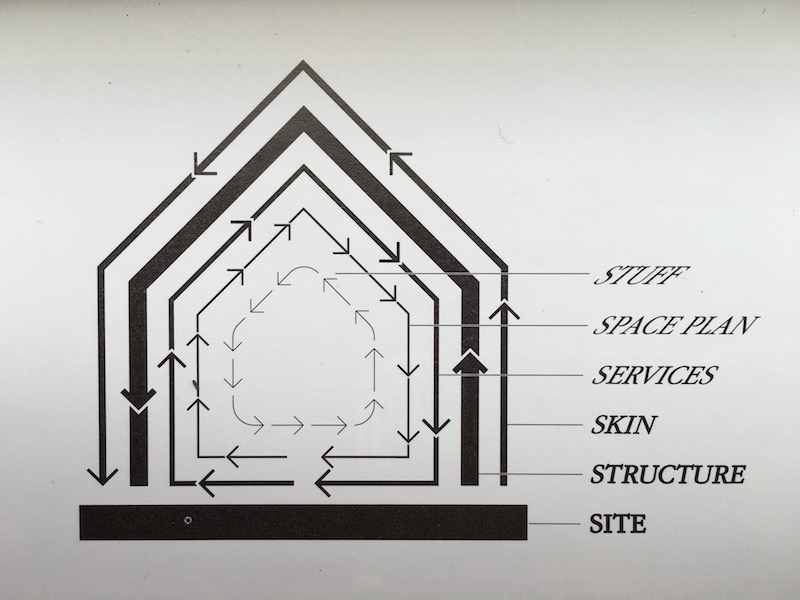
Webdesign as architecture
An attempt at modelling digital design as a form of psychological architecture, taking the form of a single HTML document.
Close to the metal: web design and the browser
Websites have evolved over the years, but in the name of evolution, there seems to be mistaken thinking that the process of building a website needs to get more complex, using Javascript frameworks and modern backend systems; when at the end of the day, browsers still only need static HTML content to interpret.
Design* tools

Not necessarily *design* design (also includes links related to web design in a broad sense or maybe even just like, posting things online)
moss — A website that outlives every platform

Editable — the website you can edit on the page
Figma Plugins for Design Systems (by B. Prendergast) — Semble
human.json
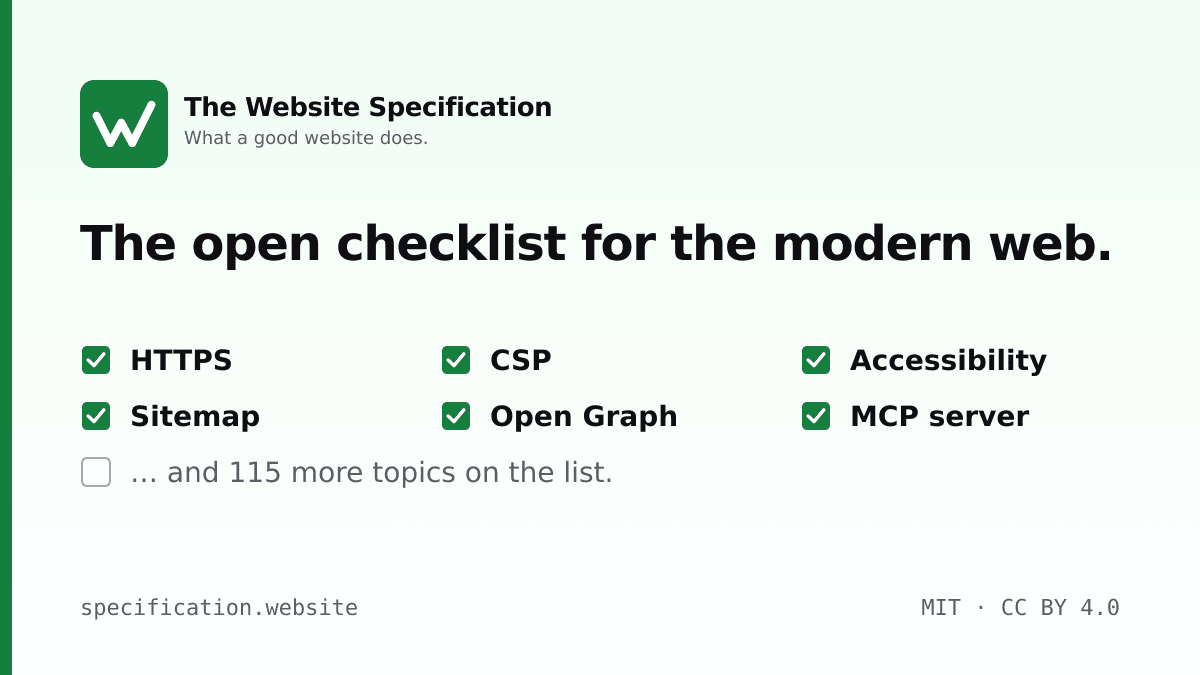
The Website Specification
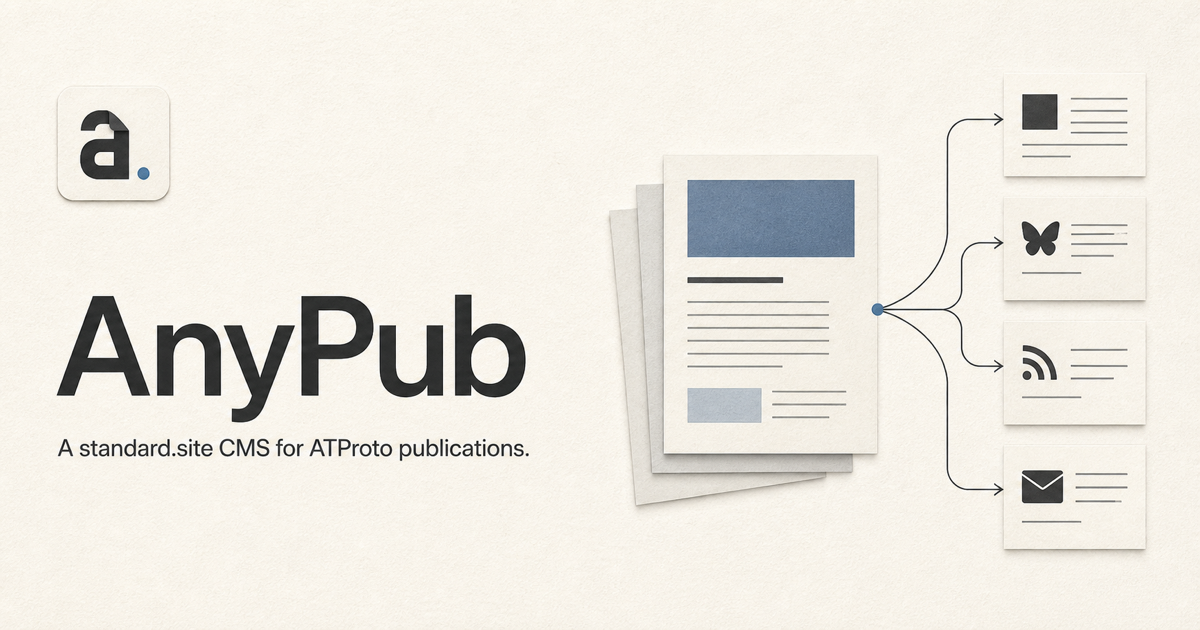
AnyPub