


Technology should bring out the best in humanity, not the worst—a manifesto for resonant computing built on five principles that reject hyper-scale extraction for human flourishing.
The “Resonant Computing Manifesto” is not very good

The Resonant Computing Manifesto by Techdirt
Resonant Computing Lab
A movement is quietly gaining momentum. For some time, the Resonant Computing Manifesto circulated among a small circle of technologists and thinkers. Within days of going public, more than 1,200 signatories—including Alan Kay, Peter Wang, Tim O'Reilly, Kevin Kelly and Esther Dyson—joined the call for software that serves human agency.
Why I Didn’t Sign the Resonant Computing Manifesto: The Foundations Need Work
The Resonant Computing Manifesto speaks to humane tech, but its foundations don't address issues of power, accountability, and community. I wrote this to name what’s missing and suggest commitments that would give this manifesto teeth.
Resonant Computing Theses
Theses on Resonant Computing Resonant computing is not a dogmatic or rigid paradigm, but a vision for the future of digital technology that we’re collectively defining in real time. The theses on this page are an ongoing experiment in collective intelligence, where anyone who builds or uses techn...

A Fireside Chat on Resonant Computing: Why we wrote the manifesto and where we go from here - ATmosp
Feeling of Computing
Feeling of Computing is an online community with a welcoming, cooperative, and revolutionary spirit. We are unified in the belief that the computer is tragically less humane than it could be. There’s a world of possibilities that get more beautiful the further away from the norm you go. We’re here to explore this world together, to discuss ideas about theory and practice, and to champion and support our members’ research and development efforts to reimagine the computer.

Thoughtful, capable, and ethical computing ⋅ elementary OS
Thoughtful, capable, and ethical computing
Scale deep — The Systems Sanctuary
The world calls us to shift our mindsets and values from outdated ways of being and doing rooted in dominance, hierarchy and harmful systems, towards new ways rooted in relationship, collaboration and innovation.

Sustainable software manifesto
The systems we build are never neutral. They can magnify harm or support a just and sustainable society. How we build today shapes tomorrow’s possibilities.
B. Scot Rousse: "Language, Technology, & Care"
Care at the Edge of Automation – Topos Institute
Technologies don’t just solve problems, they change us. We invent technologies, and they invent us in turn, shaping our lives and worlds. This is the phenomenon that Terry Winograd and Fernando Flores, in Understanding Computers and Cognition (1986), called “ontological design.” It matters now more than ever—along with a second lesson they saw clearly. Technological research is always guided (and sometimes misguided) by deep ontological assumptions about, e.g., the nature of cognition, agency, and communication. If we are to create technologies that truly serve human flourishing and care, we must bring these hidden assumptions into the open and question them at their roots.

Technology is Not Values Neutral: Ending the Reign of Nihilistic Design
We fail to take tech seriously when we do not grasp its full impact on humans
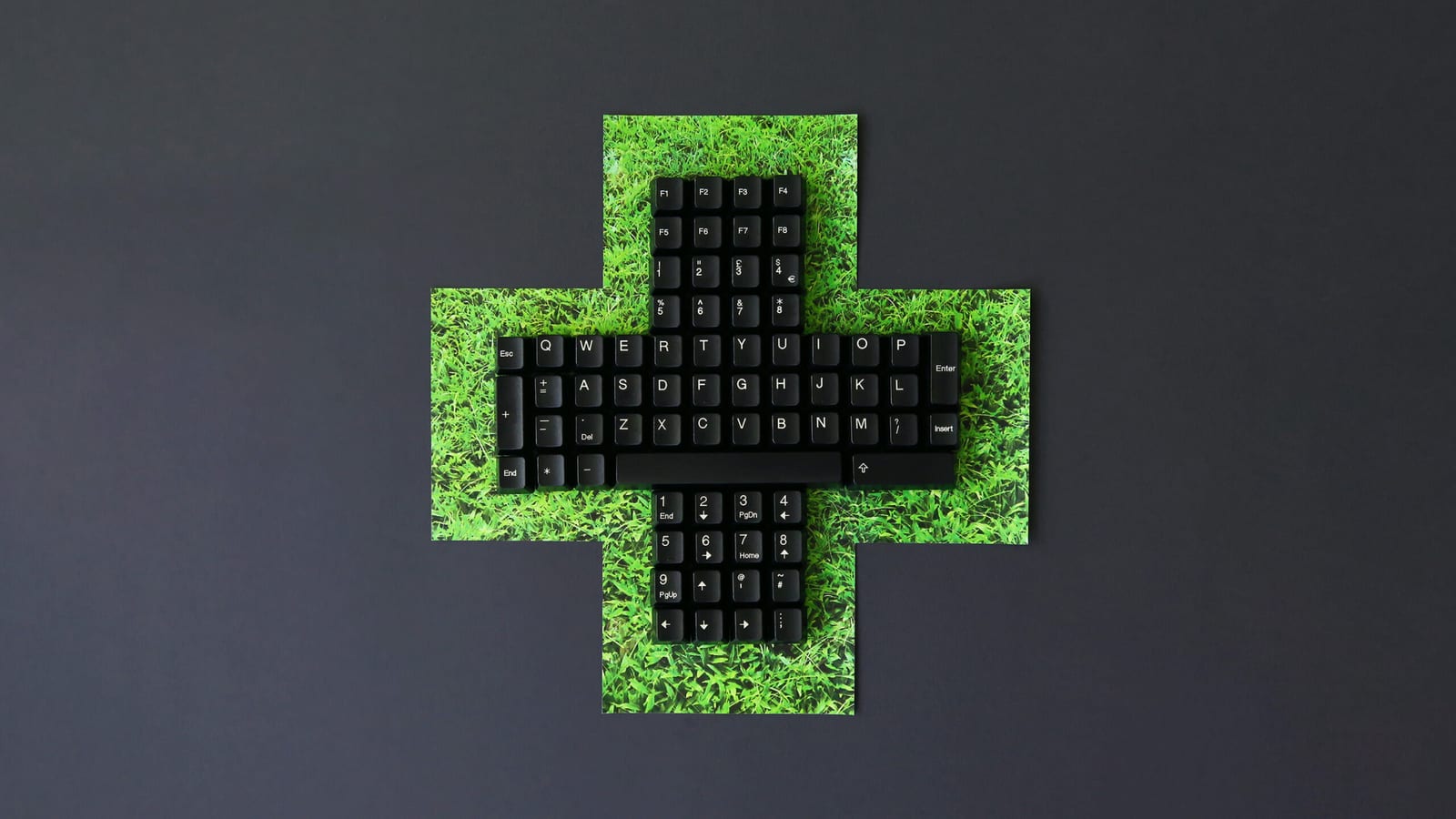
Feeling of Computing — Conversations
What if technology didn’t feel so… hollow? Some friends and I just released a manifesto about a world where tech leaves us feeling nourished (along with an evolving list of theses about how we can build it) resonantcomputing.org

The Resonant Computing Manifesto
resonantcomputing.org