


A record number of people are leaving the Philippines to work in Taiwanese factories, where they face long shifts, low pay, and unequal treatment.
A look inside the factory around which the modern world turns
How one Taiwanese firm uses unrivalled technology to dominate the world’s chip-making industry

Workers from Myanmar speak on daily abuse at Hokkaido farm | The Asahi Shimbun Asia & Japan Watch
SAPPORO—Six Myanmar nationals gave a tearful account here of the daily physical abuse they endured on a farm in Kyogoku, Hokkaido.
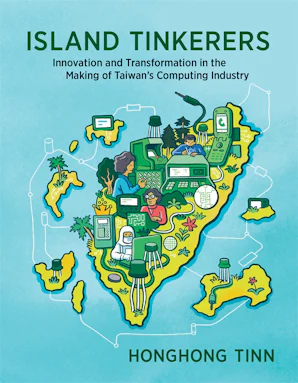
Island Tinkerers
How did Taiwan, a former Japanese colony and the last fortress of the defeated Chinese Nationalists, ascend to such heights in high-tech manufacturing? In Is...
I Saw the Face of God in a Semiconductor Factory
As the US boosts production of silicon chips, an American journalist goes inside TSMC, the mysterious Taiwanese company at the center of the global industry.

Opinion | In Silicon Valley, Working 9 to 5 Is for Losers (Published 2017)
A century ago, factory workers went on strike to demand better conditions. Today, start-up “hustlers” celebrate their own exploitation.


Stanford professor: "The workplace is killing people and nobody cares" - Fast Company
From the disappearance of good health insurance to the psychological effects of long hours, the modern workplace is taking its toll on all of us.

Labor Market Adaptation to Rising Import Competition
In Places versus People: The Ins and Outs of Labor Market Adjustment to Globalization (NBER Working Paper 33424), David Autor, David Dorn, Gordon H. Hanson, Maggie R. Jones, and Bradley Setzler examine how local labor markets and the workers in these markets adjusted to increased Chinese import competition in the first two decades of this century. They analyze comprehensive employer-employee data from the Census Bureau’s Longitudinal Employer-Household Dynamics program over the 2000–19 period. Their analysis exploits location-specific variation in the impact of growing imports from China following China’s accession to the World Trade Organization (WTO) in 2001, which is due to the heterogeneity in industry composition across local labor markets.

'We all suffer': why San Francisco techies hate the city they transformed
Amid a homelessness crisis, sky-high rent and a surplus of rich people, insiders bemoan the effects of their own industry


Tech Workers: Friends or Foes?
Tech workers’ high pay doesn’t mean they’re not workers — and it won’t always protect them from their bosses.

Bangladesh: Wage protests force hundreds of garment factories to close
These factories, which manufacture for brands like H&M and Uniqlo, rely on millions of lowly paid workers.

New Study Confirms That U.S. Workers Are Getting Ripped Off
U.S. workers get a smaller share of growth, less job security, and fewer unemployment benefits than laborers in nearly every other developed country.

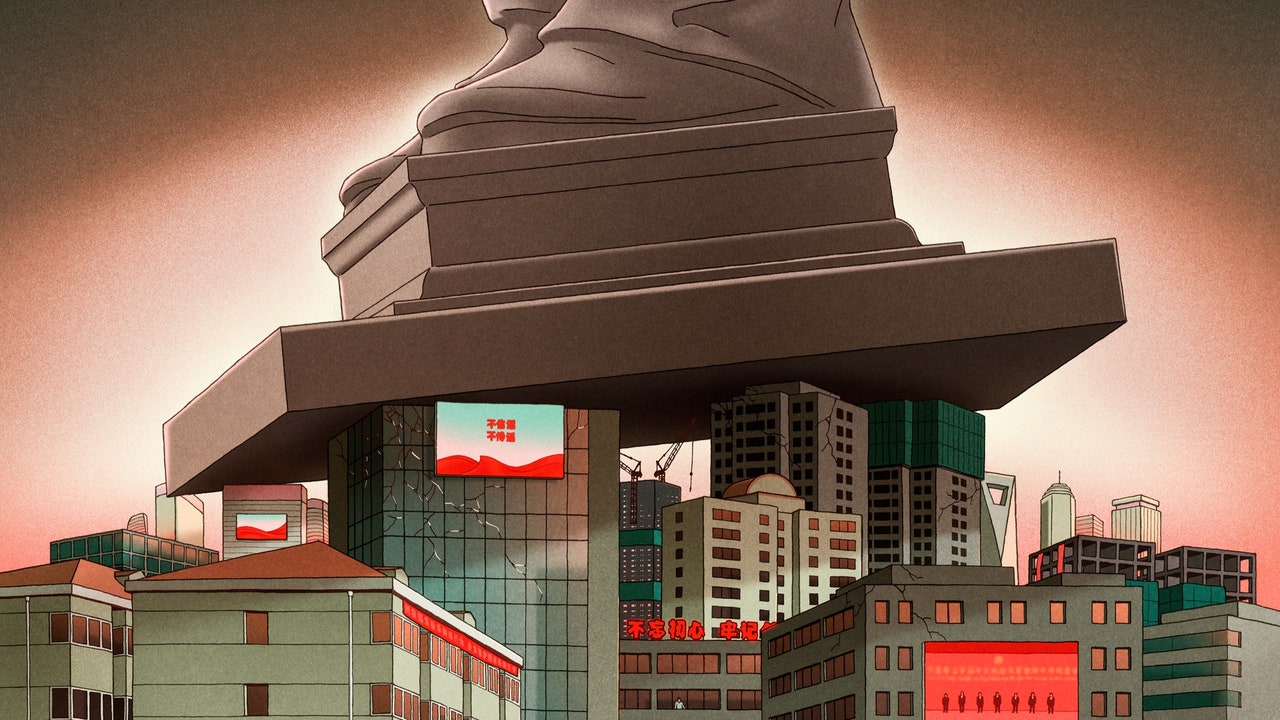
China’s Age of Malaise
Party officials are vanishing, young workers are “lying flat,” and entrepreneurs are fleeing the country. What does China’s inner turmoil mean for the world?
Bangladesh union bureaucracy betrays garment workers’ struggles against poverty wages
As the BNP government unleashed police violence against workers, union leaders called on them to end their struggles.