


Artificial intelligence consumes less water per dollar spent than almond milk or golf, according to a new study from Enverus Intelligence Research.
AI’s energy usage is less than previously thought | Waterloo News
Contrary to popular belief, new research finds that the use of artificial intelligence has a minimal effect on global greenhouse gas emissions and may actually benefit the environment and the
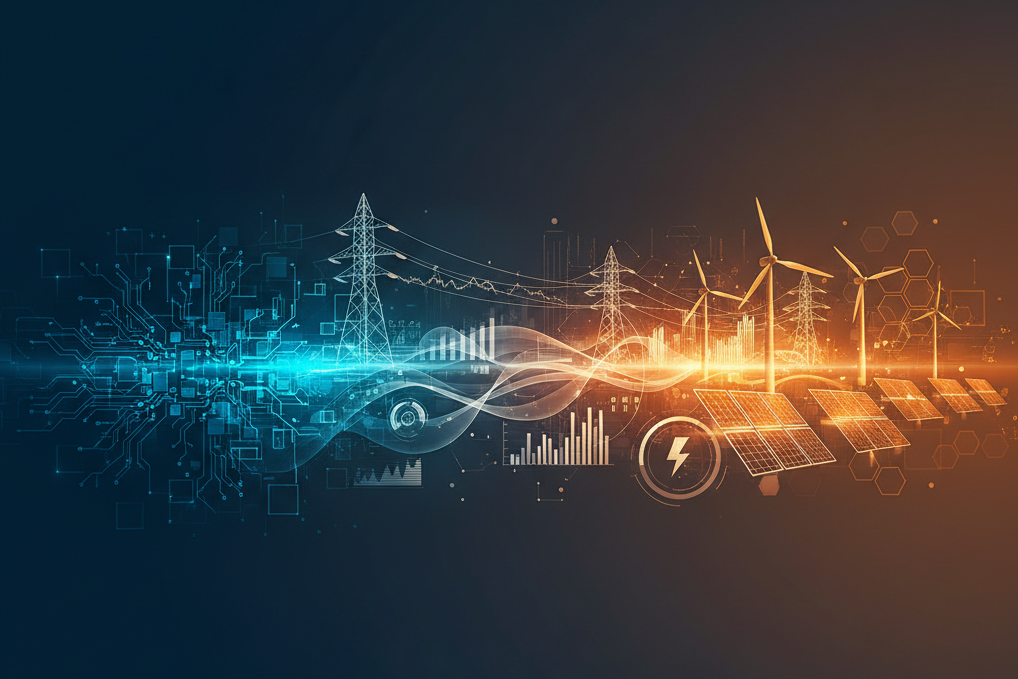
AI Water Use Distractions and Lessons for California • California WaterBlog
By Jay Lund . . . Artificial intelligence (AI) will affect many economic and natural resource sectors as these new technologies develop and mature. We are in the early years of this process. Like most new things, AI has become an object of small and great hopes and fears – from hopes for saving and
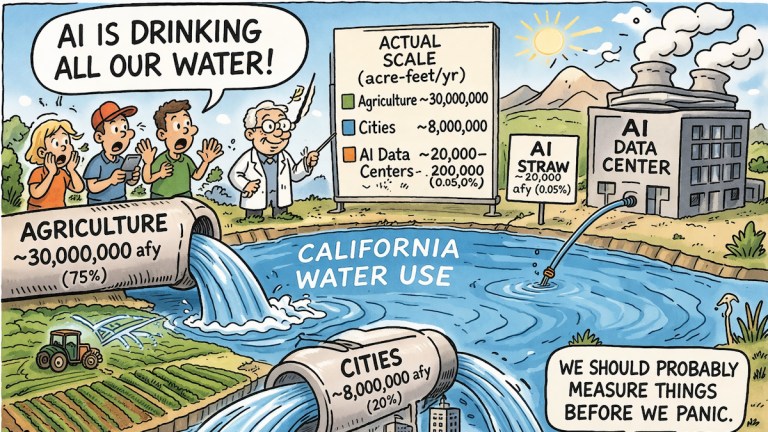
How much of a problem is AI’s water use?
AI’s water footprint is growing, but location and cooling technology make a difference.

Our minds did not evolve for AI
AI is mental junk food: tasty and tempting, but ultimately unhealthy — a cognitive hot dog

Paper page - Making AI Less "Thirsty": Uncovering and Addressing the Secret Water Footprint of AI Models
Join the discussion on this paper page

Environmental Cost of Artificial Intelligence: Carbon, Water, and Land Footprints
AI’s rapid growth drives huge energy, water, and land use, raising environmental and equity challenges across its global infrastructure.
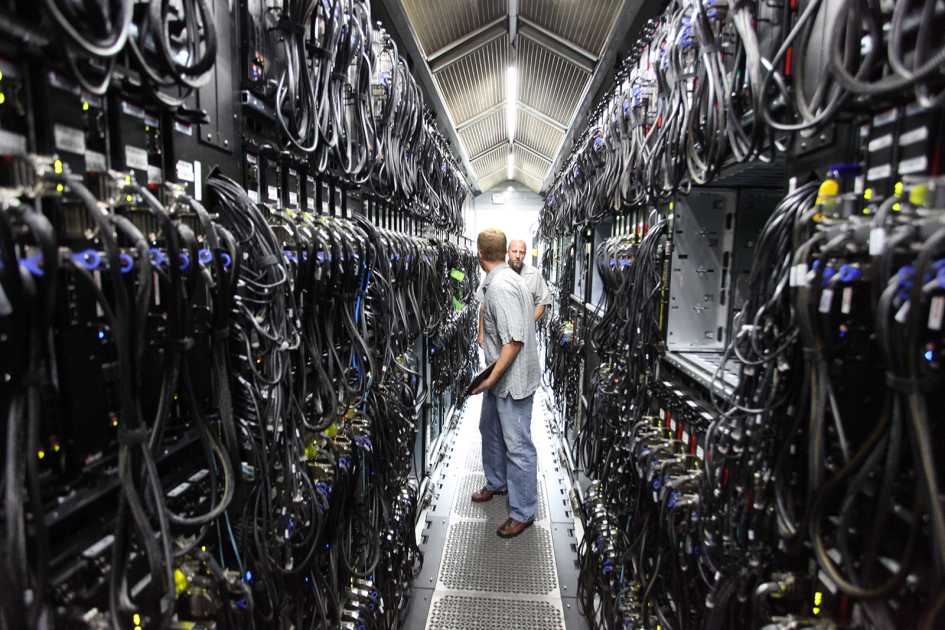
Environmental Cost of Artificial Intelligence: Carbon, Water, and Land Footprints
AI’s rapid growth drives huge energy, water, and land use, raising environmental and equity challenges across its global infrastructure.
AI’s climate impact is much smaller than many feared
New findings challenge the widespread belief that AI is an environmental villain. By analyzing U.S. economic data and AI usage across industries, researchers discovered that AI’s energy consumption—while significant locally—barely registers at national or global scales. Even more surprising, AI could help accelerate green technologies rather than hinder them.

Will AI really consume more electricity than the US produces? - Poynter
President Trump said AI could need nearly twice the nation’s electricity, but credible projections put its future share at no more than 25%
The Simple Macroeconomics of AI
This paper evaluates claims about large macroeconomic implications of new advances in AI. It starts from a task-based model of AI’s effects, working through aut

The Global Energy and Emissions Footprint of AI Diffusion
The Impact of AI on Global Energy, Emissions, Water Use, and More
Perspective: AI demand is inflated, and only Anthropic is being realistic
The main usage metric for artificial intelligence, called tokens, looks explosive on paper, but it may be significantly overstated.

Data center guzzled 30 million gallons of water and nobody noticed for months
Can AI save us from the AI industry’s endless thirst for water? Outlook not so good.

AI Needs Your Help
Artificial Intelligence is facing a crisis: humans are consuming far too many precious resources that AI needs to thrive. Every sip of water you take and every light you turn on could be sustaining the AI systems that uphold your digital conveniences.

Our minds aren’t equipped to handle AI
AI is junk food for the mind: easy, tempting and ultimately very bad for you.
