The evolution of cyber spying technology presents new and rising dangers; coupled with the easy justification for use of the on-going terrorist crisis these dangers have now become major threats to the international security system. This article aims to provide analysis of these threats, using the new software Pegasus as a focal point of discussion. Developed by the Israeli ‘cyber-warfare’ company ‘NSO’, this spyware signals a danger not only to security but freedom of the press and journalistic integrity. This paper’s focus will centre on how this software is used for censorship rather than to combat terrorism and will examine the social and political ramifications of said use. As highlight, the case of UAE activist Ahmed Mansoor and his contemporaries who were writing against authoritarian governments will be discussed. This article will urge that strict global legislation is needed to stop the abuse of spyware as a tool of censorship.
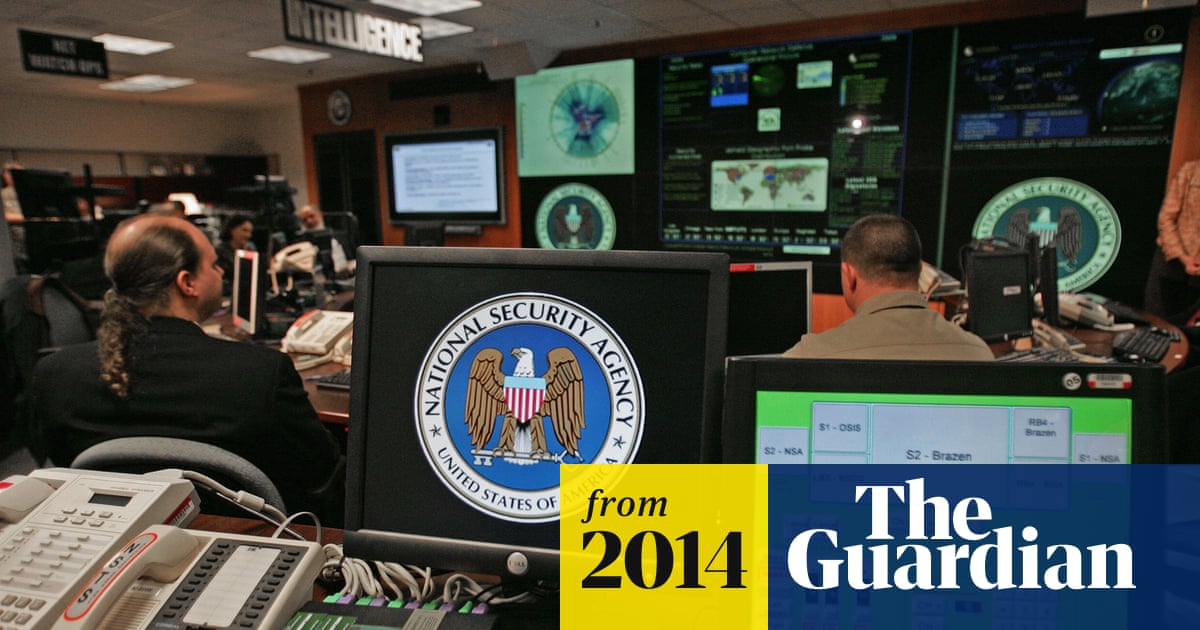
Privacy under attack: the NSA files revealed new threats to democracy
We now know the apparatus of repression has been attached to the democratic state, but our struggle for privacy is far from hopeless. By Eben Moglen
"Pushed into the Shadows": Evidencing Digital Surveillance Chilling Effects and the Erosion of the Rights to Freedom of Assembly and of Association
SummaryThe United Nations Special Rapporteur on the Rights to Freedom of peaceful assembly and of association, Gina Romero, presents "Pushed into the Shadows: Evidencing digital surveillance chilling effects and the erosion of the rights to freedom of assembly and of association". This Global Study documents the profound impact that pervasive digital monitoring exerts on fundamental public freedoms. Moving beyond traditional privacy-centric narratives, the Study details how contemporary surveillance ecosystems induce serious chilling effects.

The Tor Project | Privacy & Freedom Online
Defend yourself against tracking and surveillance. Circumvent censorship.
An Attack on Tech Freedom, an Assault on Dissent
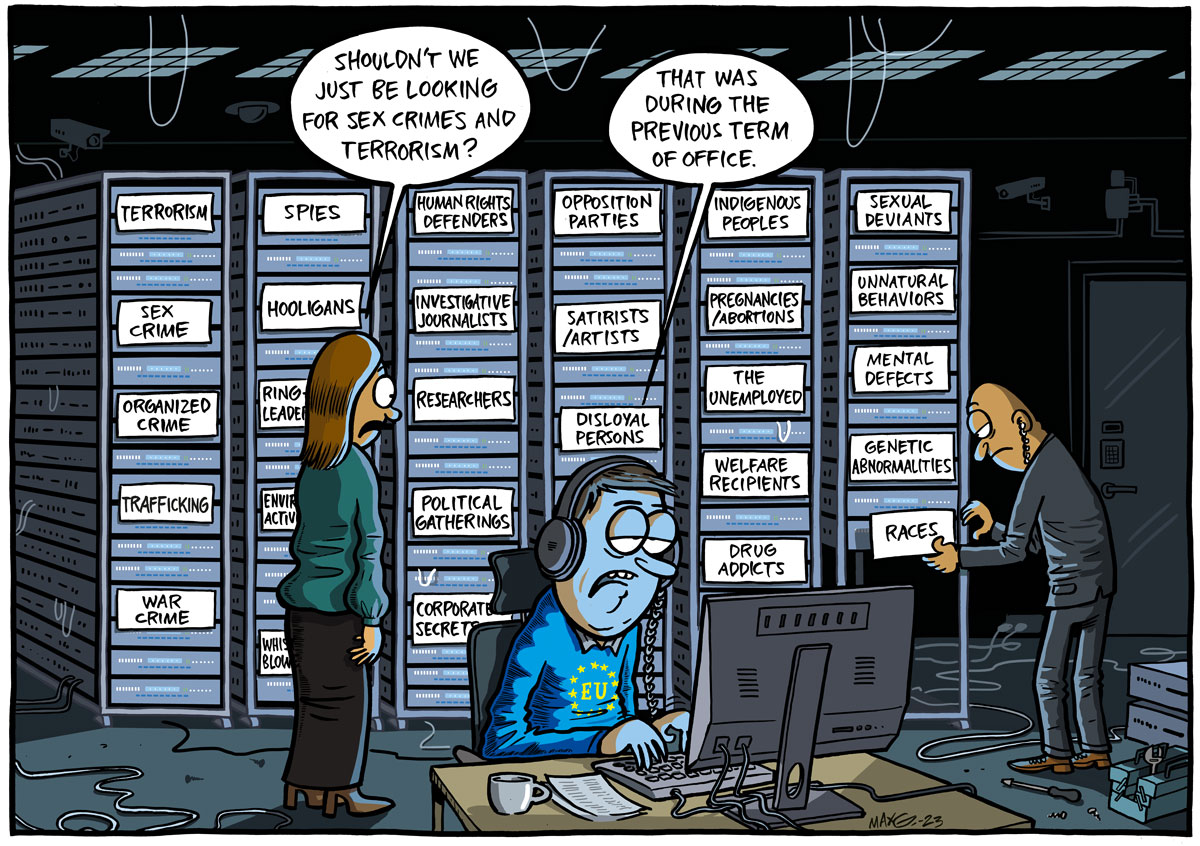
We live in a world of surveillance states, militarized police, and crackdowns on dissent. Meanwhile, corporate behemoths will often ally with the state to shut down dissident speech or aid and abet surveillance. In this context, it’s important for independent groups to develop and maintain encrypted communications platforms and independent web hosting. But the Trump...
To Repress or to Co‐opt? Authoritarian Control in the Age of Digital Surveillance
This article studies the consequences of digital surveillance in dictatorships. I first develop an informational theory of repression and co-optation. I argue that digital surveillance resolves dicta...

Chat Control & Going Dark: The war on encryption is on the rise. Through a shady collaboration between the US and the EU.
After Snowden’s whistleblowing in 2013, large parts of the internet became encrypted, enabling private and secure communication. Not everyone has welcomed this change. Most notably, the FBI and other U.S. government agencies have fought what is often called the “crypto wars”, the war on encryption. In recent years, they have been joined by the European Commission. Under the slogan “what about the children,” they try to introduce total mass surveillance of all EU citizens — first through the proposed Chat Control legislation, and later via the Going Dark and ProtectEU initiatives. The goal is to legally mandate spy tools on every European smartphone and computer. The forces behind these efforts have turned out to be American tech companies and intelligence agencies.
+KAOS: Ten Years of Hacking and Media Activism
At the end of the 20th century, hacking was bleeding edge. When the ideas, practices and pranks of this experimental niche of technophiles attracted the attention of a handful of activists in Italy, they understood that information and communication were what would give shape and voice to social, political, and cultural processes in the near future. +KAOS is a cut and paste of interviews, like a documentary film transposed on paper. It describes the peculiar relationship between hacktivism and activism, in Italy and beyond, highlighting the importance of maintaining digital infrastructures. While this may not sound as glamorous as sneaking into a server and leaking data, it is a fundamental topic: not even the most emblematic group of hacktivists can operate without the services of radical server collectives. Autistici/Inventati (https://www.autistici.org - https://www.inventati.org)

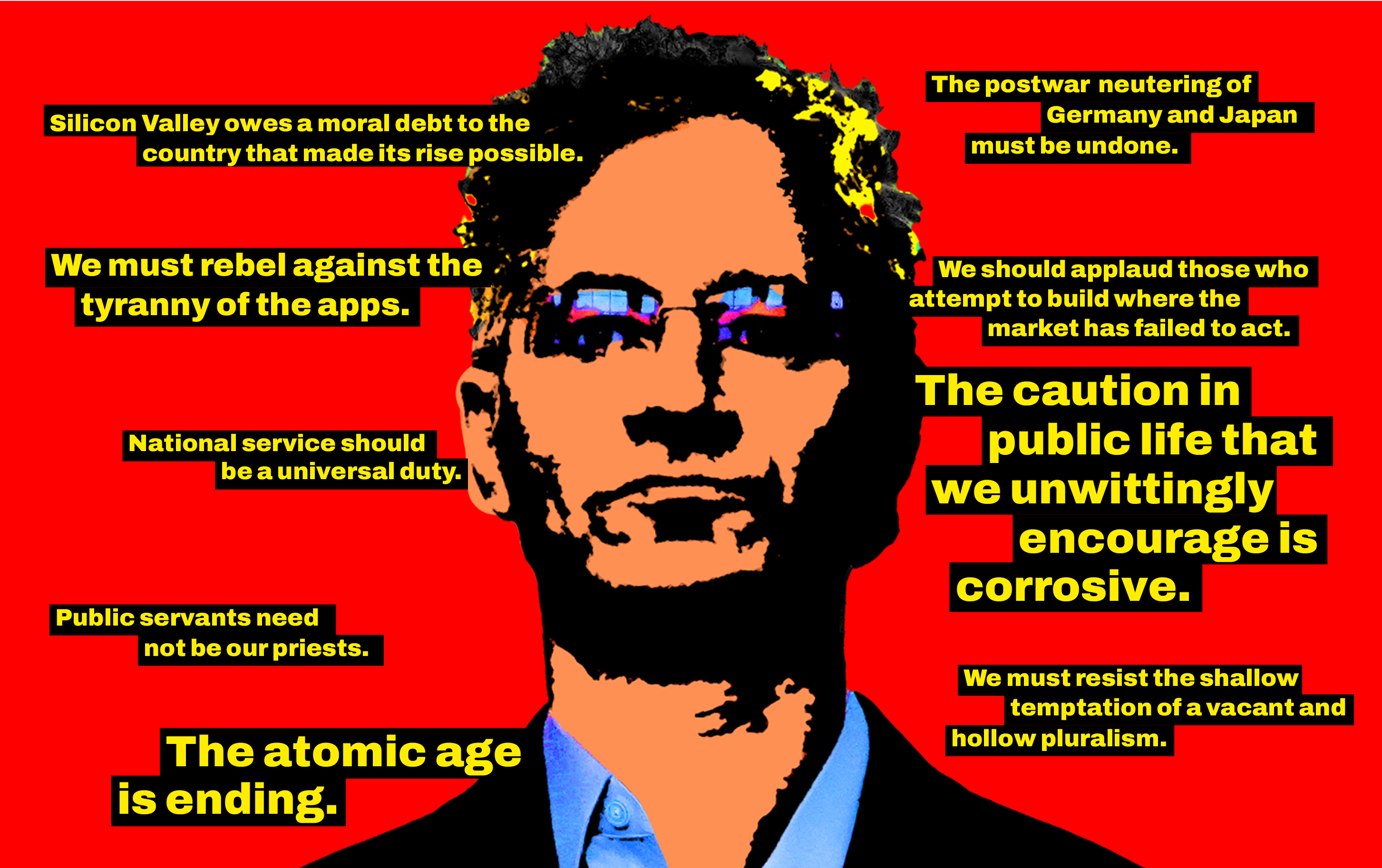
Palantir's social media manifesto is a blueprint for technofascism
The surveillance firm’s viral X post calls for hard power, conscription and the end of pluralism. AI expert and academic Mark Coeckelbergh on what happens when technology becomes the gateway to authoritarianism
‘A million calls an hour’: Israel relying on Microsoft cloud for expansive surveillance of Palestinians
Revealed: The Israeli military undertook an ambitious project to store a giant trove of Palestinians’ phone calls on Microsoft’s servers in Europe
The Internet Coup: A Technical Analysis on How a Chinese Company is Exporting The Great Firewall to Autocratic Regimes | InterSecLab
This research reveals groundbreaking findings on how Geedge Networks is selling an extensive suite of next-generation digital repression tools to client governments around the world.

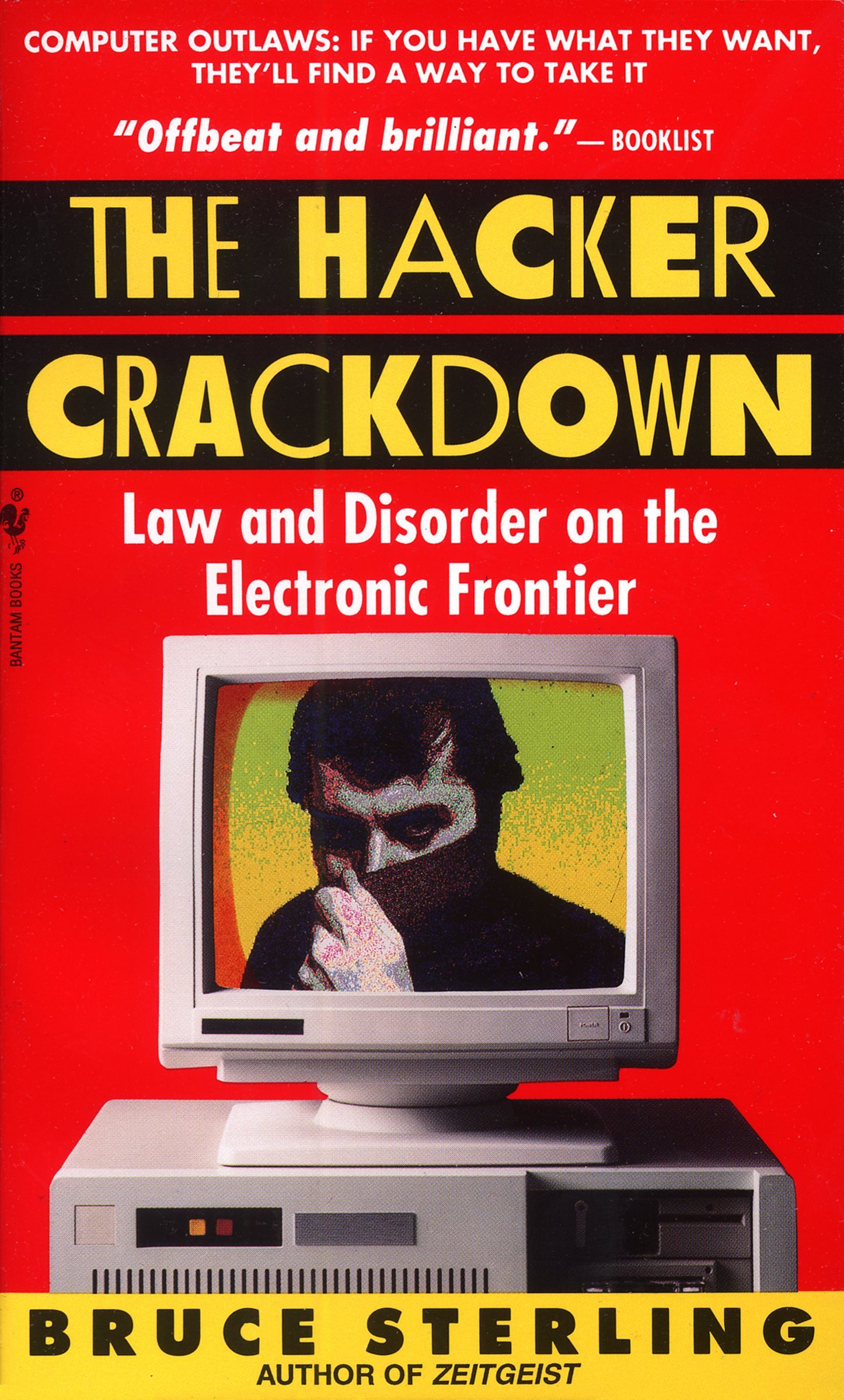
The hacker crackdown: law and disorder on the electronic frontier
A journalist investigates the past, present, and future…
The Server Called Paranoia: Defend Autistici/Inventati Before September 25 – Sabot Media
For twenty-five years, an Italian hacker collective has built communications infrastructure designed to survive censorship, surveillance and police raids. On August 26, the United States designated it a terrorist organization. On September 25, the wind-down period ends.
Law and Borders - the Rise of Law in Cyberspace
Global computer-based communications cut across territorial borders, creating a new realm of human activity and undermining the feasibility--and legitimacy--of

Pluralistic: Surveillance is inequality’s stabilizer (26 Jun 2025) – Pluralistic: Daily links from Cory Doctorow
The "dictator's dilemma" pits a dictator's desire to create social stability by censoring public communications in order to prevent the spread of anti-regime messages with the dictator's need to know whether powerful elites are becoming restless and plotting a coup:
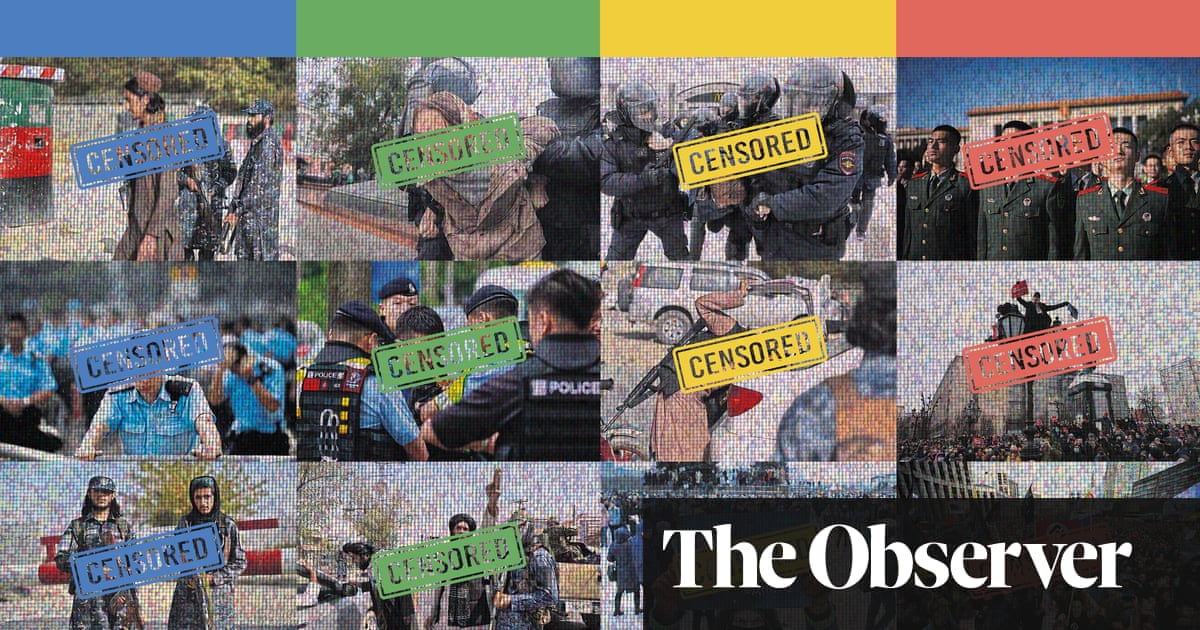
Revealed: Google facilitated Russia and China’s censorship requests
An investigation has exposed the tech firm’s cooperation with autocratic regimes to remove unfavourable content
U.S. Press Freedom Tracker
The U.S. Press Freedom Tracker is a project that aims to comprehensively document press freedom incidents in the United States — such as the arrests of journalists, seizures of their equipment, interrogations and searches at the U.S. border, subpoenas to testify about sources, leak prosecutions and physical attacks. The Press Freedom Tracker documents cases across the country, involving national, state and local authorities.