

Sepp Holzer was doing permaculture before he ever heard the word. To my knowledge, his farm is, by far, the best example of permaculture...
Permacomputing
Permacomputing is a term originating from the demoscene, known for squeezing the most out of very restricted computing resources, such as the 4k intro with a maximum executable file size of 4096 bytes. Artist programmer Ville-Matias Heikkilä, aka Viznut, coined the term in a text he published on his website in 2020 1. What stands out in this writing is the holistic approach to computing and sustainability by taking inspiration from permaculture. In both computing and agriculture, problems are usually solved by increasing control over a process, which often goes hand in hand with an increase in resource use. Permaculture uses methods that lets nature do the work, minimizing the reliance on artificial energy. Heikkilä sees similarities between how both permaculture practitioners and hackers find clever solutions to problems. He writes that the existence of computers can only be justified by their ability to augment the potential of humans to have a strengthening effect on ecosystems.
Sepp Holzer's Permaculture: A Practical Guide to Small-Scale, Integrative Farming and Gardening
Sepp Holzer farms steep mountainsides in Austria 1,500 meters above sea level. His farm is an intricate network of terraces, raised beds, ponds, waterways and tracks, well covered with productive fruit trees and other vegetation, with the farmhouse neatly nestling amongst them. This is in dramatic contrast to his neighbors' spruce monocultures.In this book, Holzer shares the skill and knowledge acquired over his lifetime. He covers every aspect of his farming methods, not just how to create a holistic system on the farm itself, but how to make a living from it. Holzer writes about everything from the overall concepts, down to the practical details.In Sepp Holzer's Permaculturereaders will learn: How he sets up a permaculture system The fruit varieties he has found best for permaculture growing How to construct terraces, ponds, and waterways How to build shelters for animals and how to work with them on the land How to cultivate edible mushrooms in the garden and on the farm and much more! Holzer offers a wealth of information for the gardener, smallholder or alternative farmer yet the book's greatest value is the attitudes it teaches. He reveals the thinking processes based on principles found in nature that create his productive systems. These can be applied anywhere.

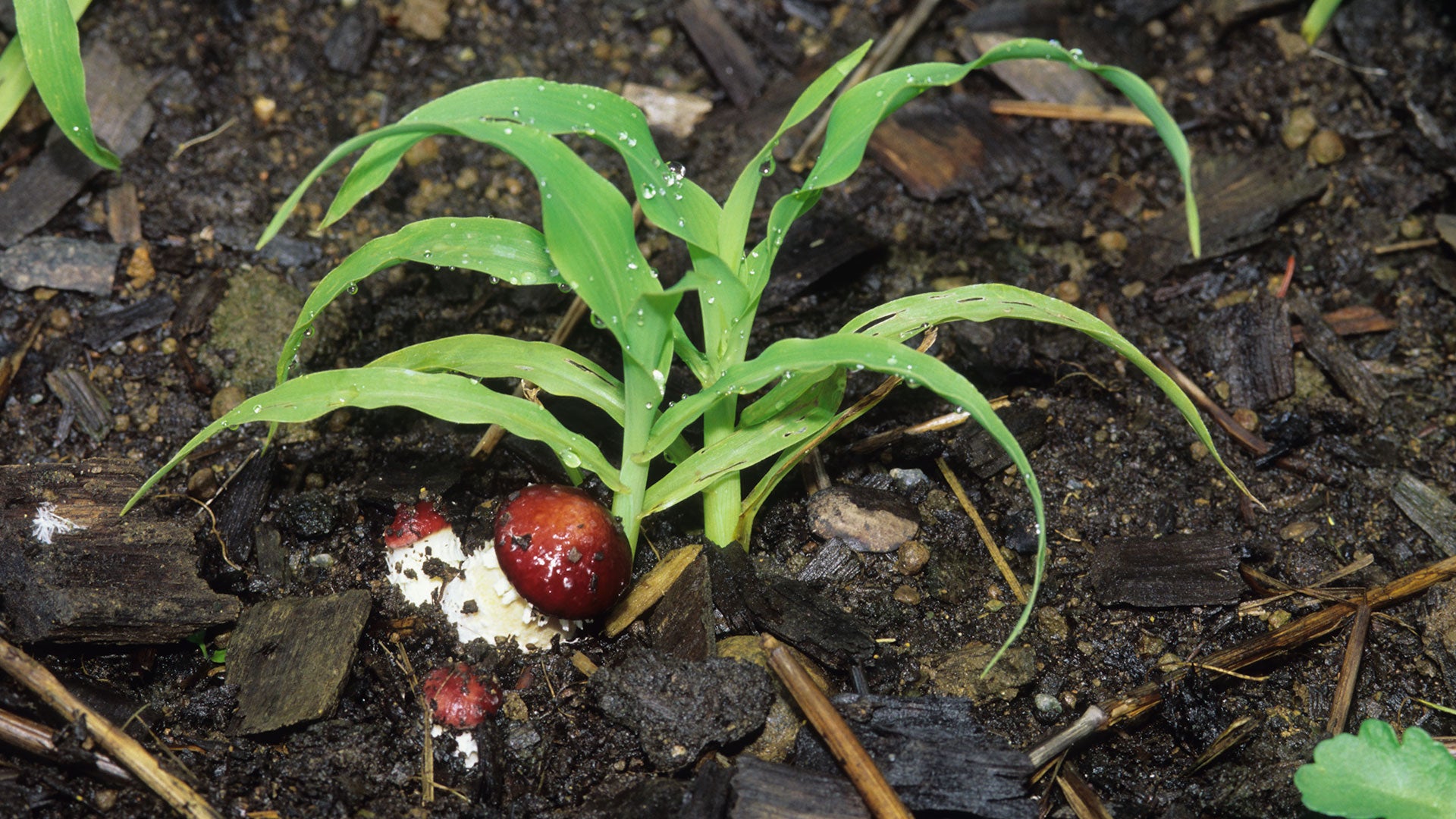
Permaculture with a Mycological Twist
Reprinted from Growing Gourmet and Medicinal Mushrooms by Paul Stamets, ©1994, all rights reserved. Permaculture is a concept pioneered by Australian Bill Mollison and literally means "permanent agriculture". His model of biological diversity and complementary agricultural practices promotes a sustainable environment v
Permacomputing | viznut
This is a collection of random thoughts regarding the application of permacultural ideas to the computer world.
Permacomputing | viznut
This is a collection of random thoughts regarding the application of permacultural ideas to the computer world.
Permacomputing Update 2021 | viznut
It is now more than a year since I wrote my "early notes" about Permacomputing. At that time, I was not yet aware of anyone else having similar ideas, so I've now decided to write an update that connects my ideas with the existing discussions and activities. I also want to share some new ideas I have been pondering about. This text is about 33K characters / 4900 words long, so allocate your time accordingly.
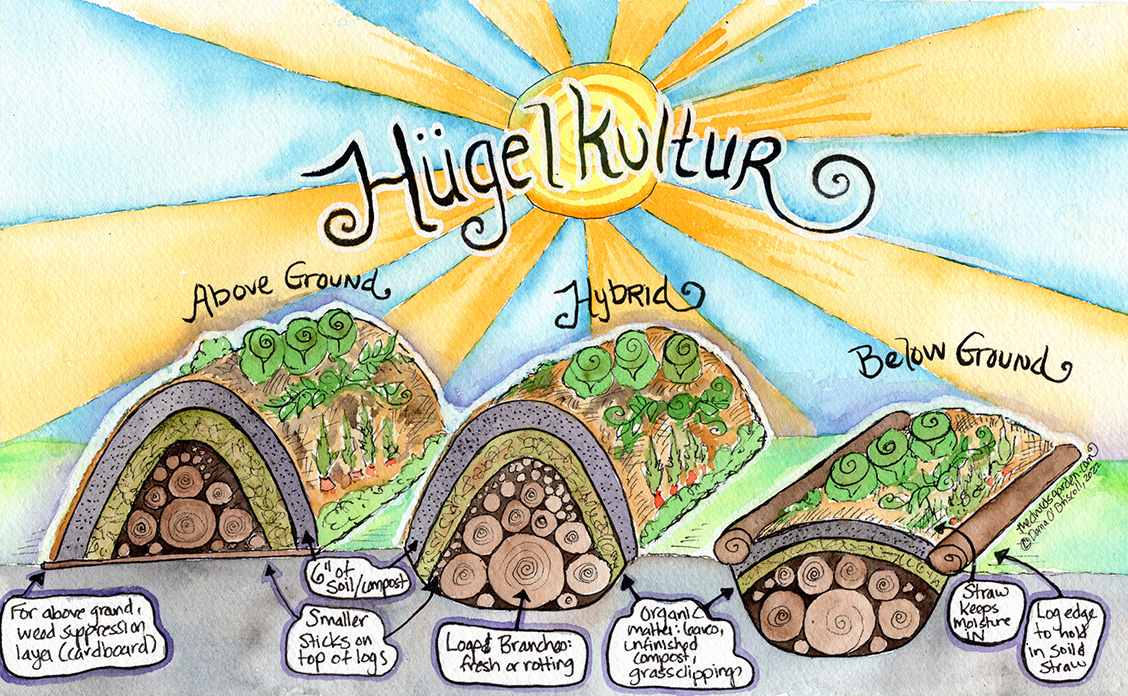
Ultimate Guide to Hugelkultur Garden Beds: Creating, Maintaining, and Benefits - The Druids Garden
Hugelkutltur (or Hugel for short) is a garden bed technique that uses wood and layers of plant matter, topped with compost, to build up moisture-holding beds over time. Hugelkultur beds were first described in Sepp Holzer's Permaculture book and are now a common technique in permaculture practice. They are common because they are very resilient,
permacomputing
Permacomputing is both a concept and a community of practice oriented around issues of resilience and regenerativity in computer and network technology inspired by permaculture. ପໄଓ☾☼✫ -☆:*´
principles
Contemporary permaculture is founded on three core ethics: Earth Care, People Care, and Fair Share. These ethics serve as a guiding compass for its design principles, co-creating a holistic framework for regenerative living. Similarly, permacomputing is built upon 10 principles that encourage and raise awareness about more sustainable digital practices.
Permacomputing
Editor's note: As a programmer, media artist and educator teaching and working with computation and digital media, the nascent community and thinking around permacomputing has helped frame my own thinking and response to the wasteful and consumption-oriented nature of digital electronics and computation. This interview by Counter-N with two early thinkers on the concept of permacomputation provides a strong introduction to the concept and related movements.
Permaculture YouTube channels
54 votes, 39 comments. 378K subscribers in the Permaculture community. A community for like-minded individuals to discuss permaculture and…
Collections: Bread, How Did they Make it? Part III: Actually Farming
Thanks to our helpful volunteer narrator, this entire post series is now also available in audio format! As the third part (I, II, III, IV, A) of our look at the basic structure of food production …

Home - Urban Harvest
URBAN HARVEST FARMERS MARKET EVERY SATURDAY 8AM-12PMInterested in Community Gardens, learn more about our growing community.Want to learn more about Permaculture Program? We Teach Classes! Interested in Community Gardens, learn more about our growing communityStart the New Year Fresh at the Farmers Market!Want to learn more about Permaculture Program? We Teach Classes! JOIN US SATURDAY […]

Permacomputing
Permacomputing is a computing design philosophy which aims to improve resilience by using regenerative design in computer and network technology. It is inspired by permaculture.[1] Permacomputing approaches to computing often involve paying more attention to the life-cycle of hardware (including re-use and designing for older hardware),[1] using low-level languages such as FORTH that have greater operability with older hardware, and fostering a more mindful relationship with technology.[2]
Permacomputing, conservation & indigenous ways

Permaculture-aligned process in art, technology, and design.

Oberth effect

Mottainai
Thinning