

Some background on me: I’m a software engineer working in what I call “usable security”. I’m passionate about this field because advancements can tangibly improve people’s lives, making their computing experiences easier and accounts more secure at the same time. This post contains some of my personal thoughts. It does not represent anyone else or [...]
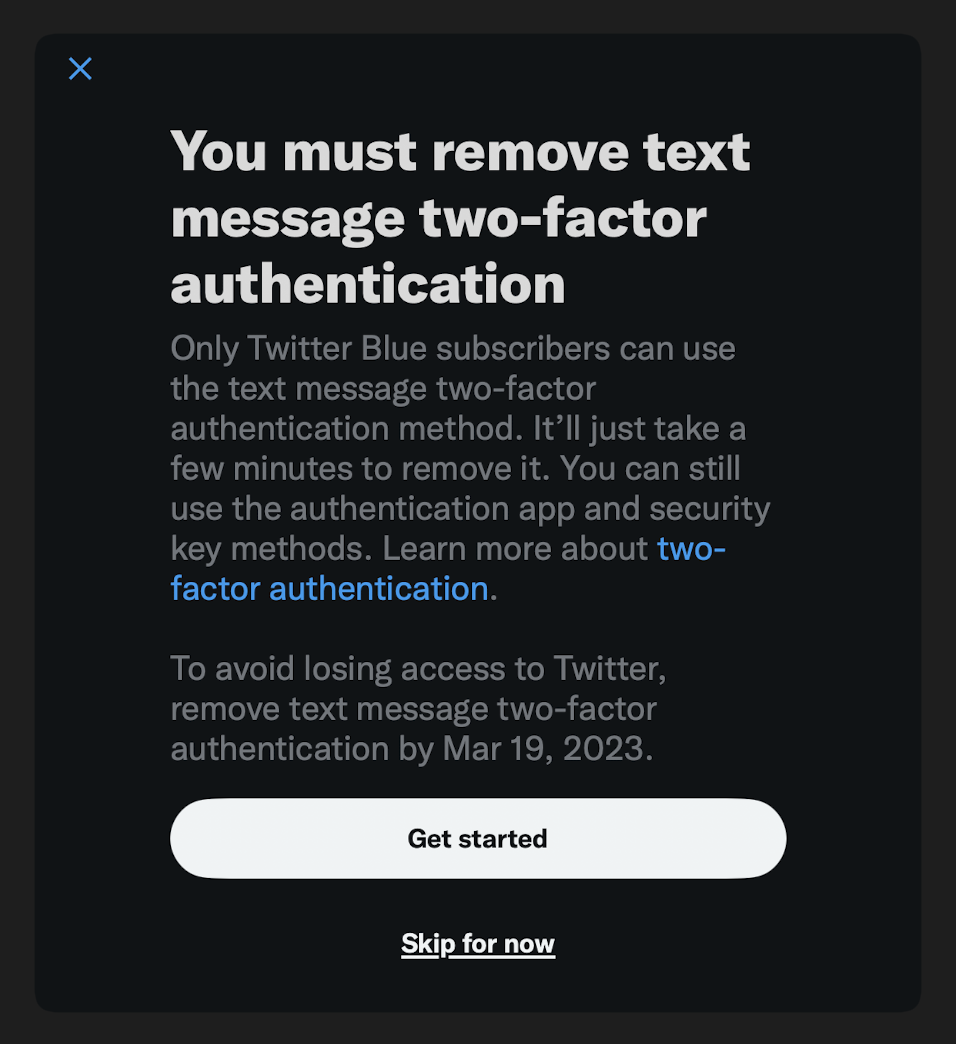
Sex workers explain why blue check stigma and #BlockTheBlue aren’t so straightforward | TechCrunch
For some online creators, Twitter Blue features like text-based 2FA and longer video uploads are essential -- even if they don't support Musk.

Mapping the online manipulation economy
A market perspective on digital manipulation may help improve online trust and safety , The internet is awash with inauthentic activity. Although some of this activity is harmless, a substantial proportion can be classified as malicious, including bots designed to steal personal data, networks of inauthentic social media accounts promoting crypto scams, and coordinated political influence operations ( 1 , 2 ). To enhance security, online platforms have implemented measures to counter inauthentic activity, with most requiring users to confirm account authenticity via a one-time password sent through short message service (SMS). However, there exists a thriving market for buying and selling on-demand SMS verifications, which forms a cornerstone of the wider online manipulation economy. Despite its centrality in the digital manipulation ecosystem, this SMS verifications market has not been systematically studied. To address this knowledge gap, we developed the Cambridge Online Trust and Safety Index (COTSI; cotsi.org), which tracks the daily price of SMS verifications for 197 countries and >500 platforms.
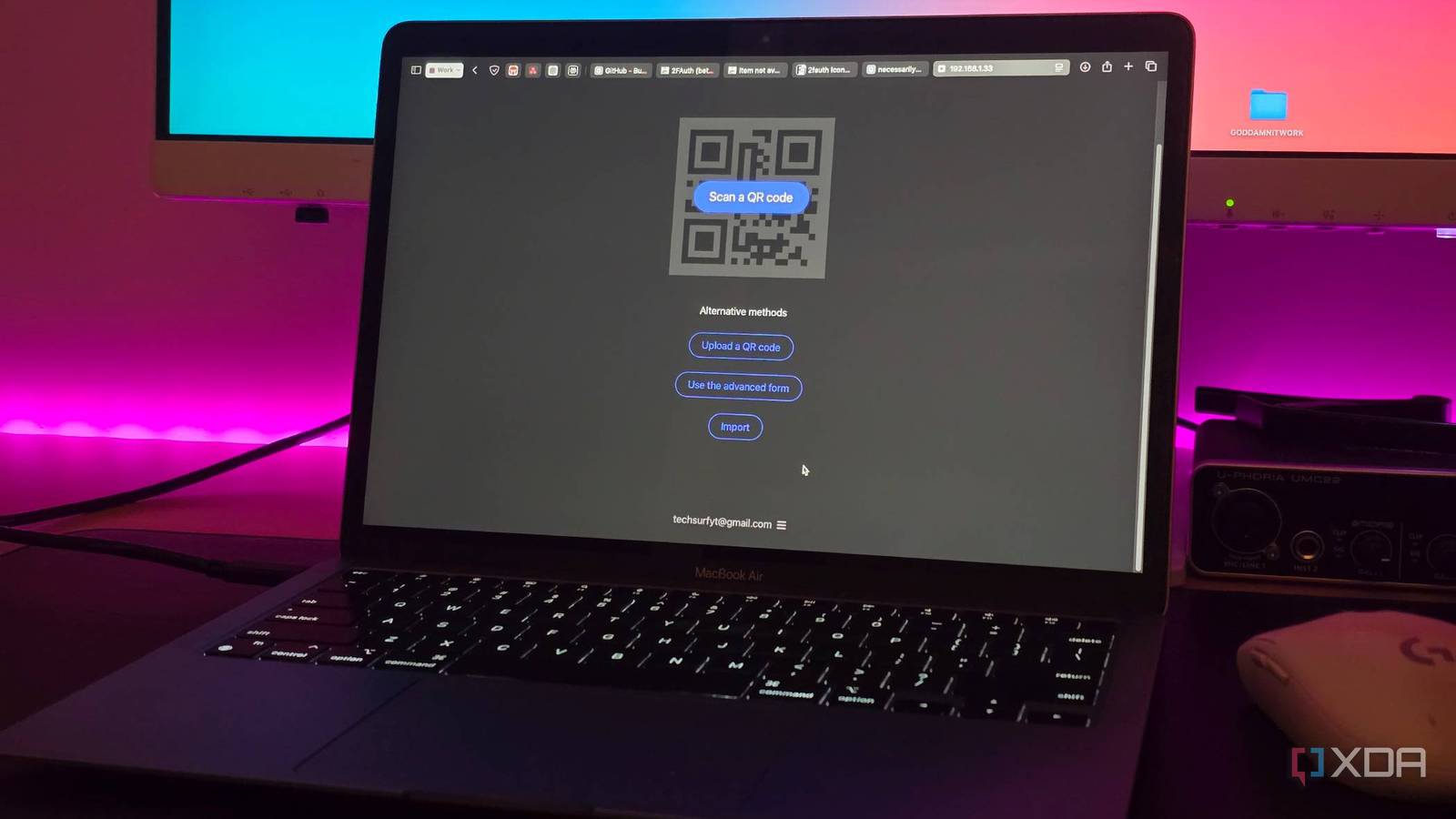
I built a self-hosted 2FA server so I don’t have to trust Google anymore
Why rely on big tech for your 2FA codes when you can be your own provider?
Decentralized Social Media for 40 Million+ Users (with Bluesky’s Jay Graber)
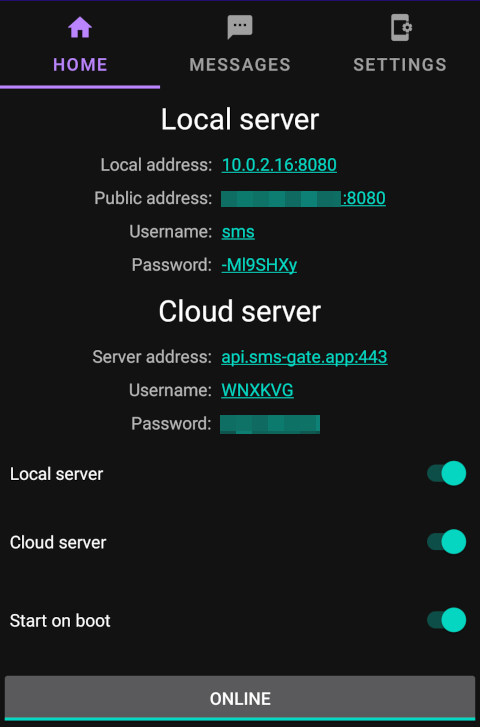
🚨 Twilio charges $0.0079 per SMS. Someone just turned any old Android phone into a free SMS gateway. Unlimited messages. $0. It's called SMS Gateway for Android. Install it on any Android phone. It becomes a full SMS sending and receiving server with an API. No Twilio. No https://t.co/HQoRAlR6Qp
🚨 Twilio charges $0.0079 per SMS. Someone just turned any old Android phone into a free SMS gateway. Unlimited messages. $0.It's called SMS Gateway for Android. Install it on any Android phone. It becomes a full SMS sending and receiving server with an API.No Twilio. No… pic.twitter.com/HQoRAlR6Qp— Nav Toor (@heynavtoor) April 5, 2026
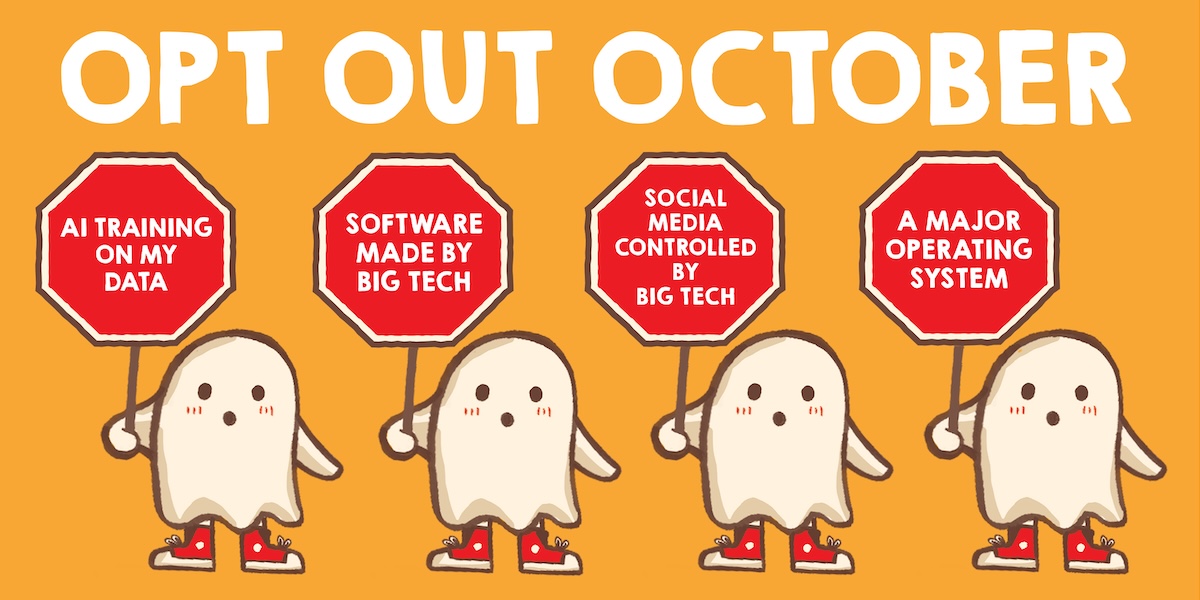
How to Opt Out of Social Media Controlled by Big Tech
It might seem like there are simply no other choices for social media beyond those controlled by big tech companies, but that’s not true at all. In fact, we’re in a golden era of options being built
Australia’s Teen Social Media Ban Is Just Training A Generation In The Art Of The Workaround
We’ve been covering Australia’s under-16 social media ban since before it went into effect, first noting the confusion and obvious implementation problems as pretty much everyone realiz…

SMS Verification Statistics by platforms | COTSI
Discover how the Cambridge Online Trust & Safety Index (COTSI) tracks SMS verifications of social media accounts, such as Facebook, Instagram, TikTok, WhatsApp, and Telegram; cloud infrastructure providers, such as Amazon Web Services, Google Firebase, and OpenAI; marketplaces; online banks; crypto exchanges; and more.

Online Safety Amendment (Social Media Minimum Age) Act 2024
The Online Safety Amendment Act 2024 is an Australian act of parliament that prohibits minors under the age of 16 from holding an account on certain social media platforms. It is an amendment to the Online Safety Act 2021 and was passed by the Parliament of Australia on 29 November 2024. It imposes monetary penalties on social media companies that fail to take reasonable steps to prevent minors under 16 that are located in Australia from having accounts on their services.

Two States Can Now Restrict Social Media Access—Here’s What To Do Next
Recently, two federal appeals courts issued opinions that will allow Florida and Georgia to start enforcing laws that will age-gate and block young people from accessing social media. The laws do n…
"Did We Create This Monster?" How Twitter Turned Toxic - Fast Company
For years, the company’s zeal for free speech blinded it to safety concerns. Now it’s scrambling to make up for lost time.

Two States Can Now Restrict Social Media Access—Here’s What To Do
Last week, two federal appeals courts issued opinions that will allow Florida and Georgia to start enforcing laws that will age-gate and block young people from accessing social media. The laws do
Social media companies are fighting the 'age verification trap' as collecting biometrics on kids violates privacy rights | Fortune
Big Social is reaching its Big Tobacco moment as it regulations intensify and social media companies look to implement age verification methods on its platforms.

Bill C-22’s Groundhog Day: Why the Government’s Dismissal of Signal, Apple and the U.S. Congress Concerns Runs Back the Disastrous Online News Act Playbook - Michael Geist
Secure messaging service Signal yesterday became the latest company to warn that Bill C-22, the lawful access bill, could force it to leave the Canadian market rather than comply with provisions it says would compromise its end-to-end encryption and create new cybersecurity risks. Signal vice-president Udbhav Tiwari told the Globe and Mail that the company “would rather pull out of the country than be compelled to compromise on the privacy promises we have made to our users.” The comments are part of a steady stream of similar warnings from Apple, Meta, the Canadian Chamber of Commerce, the Cybersecurity Advisors Network, and the chairs of the U.S. House Judiciary and Foreign Affairs Committees. Despite growing concern, the government’s response has been to launch a misleading social media campaign and repeatedly insist that the experts and companies are mistaken.
Debate: Social media in children and young people – time for a ban? Weighing up the implications and limitations of age-based social media restrictions
Recent legislation in Australia banning social media accounts for children under 16, alongside similar proposals worldwide, has ignited debate about whether age-based restrictions are an effective way to protect young people's mental health. While the intent of such bans is to reduce exposure to harmful content, their feasibility and effectiveness remain unclear. Enforcement requires robust age verification, often relying on sensitive data such as government-issued identification or facial scans, which raises privacy concerns and can be circumvented through the use of VPNs. Moreover, social media use is diverse. Although it can intensify harms such as bullying, it also provides vital opportunities for connection and support, particularly for marginalised adolescents. Removing access to accounts may limit risks within platforms, but does not prevent exposure to harmful content elsewhere, nor does it guarantee increased offline engagement. Importantly, blanket bans fail to address unsafe design features embedded within social media or to equip adolescents with the skills needed to navigate online environments. More targeted, evidence-based regulation that promotes safer platform design and accountability may provide a more effective pathway to protecting young people's well-being.
