

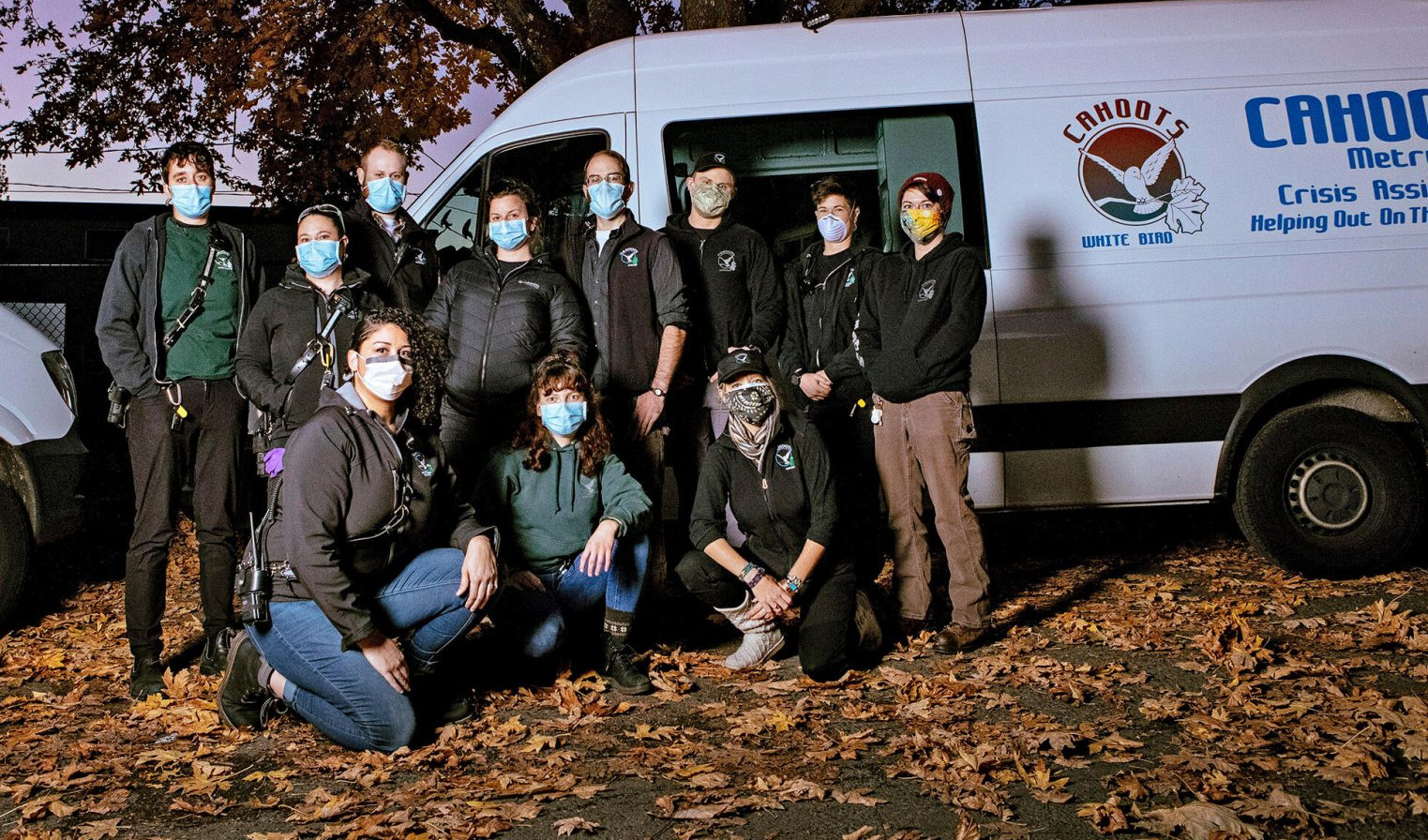
Abolitionists and mental health advocates in the US are working to replace both police and psychiatry by reimagining how we respond to mental health crisis.
Police Abolition | The Paper Pilot
The Paper Pilot's digital garden of thoughts on philosophy, politics, and sociology
Our methodology
We expose injustice and spark change. Help change the world by becoming a Bureau Insider

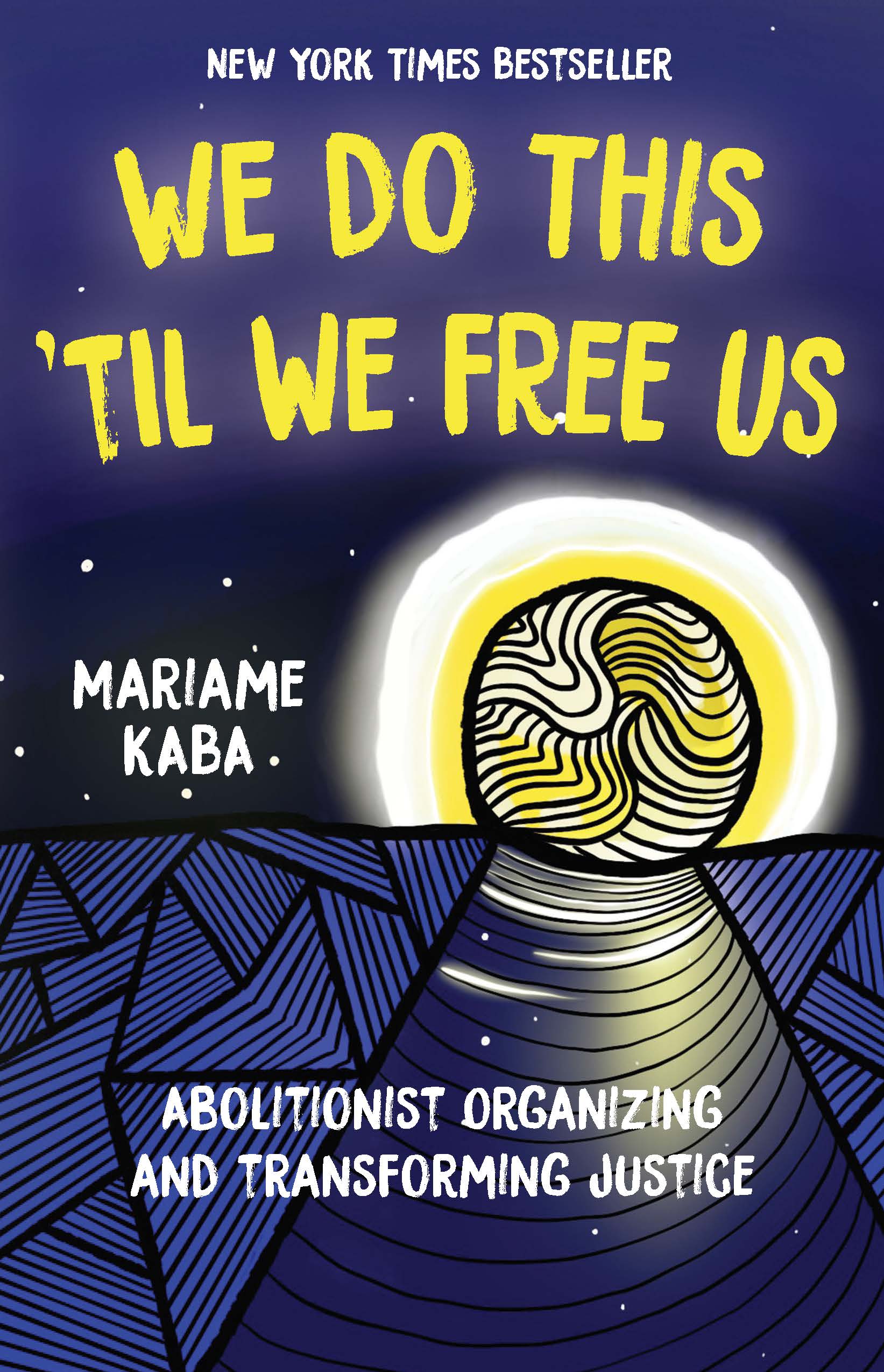
We Do This 'Til We Free Us
New York Times Bestseller “Organizing is both science and art. It is thinking through a vision, a strategy, and then figuring out who your targets are, always being concerned about power, always being concerned about how you’re going to actually build power in order to be able to push your issues, in order to be able to get the target to actually move in the way that you want to.” What if social transformation and liberation isn’t about waiting for someone else to come along and save us? What if ordinary people have the power to collectively free ourselves? In this timely collection of essays and interviews, Mariame Kaba reflects on the deep work of abolition and transformative political struggle. With a foreword by Naomi Murakawa and chapters on seeking justice beyond the punishment system, transforming how we deal with harm and accountability, and finding hope in collective struggle for abolition, Kaba’s work is deeply rooted in the relentless belief that we can fundamentally change the world. As Kaba writes, “Nothing that we do that is worthwhile is done alone.”
Why Psychology Hasn’t Had a Big New Idea in Decades
Can our field get its act together?

Abolishing the police and prisons is a lot more practical than critics claim
Mariame Kaba's new book “We Do This ‘Til We Free Us” is a pragmatic playbook for a world without walls.

ICE violence against women is largely untracked. One advocacy group is working to change that.
Immigration agents with prior records of sexual and gender-based violence have drawn attention in Trump’s second term amid questions about training and vetting.

AI for Proactive Mental Health: A Longitudinal, Multi-Institutional Trial
Young adults today face unprecedented mental health challenges, yet many hesitate to seek support due to barriers such as accessibility, stigma, and time constr

AI for Proactive Mental Health: A Multi-Institutional, Longitudinal, Randomized Controlled Trial
Young adults today face unprecedented mental health challenges, yet many hesitate to seek support due to barriers such as accessibility, stigma, and time constr
Transformative Justice | The Paper Pilot
The Paper Pilot's digital garden of thoughts on philosophy, politics, and sociology
What About the Rapists and Murderers?
Trigger warning: rape, sexual assault, murder, torture, ablelism, trauma.
The New York Times helped fuel an anti-trans panic in 2022. Will 2023 be any better?
Perhaps no mainstream publication did more in 2022 than the New York Times to shift the mainstream conversation around transgender equality away from obstacles to access in housing, employment, and health care and toward the idea that the most pressing issue facing the trans community is actually too much medical care. The paper’s venerable pages featured profile after profile that platformed anti-trans extremists, fearmongered about the price of transgender acceptance, and framed rising trans identification as a social contagion. A recent article that centers the concerns of parents calling for the forced outing of transgender students shows why in 2023, the Times must improve its coverage.

How Police Unions Became Such Powerful Opponents to Reform Efforts (Published 2020)
Half a decade after a spate of officer-involved deaths inspired widespread protest, many police unions are digging in to defend members.

When Riot Cops Are Not Enough
In When Riot Cops Are Not Enough, sociologist Mike King examines the policing, and broader political repression, of the Occupy Oakland movement. King’s active and daily participation in that movement provides a unique insider perspective to illustrate how the Oakland police and city administrators lost the ability to effectively control the movement.


How You Start is How You Finish? The Slave Patrol and Jim Crow Origins of Policing
Though history books may say otherwise, policing in the United States has its roots in the slave patrols in the South. The institution of policing, and the larger justice system, must reconcile its past to evolve away from its racist roots.

Feminist Data Manifest-No
1. We refuse to operate under the assumption that risk and harm associated with data practices can be bounded to mean the same thing for everyone, everywhere, at every time. We commit to acknowledging how historical and systemic patterns of violence and exploitation produce differential vulnerabilities for communities.