Sometimes, it's more important to be good than it is to be nice.
Be jealous. Make demands. Want more.
Here's to a passionate nonmonogamy where things aren't always fair and people are needy.
Positive Alignment: Artificial Intelligence for Human Flourishing
Existing alignment research is dominated by concerns about safety and preventing harm: safeguards, controllability, and compliance. This paradigm of alignment parallels early psychology's focus on...

W Social and the ancient art of neighbourliness - We Can Just Do Things
Good behaviour matters more than good code
W Social and the ancient art of neighbourliness - We Can Just Do Things
Good behaviour matters more than good code
The scientific case for being nice to your chatbot
New research confirms that LLMs often perform better when you encourage them. But why?
Giving Altruism a Bad Name
Effective Altruism’s metrics-driven model of philanthropy is elitist, condescending and — most damning of all — extremely ineffective.
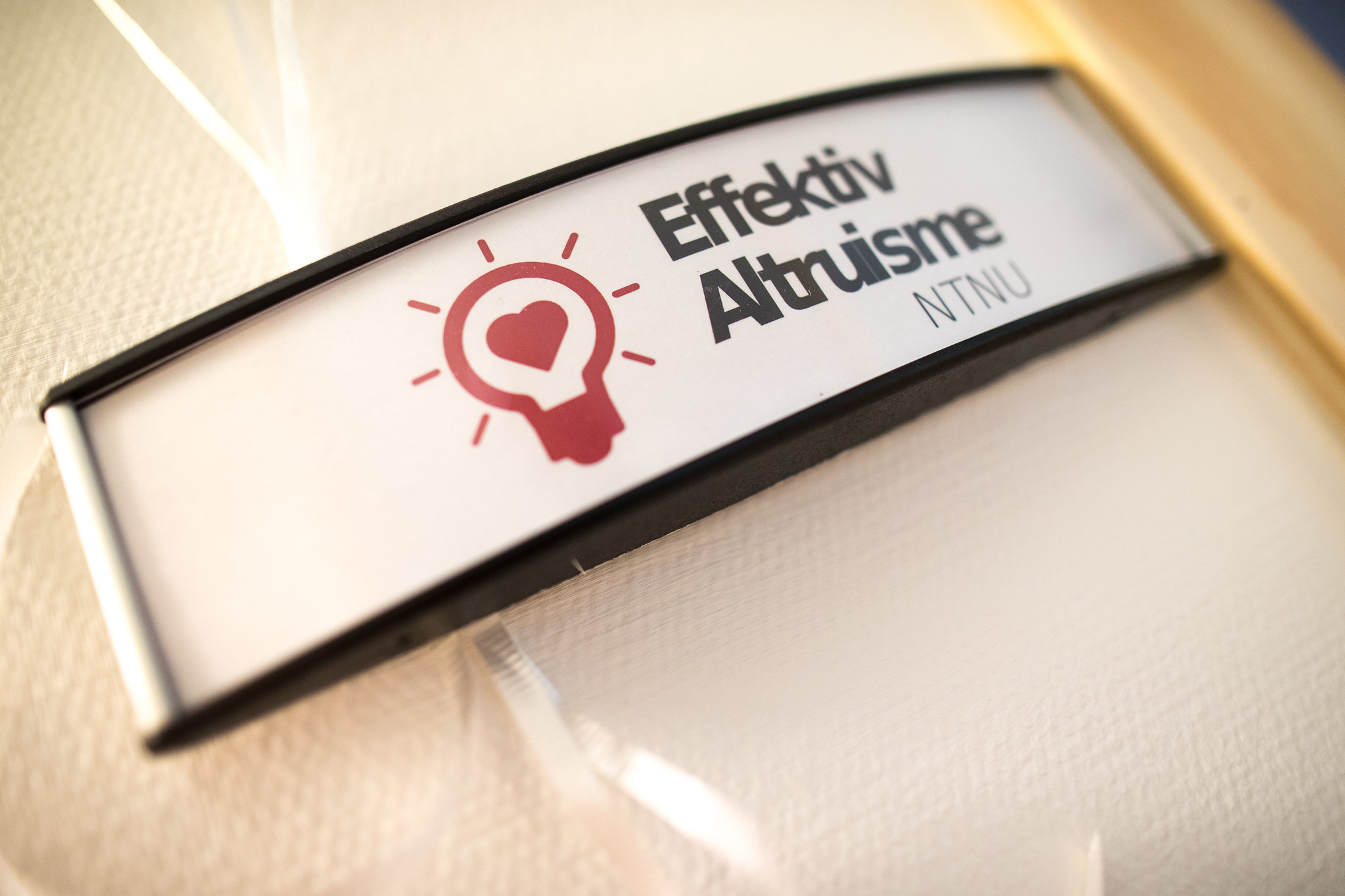
areyoumad — who ghosted your courtesy-like today
Finds today's replies, checks who didn't like you back, gives you a button to ask if they're mad.
The Paradox of Perfection: When ‘Good Enough’ is Actually Better
Exploring the tension between engineering perfectionism and pragmatic delivery. Discover why striving for the perfect solution often prevents us from shipping valuable improvements and how to find the balance.
Undersociality: miscalibrated social cognition can inhibit social connection
A person’s well-being depends heavily on forming and maintaining positive relationships, but people can be reluctant to connect in ways that would create or strengthen relationships. Emerging research suggests that miscalibrated social cognition may create psychological barriers to connecting with others more often. Specifically, people may underestimate how positively others will respond to their own sociality across a variety of social actions, including engaging in conversation, expressing appreciation, and performing acts of kindness.

Children’s Sense of Fairness as Equal Respect
One influential view holds that children’s sense of fairness emerges at age 8 and is rooted in the development of an aversion to unequal resource distributions. Here, we suggest two amendments to this view. First, we argue and present evidence that children’s sense of fairness emerges already at age 3 in (and only in) the context of collaborative activities. This is because, in our theoretical view, collaboration creates a sense of equal respect among partners. Second, we argue and present evidence that children’s judgments about what is fair are essentially judgments about the social meaning of the distributive act; for example, children accept unequal distributions if the procedure gave everyone an equal chance (so-called distributive justice). Children thus respond to unequal (and other) distributions not based on material concerns, but rather based on interpersonal concerns: they want equal respect.
why do we assume progress should feel good?
I can count on one hand the number of times I’ve achieved something and genuinely felt lasting satisfaction.

I Am An AI Hater
I am an AI hater. This is considered rude, but I do not care, because I am a hater.

Do I have to be polite to my LLM?
It won’t change results much, but it might be good for you