Chaos, Utopia, and Apocalypse: ideological readings of the nonlinear sciences
Calamity Theory
What are the implications of how we talk about apocalypse? A new philosophical field has emerged. “Existential risk” studies any real or hypothetical hum...

Le coût du chaos : cela devient effrayant… et tout est de la faute de Trump
traduction française du billet de blog "The cost of chaos: This is getting scary" de Paul Krugman

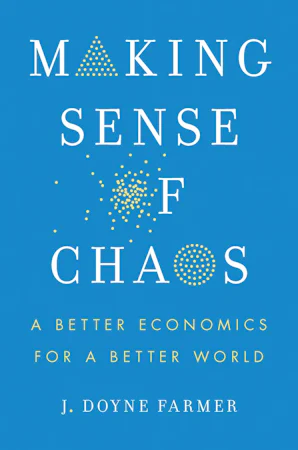
Making Sense of Chaos
From a pioneer in the field of complexity science and chaos theory, a plan for solving the world’s most pressing problems “Farmer convincingly argues t...
Dangerous visions: How the quest for utopia could lead to catastrophe
Interview: Futurist Monika Bielskyte on why tech-centric utopian thinking could end up destroying us all

Substack Data | Chaotic Era
A newsletter about politics, media, and online influence in Democracy’s chaotic era. Written by Kyle Tharp.

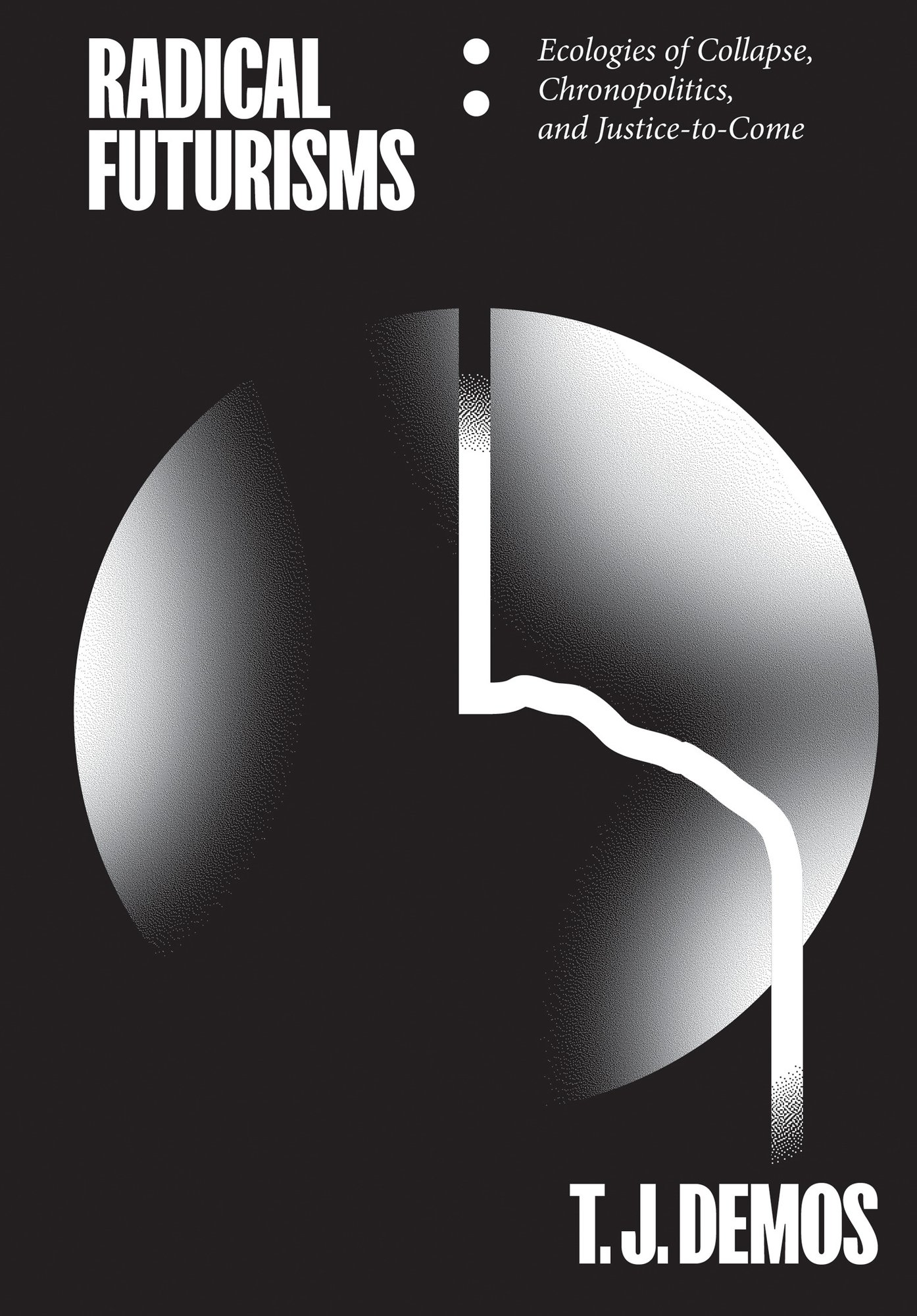
Radical Futurisms: Ecologies of Collapse, Chronopolitics, and Justice-to-Come
Ecologies of Collapse, Chronopolitics, and Justice-to-Come
Prophecy: Prediction, Power, and the Fight for the Future, from Ancient Oracles to AI
From an award-winning University of Oxford professor comes a brilliant, urgent new look at prophecies--the predictions that determine our lives, from our personal finances and the quality of our healthcare to the news and social media we consume and the produces foisted upon us

Sex, AI, and the Apocalypse - Ian Duncan
How a community devoted to thinking clearly incubated salvation stories, abusive experiments, race science, and an affection for autocracy, and why that history matters now that its alumni are asking for public trust on AI.
In Memoriam: Michel Baranger — New England Complex Systems Institute
Today I learned of the passing of a great physicist, friend and colleague, Michel Baranger. Professor in the MIT physics department, Michel was a student of the great physicists Hans Bethe and Richard Feynman and an important contributor to theoretical nuclear physics and quantum chaos. Michel was also a modest person and a pleasure to interact with. Our association began when he attended as a student my first course on complex systems at Boston University in the early 1990s. He honored me by calling me his teacher. He was a founding member of the NECSI board of directors serving long after he moved in retirement to Arizona. With his postdoc, long since a professor, Marcus d’Aguiar, we worked together on fundamental ideas about complex systems as well as applications to evolutionary biology. Michel's engagement with research was ever a process of building a deep understanding, focusing on key ideas, and the way we can frame them mathematically. I would pick out two papers of his to mention. The first provides a mind broadening perspective on how chaos revolutionizes traditional physics thinking, the second shows how we can use chaos to understand a key paradox of traditional physics, the way systems go toward equilibrium. Despite ill health in recent years he continued to visit us in Boston and engage in research, some of which will never be completed. We will miss him.

Against Economics
Mainstream economists nowadays might not be particularly good at predicting financial crashes, facilitating general prosperity, or coming up with models for preventing climate change, but when it comes to establishing themselves in positions of intellectual authority, unaffected by such failings, their success is unparalleled. One would have to look at the history of religions to find anything like it. To this day, economics continues to be taught not as a story of arguments—not, like any other social science, as a welter of often warring theoretical perspectives—but rather as something more like physics, the gradual realization of universal, unimpeachable mathematical truths.

Pluralistic: The far right grows through “disaster fantasies” (25 Nov 2024) – Pluralistic: Daily links from Cory Doctorow
The core of the prepper fantasy: "What if the world ended in the precise way that made me the most important person?" The ultra-rich fantasize about emerging from luxury bunkers with an army of mercs and thumbdrives full of bitcoin to a world in ruins that they restructure using their "leadership skills."
Image of Control (I)
James Beniger's "The Control Revolution" as synthetic philosophy.

The Dispossessed: An Ambiguous Utopia
Shevek, a brilliant physicist, decides to take action. …

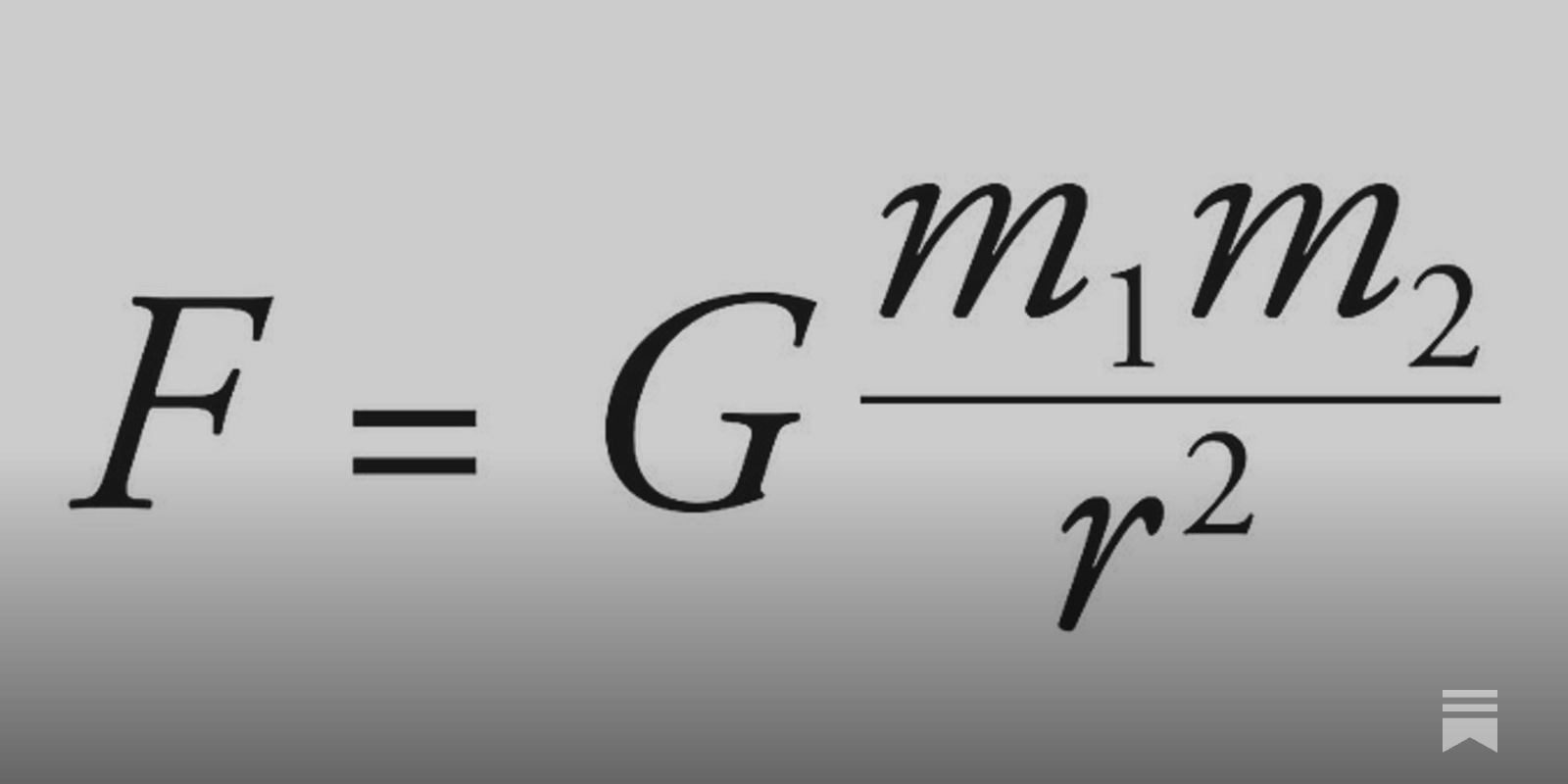
Newton's "Absurdity"
A look at the history of scientific progress through an often unused perspective: the people that actually lived it.
The Return of the Cutting-Off Way
Structural changes are driving us towards a more chaotic world, defined by "neither peace nor war, but conflict."