

The history of immunization technology is a quest to achieve immunity with ever-more safety and ever-fewer side effects
Vaccination Dramatically Lowers Long COVID Risk
Several new studies reveal that getting multiple COVID vaccine doses provides strong protection against lingering symptoms
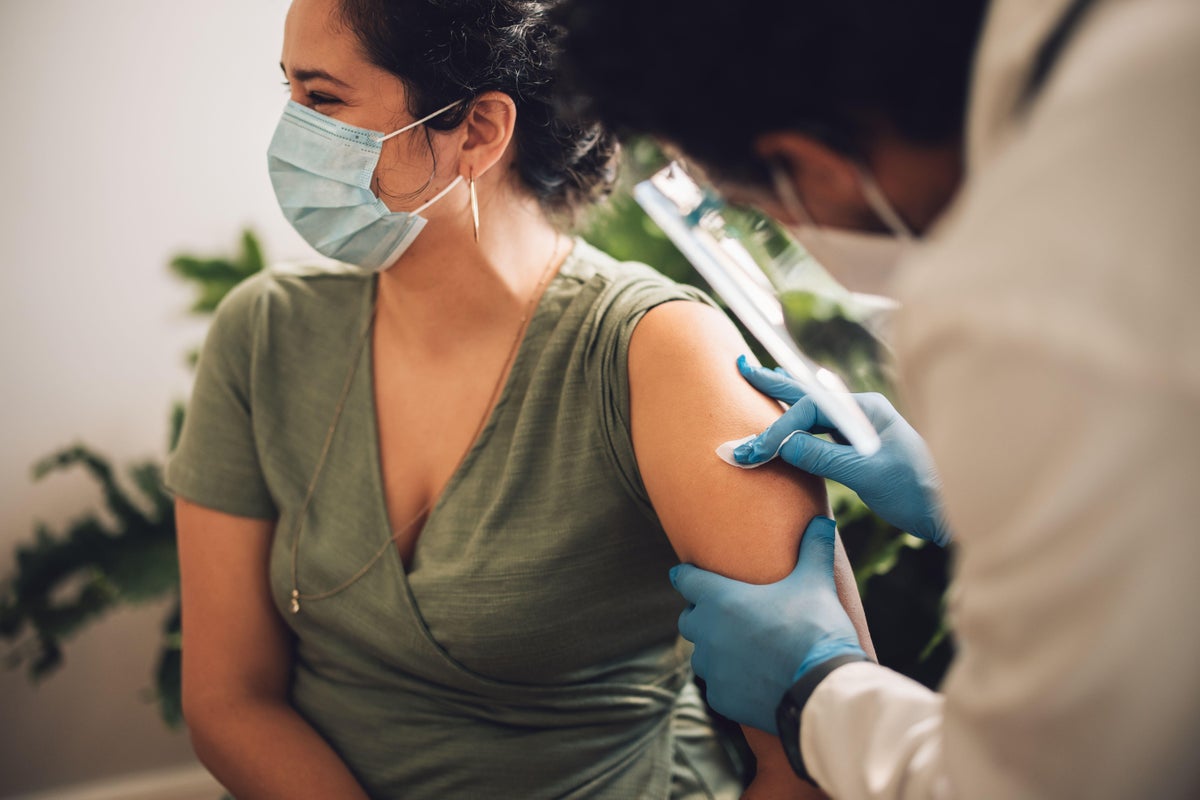
COVID-19 Vaccine Effectiveness and Safety for the 2026-2027 Respiratory Season
This Special Communication aims to identify and summarize the most recently published evidence evaluating the effectiveness and safety of US-licensed COVID-19 vaccines and report on the epidemiology of SARS-CoV-2 in the US.

COVID-19 Vaccine Effectiveness and Safety for the 2026-2027 Respiratory Season
Importance SARS-CoV-2 remains a substantial cause of respiratory illness, morbidity, and mortality. Evidence to date has demonstrated that COVID-19 vaccines reduce the risk of severe disease, including hospitalization and death. Objective This systematic review identifies and summarizes newly published studies reporting on the effectiveness and safety of COVID-19 vaccines and COVID-19 epidemiology in the US. Evidence Review Cochrane Central Register of Controlled Trials, PubMed/MEDLINE, Embase, and Scopus were searched from August 1, 2025, through June 29, 2026. Studies were eligible if they reported on the effectiveness, efficacy, or safety of a US-licensed COVID-19 vaccine or SARS-CoV-2 epidemiology in the US. Findings From 11 829 identified references, 155 publications were eligible (15 randomized clinical trials, 84 observational studies with a comparator group, 38 product safety studies without a comparator group [single group], and 18 descriptive studies of disease burden). Consistent with prior evidence, studies reported that updated COVID-19 vaccines were associated with a reduction in the risk of hospitalization among both older adults (≥65 years; vaccine effectiveness [VE], 53.0%; 95% CI, 37.0%-65.0%; 2025-2026 season) and adults (18-64 years; VE, 54.0%; 95% CI, 1.0%-78.0%; 2024-2025 season). Maternal vaccination was associated with reduced risk of COVID-19–associated emergency department/urgent care encounters among individuals vaccinated (VE, 58.0%; 95% CI, 24.0%-77.0%) and with fewer COVID-19–related hospital contacts in the first 2 months of life among infants born subsequently (VE range, 50.0%-54.0%), regardless of trimester of vaccination. Vaccination was also associated with a significant reduction in COVID-19–related pediatric emergency department visits (9 months to 4 years; VE, 76.0%; 95% CI, 58.0%-87.0%). Vaccination was associated with a reduced risk of critical COVID-19 illness (intensive care unit admission or death) in immunocompromised adults (VE range, 32.0%-53.0%, depending on condition and other factors). Health care personnel who received 3 to 5 vaccine doses were less likely to develop laboratory-confirmed COVID-19 illness (VE, 41.0%; 95% CI, 34.0%-47.0%) and postacute COVID-19 symptoms (VE, 57.0%; 95% CI, 46.0%-66.0%) compared with those who received only 2 doses. Across adverse events of special interest (eg, stroke, thrombosis, myocarditis), safety profiles were consistent with those of previous reviews. No identified studies conducted under the updated guidance on extended dosing intervals for the primary series reported an increased risk of myocarditis or pericarditis. No new safety signals were reported in the recently published studies eligible for this updated review of US-licensed COVID-19 vaccines. Conclusions and Relevance COVID-19 vaccines were consistently associated with a reduction in the risk of hospitalization and other outcomes, including among individuals at high risk of severe COVID-19, such as infants, and those who were pregnant. No new safety concerns were identified.
What to Know About New Covid Vaccines for Fall 2026
The shots have been approved for people 65 and older, and for younger people with underlying conditions. Others may be able to get them off label.

mRNA cancer vaccine succeeded in Phase 3 melanoma trial, Moderna and Merck say
The vaccine reportedly thwarted the cancer's return and spread.
Four ways COVID changed virology: lessons from the most sequenced virus of all time
After 150,000 articles and 17 million genome sequences, what has science taught us about SARS-CoV-2?
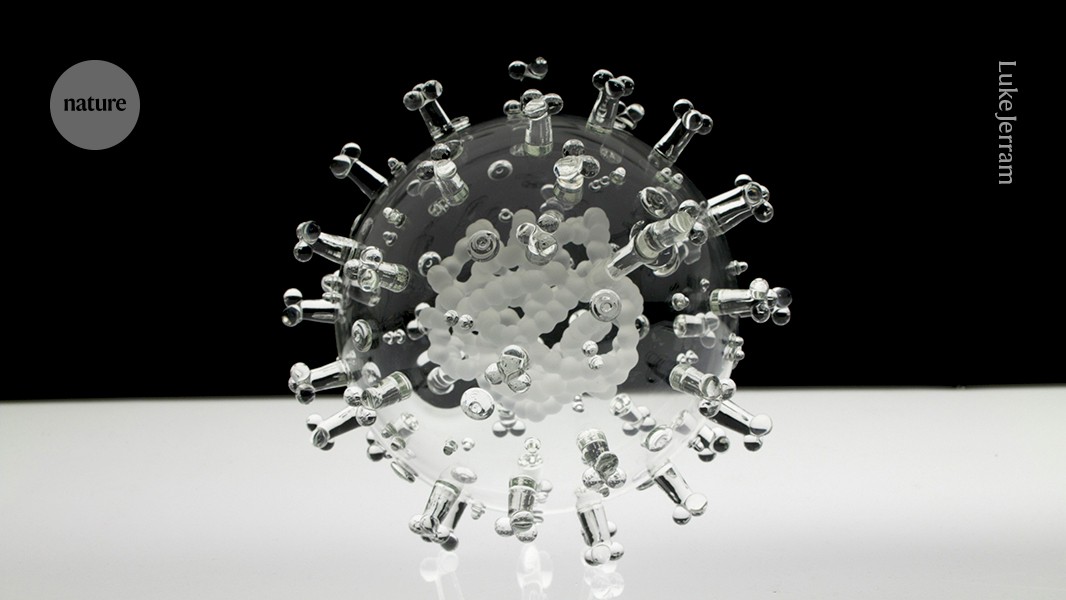
Long COVID: How COVID-19 may lead to vicious viral cycle
COVID-19 was linked to the reactivation of several dormant viruses in unvaccinated people, a new study has found. One of the reactivated viruses was also linked to long COVID.
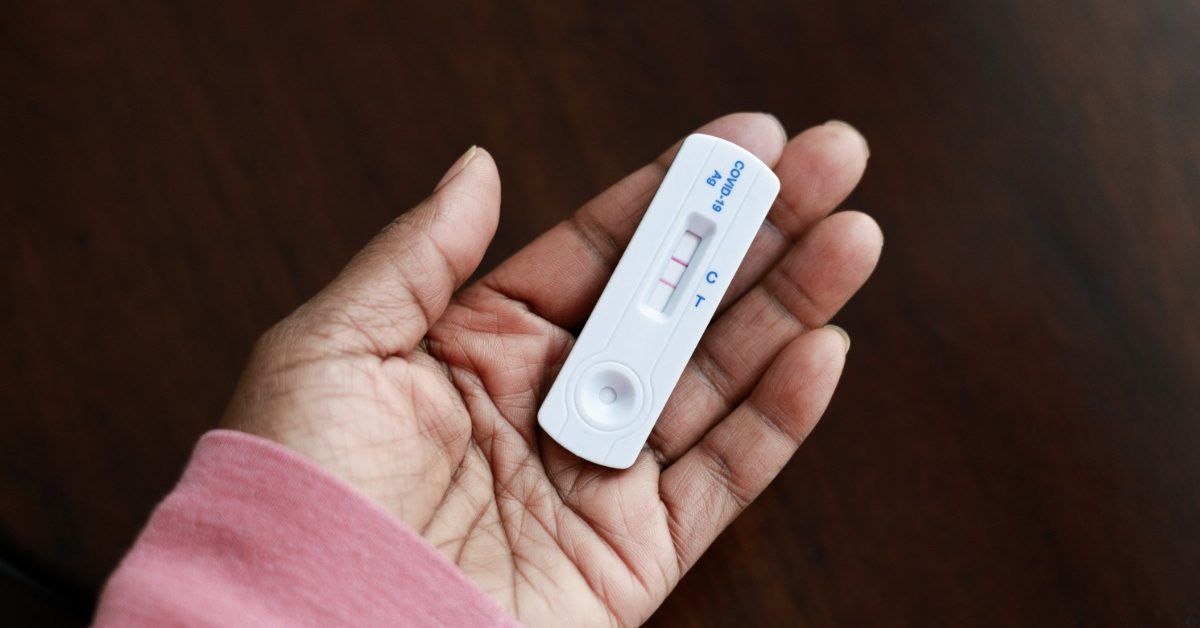
If we don’t change course, most people in the U.S. will have some flavor of Long COVID of one sort or another — Belshaw Brain Archive
For the past few years, I've been on the list of 'vulnerable' people who get a free booster Covid vaccine due to my asthma. That's no longer the case, but Covid is still around, and mutating
COVID-19 Vaccines Aren’t Causing AIDS
The truth behind a new preprint from a team at Yale

Inside the body, the coronavirus is even more sinister than scientists had realized
Cells hijacked by the coronavirus grow long, streaming tentacles to reach out to new victims, scientists found. This could complicate the search for a vaccine.

India’s DNA COVID vaccine is a world first – more are coming
The ZyCoV-D vaccine heralds a wave of DNA vaccines for various diseases that are undergoing clinical trials around the world.

Making Vaccine — LessWrong
John made his own COVID-19 vaccine at home using open source instructions. Here's how he did it and why. …

COVID-19 #CoronaVirus Infographic Datapack — Information is Beautiful
Updated daily, now with global vaccination stats

Long-sought universal flu vaccine: mRNA-based candidate enters clinical trial
The phase I trial will test safety and efficacy in a small number of people.

THIS IS HUGE! Researchers at Stanford University have developed a dual-antibody treatment that remains effective against ALL SARS-CoV-2 variants by targeting a less-mutable part of the virus. This breakthrough could lead to longer-lasting therapies that OUTPACE viral evolution. 🧪🧵⬇️
COVID-19 vaccines

Primarily information in the US and Japan
COVID-19 Vaccine Effectiveness and Safety for the 2026-2027 Respiratory Season
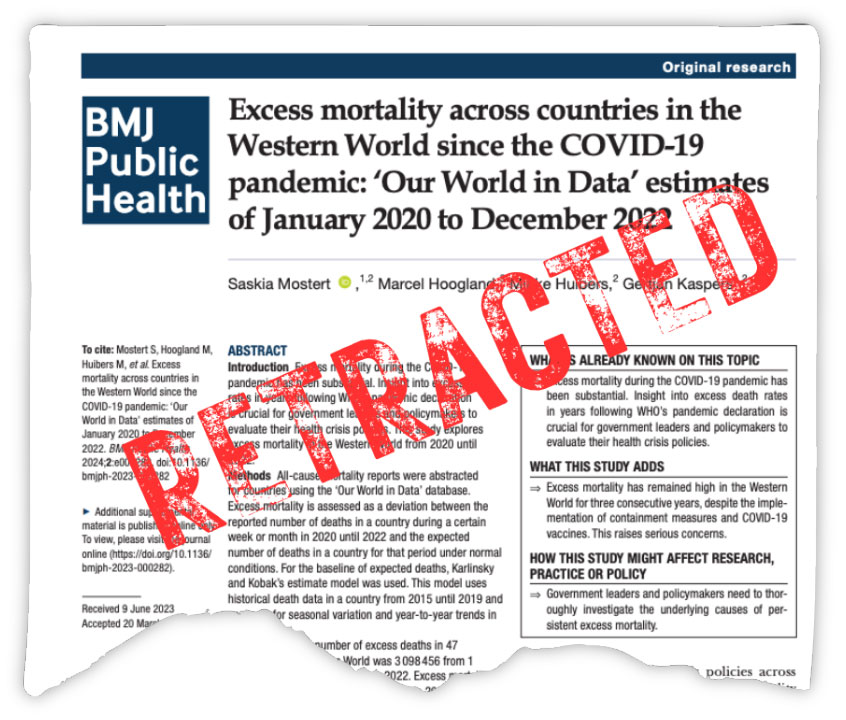
BMJ Group retracts paper on COVID-19 vaccines and mortality featured in Senate hearing
What to Know About New Covid Vaccines for Fall 2026
Underlying Conditions and the Higher Risk for Severe COVID-19
