Water-Secure Properties. Resilient Landscapes.
Farming and Rural Affairs - One Nation Victoria
Water for farmers who irrigate, not speculators. Farmland protected from industrial energy projects, local timber backed, Labor's fisheries job cuts reversed.
Rainwater Harvesting for Drylands and Beyond by Brad Lancaster
Award-winning books and resources to help you create abundant & productive homes, landscapes, and communities fed by the rain.
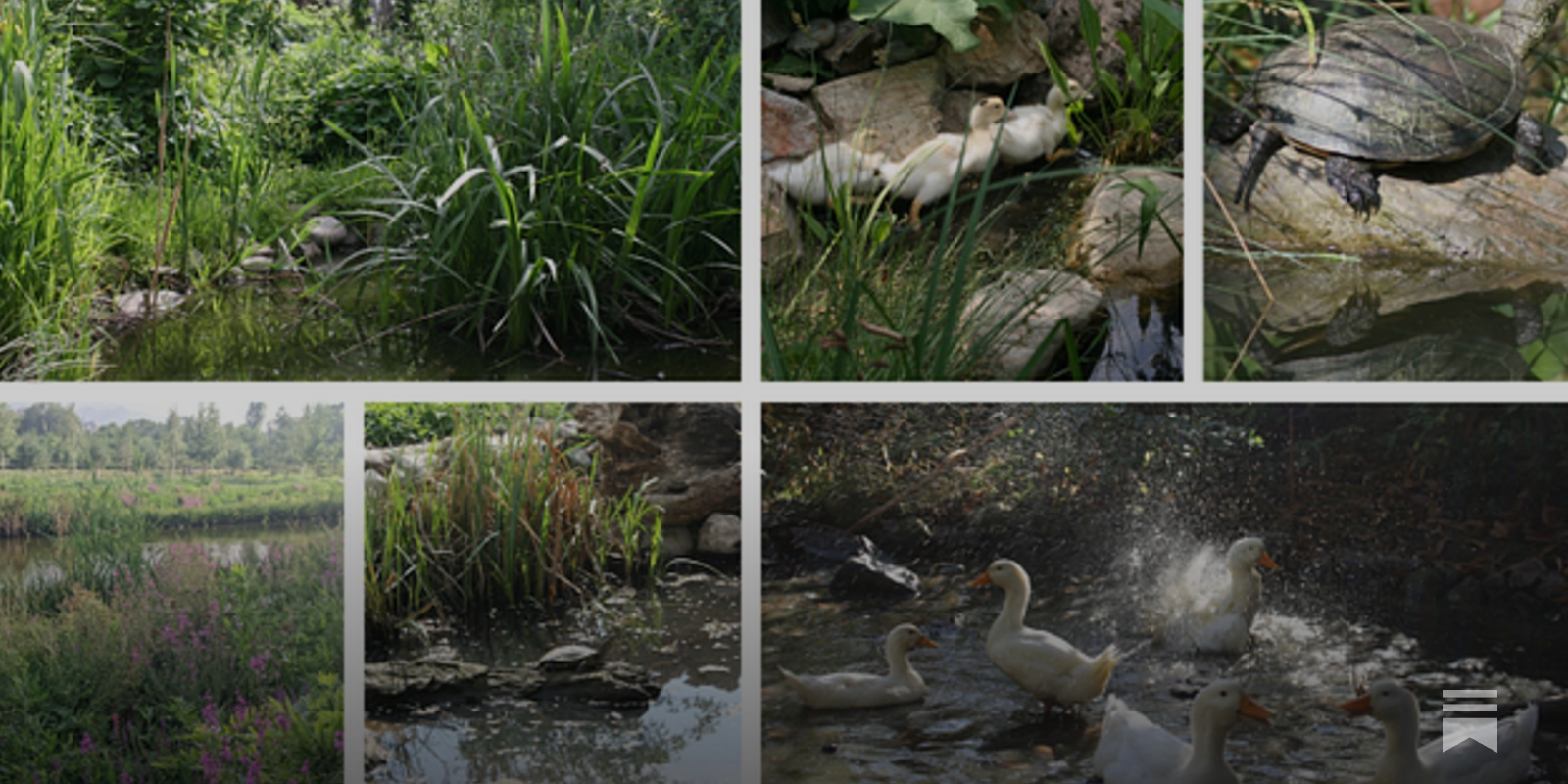
Wildlife Pond Design, Planting and Management
During this post we’ll cover the basics of wildlife pond design, discover the art of crafting small wildlife ponds that pack a punch in terms of benefits and ecological richness.
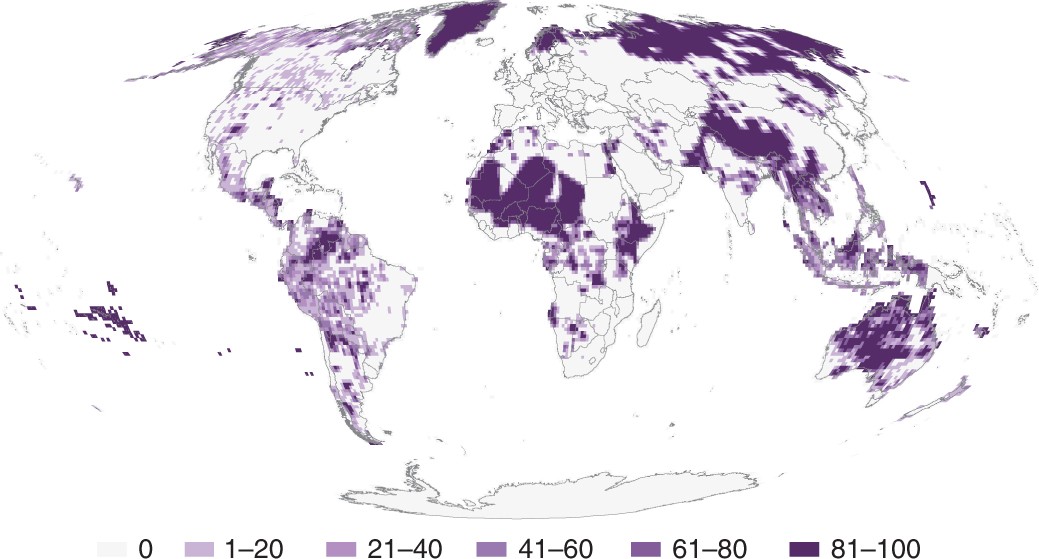
A spatial overview of the global importance of Indigenous lands for conservation
Understanding the scale, location and nature conservation values of the lands over which Indigenous Peoples exercise traditional rights is central to implementation of several global conservation and climate agreements. However, spatial information on Indigenous lands has never been aggregated globally. Here, using publicly available geospatial resources, we show that Indigenous Peoples manage or have tenure rights over at least ~38 million km2 in 87 countries or politically distinct areas on all inhabited continents. This represents over a quarter of the world’s land surface, and intersects about 40% of all terrestrial protected areas and ecologically intact landscapes (for example, boreal and tropical primary forests, savannas and marshes). Our results add to growing evidence that recognizing Indigenous Peoples’ rights to land, benefit sharing and institutions is essential to meeting local and global conservation goals. The geospatial analysis presented here indicates that collaborative partnerships involving conservation practitioners, Indigenous Peoples and governments would yield significant benefits for conservation of ecologically valuable landscapes, ecosystems and genes for future generations.
Beaver dam
A beaver dam or beaver impoundment is a dam built by beavers; it creates a pond which protects against predators and holds food during winter. These structures modify the natural environment in such a way that the overall ecosystem builds upon the change, making beavers a keystone species and ecosystem engineers. They build prolifically at night, carrying mud with their forepaws and timber between their teeth.

Mineral Water Atlas of the World
How Do Beavers Build a Dam | SLICE
Global Water Supplies Threatened by Overmining of Aquifers: New Study — ProPublica
A new study finds that freshwater resources are rapidly disappearing, creating arid “mega” regions and causing sea levels to rise.

State of the Water Industry
What topics and trends are driving the water community forward? Read the AWWA State of the Water Industry Report for data-driven insights into key issues.

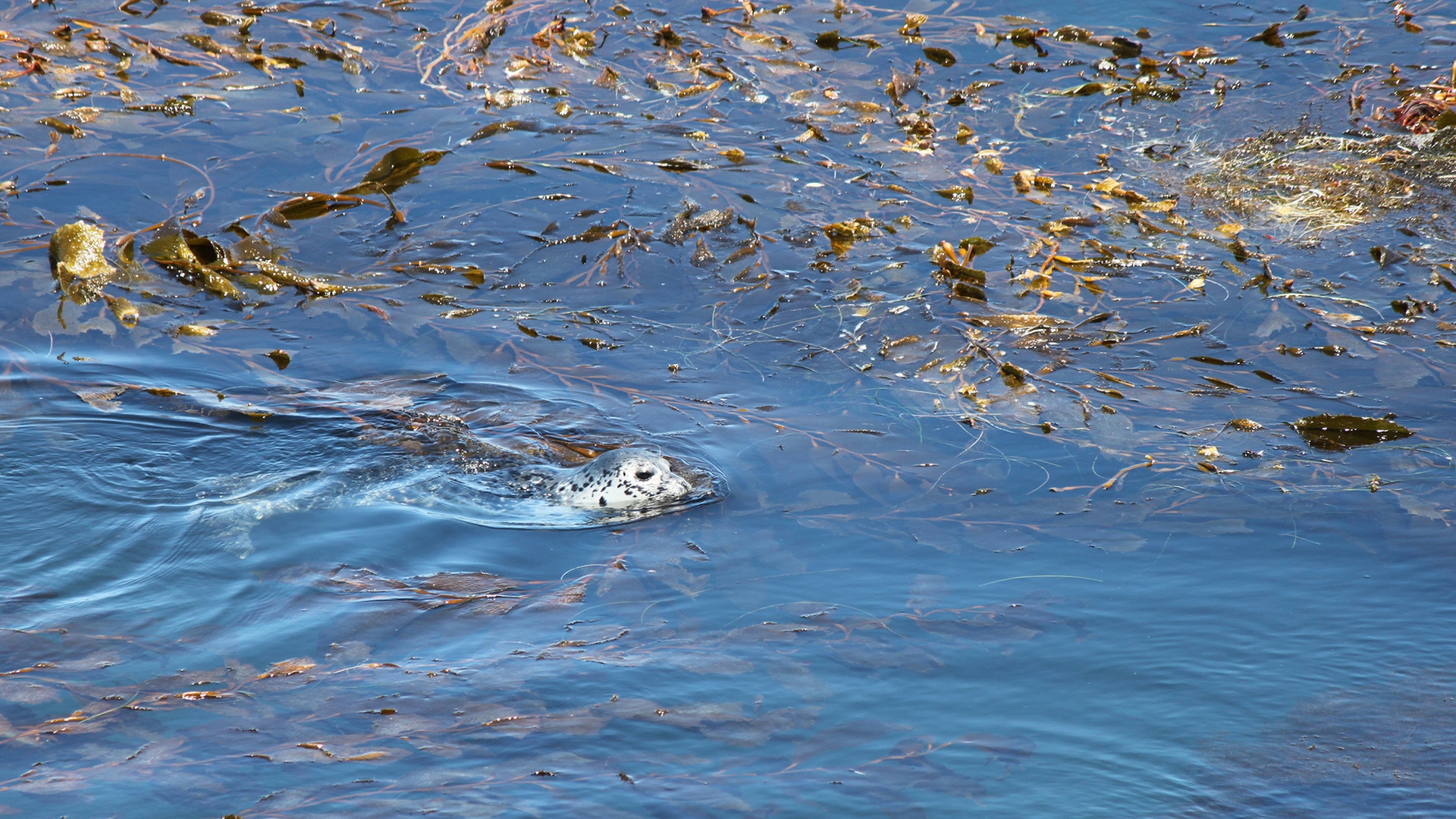
Pacific kelp forests are far older than we thought - Berkeley News
The unique underwater kelp forests that line the Pacific Coast support a varied ecosystem that was thought to have evolved along with the kelp over the past 14 million years. But a new study shows that kelp flourished off the Northwest Coast more than 32 million years ago, long before the appearance of modern groups […]
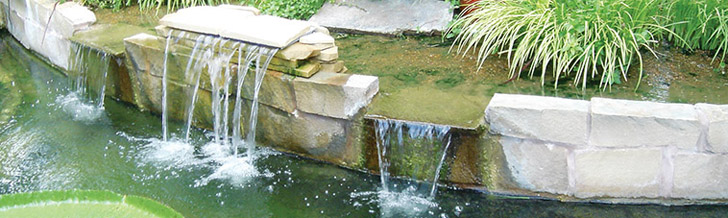
Bog Gravel Filtration: Water Cleaned by Mother Nature
Here at Nelson Water Gardens we are so sold on bog gravel filtration that we will not build a pond without one, and for one solid reason...
Aquatic plant culturing - Province of British Columbia
Culturing aquatic plants may include growing or cultivating aquatic plants in a hatchery or marine grow out site
Innovative Stormwater Management at the Property Scale
NASA-DOD Study: Saltwater to Widely Taint Coastal Groundwater by 2100
Intrusion of saltwater into coastal groundwater can make water there unusable, damage ecosystems, and corrode infrastructure.