Ecologies and AI
Complexity Explorables
A collection of interactive explorable explanations of complex systems in biology, physics, mathematics, social sciences, epidemiology, ecology and other fields....
Agent Economies | Interactive AI Network Visualization
Explore the future of AI agent economies through an interactive network visualization representing autonomous systems that collaborate and evolve.
Why embracing complexity is the real challenge in software today
In the midst of industry discussions about productivity and automation, it’s all too easy to overlook the importance of properly reckoning with complexity.

Routledge International Handbook of Complexity Economics | Ping Chen,
The Routledge International Handbook of Complexity Economics covers the historical developments and early concerns of complexity theorists and brings them into

All you need is data and functions
It's really easy to tend towards complexity as engineers. I think on some level, we love complexity. There are obviously bad types of complexity, but I think there are other types of it that we seek out, because there's something satisfying about wrapping your head around it; and I think a lot of that kind of complexity ends up in our programming languages.
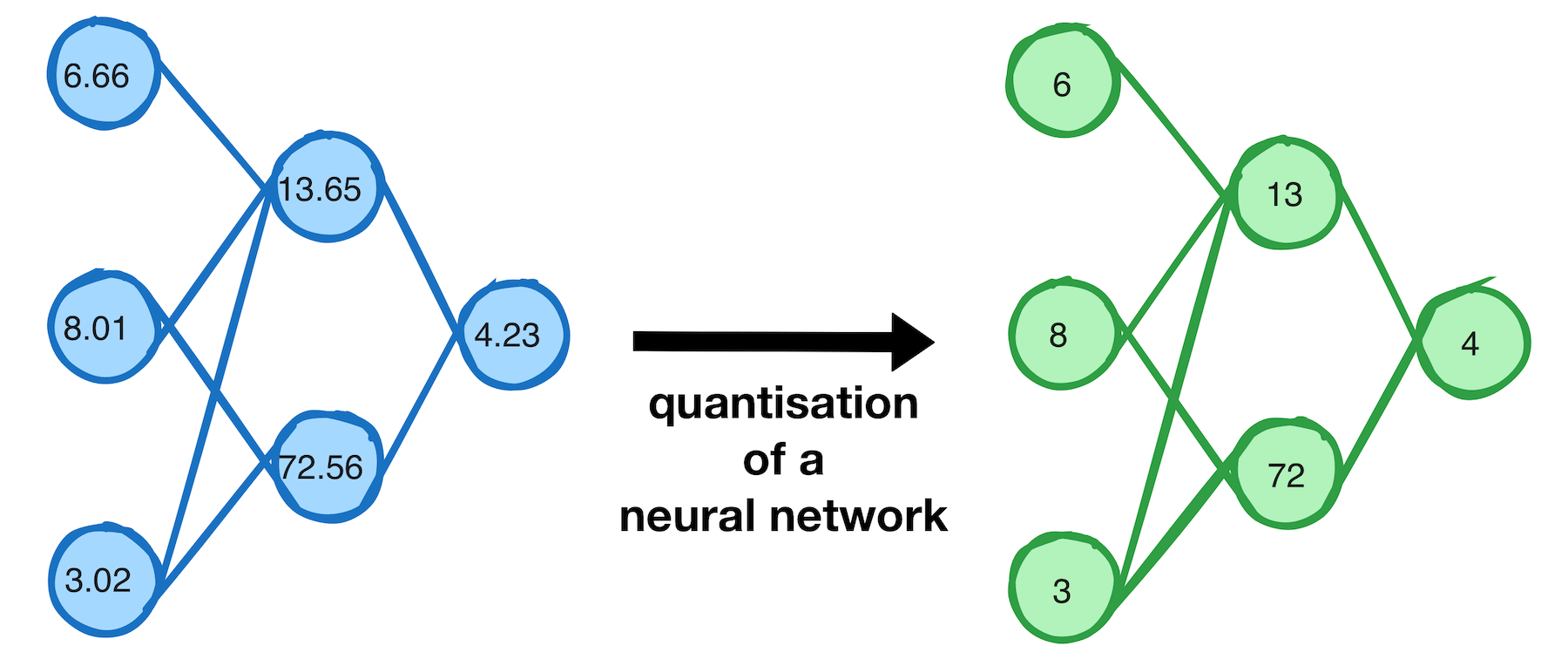
Understanding AI/LLM Quantisation Through Interactive Visualisations
AI/LLM Quantisation Visualised
The Compendium
A compendium of insights about complexity structured as inter-linked cards by Alex Komoroske

How should social science think about AI?
Big structures and large processes are back, baby

Co-Creation: Systems Thinking Beyond the Machine
Complexity thinking is all the rage — in the arts and sciences. Yet, there are two different strands of thinking about complexity, which are often confounded. The first comes from cybernetics, focussing on control in complex situations. The second is ecological, aiming at sustainable participation in a reality beyond control. Their difference rests on a fundamental distinction: is complexity rooted in feedback regulation or collective co-creation? While feedback remains mechanistic, co-creation generates new spaces of possibilities. We need it to understand life and its evolution. And it empowers us to rewrite our future, to escape our mechanistic cage without abandoning scientific rigor. In this paper, we illustrate how we implement these powerful yet abstract principles through our artistic and philosophical practice.
Social Physics in the Age of Generative AI: How, Exactly, Is Society Complex?
The aspiration for a social physics — a science that would reveal universal laws of social life analogous to those governing the natural world—has haunted the social sciences since Comte. Each new wave of quantitative and computational methods breathes fresh life into this vision. The current moment is no exception: advances in artificial intelligence and large language models have reinvigorated attempts to model society through the methods of social physics. This essay argues that these ambitions rest on a confusion about the nature of social complexity. Drawing a distinction between systems complexity and anthropological complexity, we identify the limitations of analyzing society as a complex system akin to natural systems. One crucial obstacle for social physics is the analysis of meaning and interpretation. Generative artificial intelligence (GenAI) offers important opportunities to model language and reflexivity, inviting and perhaps compelling social physics to confront meaning and interpretation as constitutive features of the social world. At the same time, GenAI leaves untouched and may even aggravate social physics’ failure to grasp power, institutions, and inequality.
visualising data structures and algorithms through animation - VisuAlgo
VisuAlgo was conceptualised in 2011 by Associate Professor Steven Halim (NUS School of Computing) as a tool to help his students better understand data structures and algorithms, by allowing them to learn the basics on their own and at their own pace. Together with his students from the National University of Singapore, a series of visualizations were developed and consolidated, from simple sorting algorithms to complex graph data structures. Though specifically designed for the use of NUS students taking various data structure and algorithm classes (CS1010/equivalent, CS2040/equivalent (inclusive of IT5003)), CS3230, CS3233, and CS4234), as advocators of online learning, we hope that curious minds around the world will find these visualizations useful as well.
Machine god metaphors eat your brain
There are other ways of thinking about AI
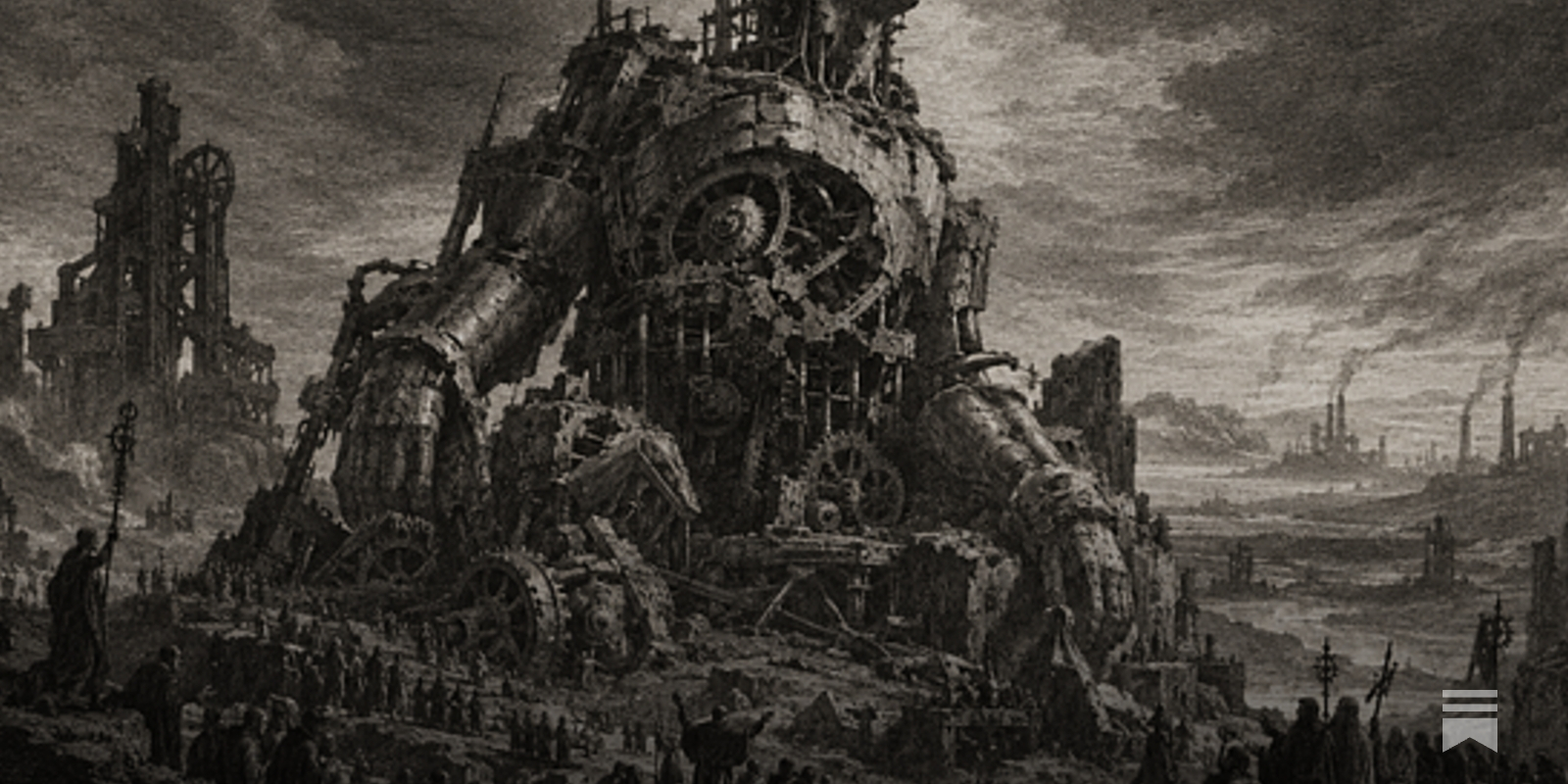
AI is not superhuman
What metaphor should drive the field of AI research?
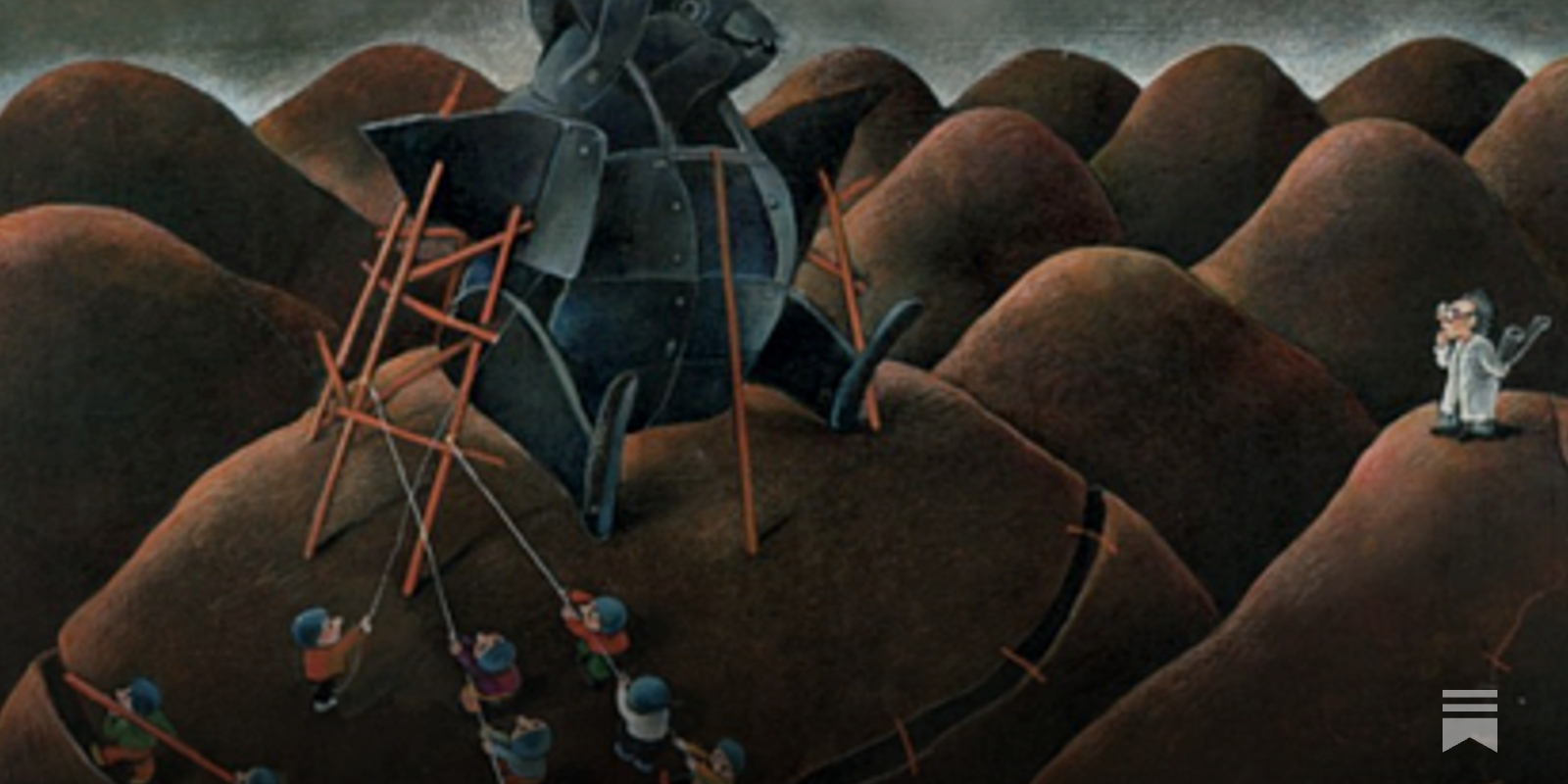
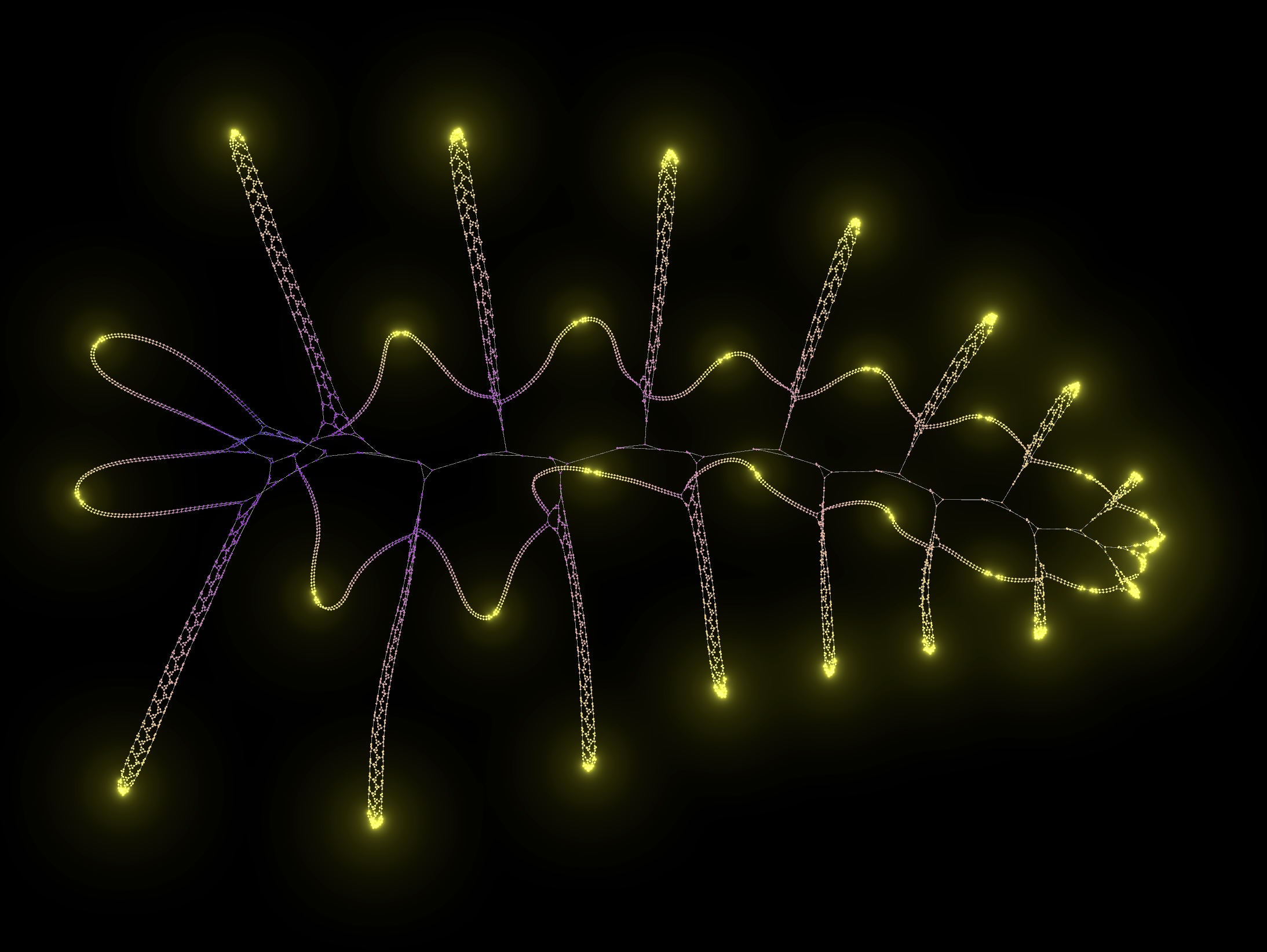
Growing Graphs
Experimental simulation of emergent complexity through graph-rewriting automata.
</> htmx ~ Working With AI: A Concrete Example
In this essay, Carson Gross walks through a concrete bug fix in hyperscript to show where AI helped, where it fell short, and why keeping a knowledgeable human in the loop is what kept complexity in check.