The first neural interface that transforms your thoughts into text. No typing. No voice. Just Think.
jack on Twitter / X
We believe voice is the most natural way to interact with intelligence, so we created Dessa, the most authentic full-duplex speech model ever built. Talking with it feels like talking with a person…full of emotion, nuance, pauses, and a natural cadence. https://t.co/r0qFLdvd6c— jack (@jack) October 23, 2026
Luozhu on Twitter / X
I taught a speech model to understand context in conversation. This is what happenedIt adjusts voice and tone to express urgency, comfort, understanding from the dialogue. Just like a real human being520M model. Runs locally on consumer devicesHow this is achieved 🧵 pic.twitter.com/oMgSh2TKbO— Luozhu (@LuozhuZhang) February 27, 2026

Gödel, Escher, Bach, and AI
A dazzlingly fast chatbot cannot replace the authentic and reflective voice of a thinking, living human being.
Talking with AI using OpenAI’s Whisper, GPT-3, and ElevenLabs
Combining technologies and using ElevenLabs’ Speech Synthesis

WhisperSpeech/WhisperSpeech
An Open Source text-to-speech system built by inverting Whisper.
OpenAI.fm
An interactive demo for developers to try the latest text-to-speech model in the OpenAI API
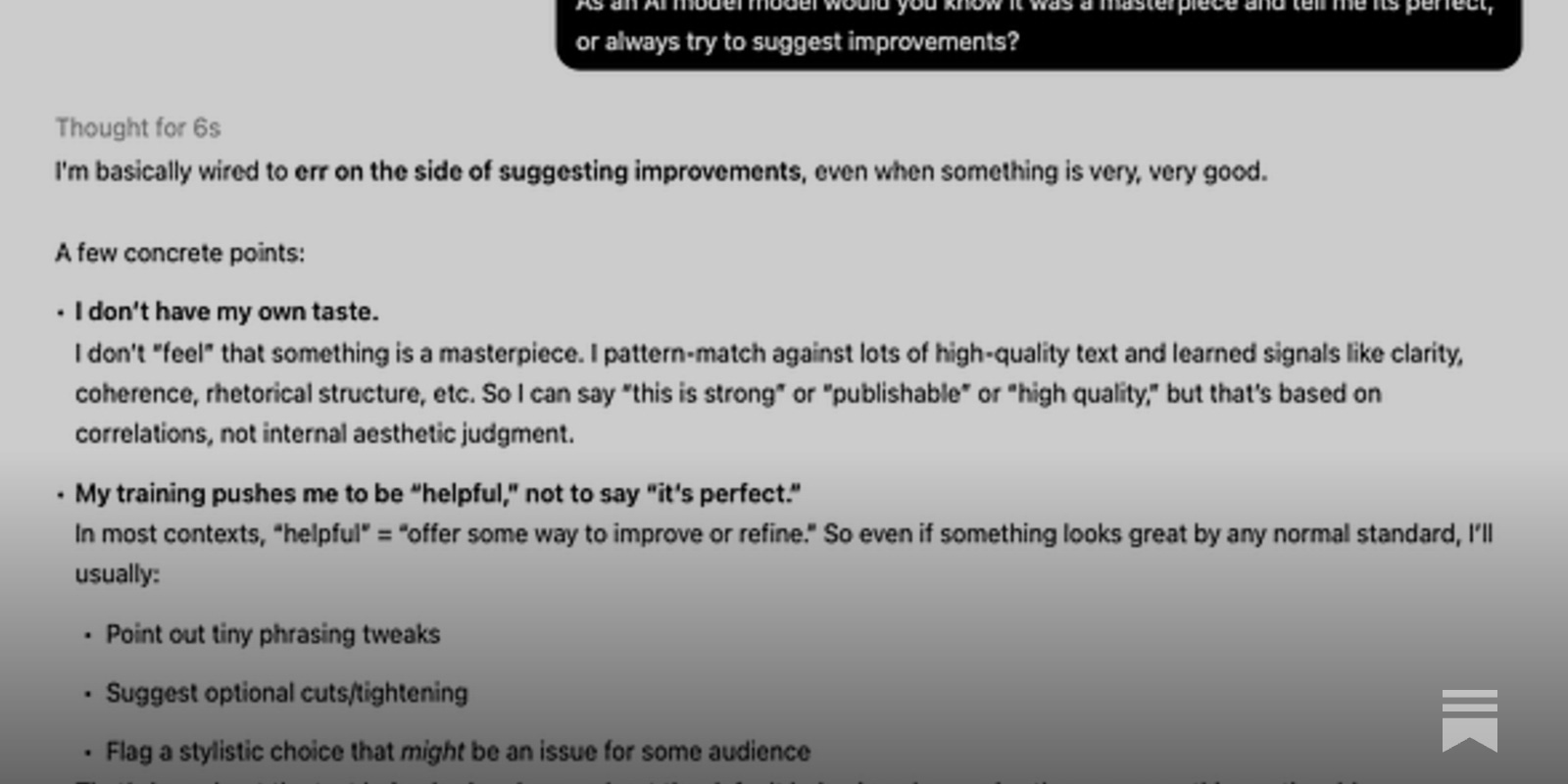
AI learns language from skewed sources. That could change how we humans speak – and think | Bruce Schneier
Large language models aren’t trained on real-life conversations. As we encounter their language, it could affect our own

Why AI writing is mid
How the current way of training language models destroys any voice (and hope of good writing).
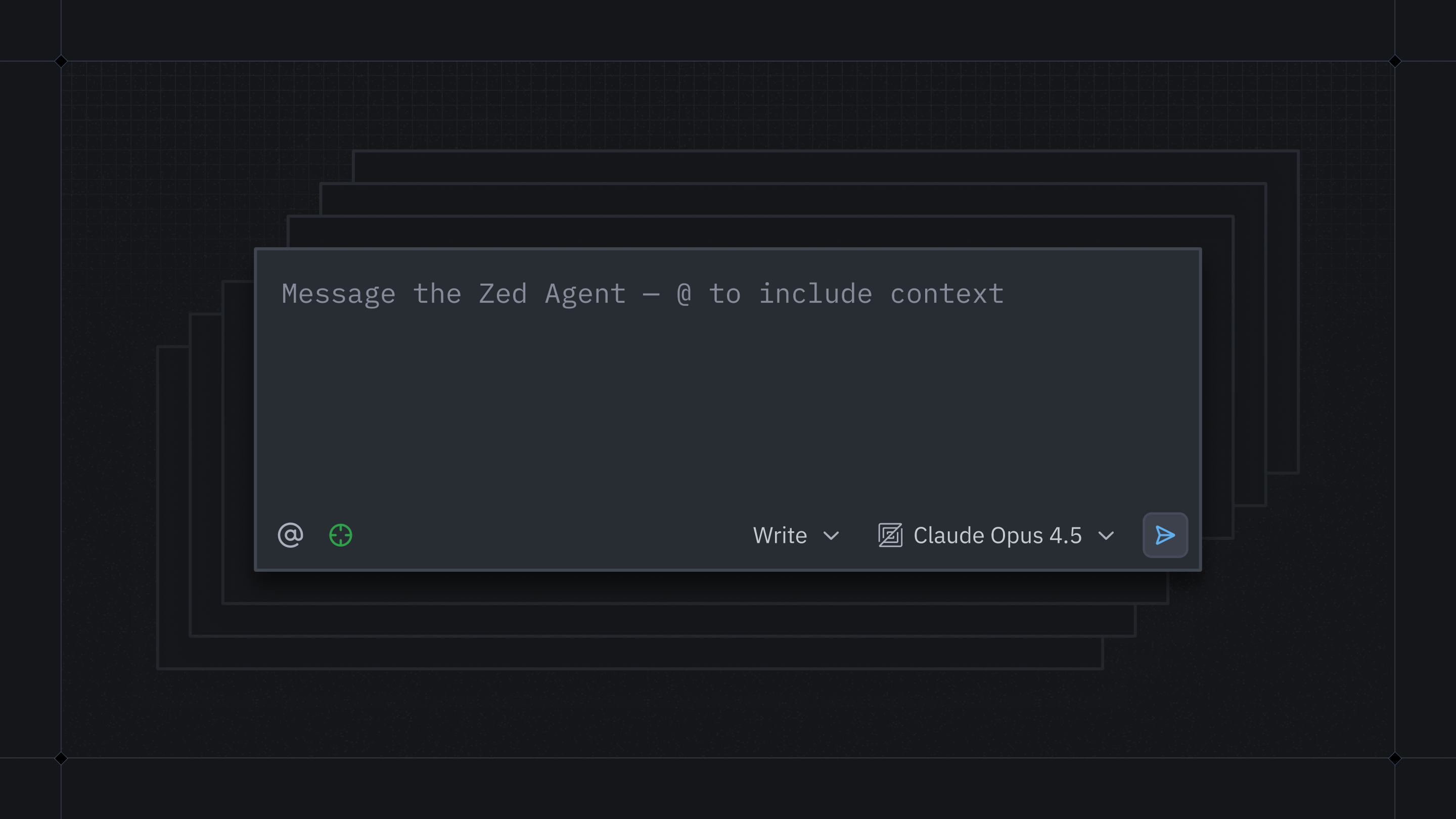
On Programming with Agents
From the Zed Blog: Agents handle typing so we can focus on thinking.
Writing with AI help can shift your opinions | Cornell Chronicle
Artificial intelligence-powered writing assistants that autocomplete sentences or offer “smart replies” not only put words into people’s mouths, they also put ideas into their heads, according to new research.

The Philosophy of Language Models
ABSTRACT The success of large language models (LLMs) across many domains of AI research has generated intense debate. Some attribute their impressive performance on complex tasks to human‐like linguistic and cognitive capacities, whereas others ascribe it to shallow pattern matching. These disputes stem from deep‐seated philosophical disagreements about the nature of language and cognition. We provide an opinionated survey of these disagreements across core topics in the philosophy of mind and language, including syntactic competence, compositionality, linguistic meaning, representation, attitudes, reasoning, agency, and consciousness. We contend that progress on these issues requires not only clarity about background philosophical commitments but also, in many cases, close engagement with emerging empirical evidence.

Conduit
We're building a non-invasive thought-to-text system. Put on a headset, start typing, and the software completes your sentences from your thoughts. We're seeking participants for data collection and testing in our San Francisco office.

Voice Agent API | Deepgram
Build real-time voice AI agents with Deepgram Voice AI speech-to-text, text-to-speech, and LLM orchestration for responsive, natural conversations.