


A living campaign hub for reporting, public letters, graphics, press coverage, social circulation, infrastructure status, and ways to act before September 25.
Open Letter: Communications Infrastructure Is Not Terrorism

25 years after 9/11, our definition of terrorism continues to expand : Code Switch
In the 25 years since 9/11, we've seen the definition of terrorism expand. The Trump administration has called more and more groups “terrorists,” from “narco-terrorists” in Ecuador to people who protest ICE to the entire Democratic party. This week, our conversation with Saher Selod, an expert on the surveillance of Muslims, about the effects of the war on terror after 9/11, and historian Alex Lubin about how the word “terrorist” has been used to enact violence and surveillance.Support public media with NPR+ and enjoy perks for over 25 podcasts like this one. This show’s perks include sponsor-free listening. Learn more at plus.npr.org.
The Attention Forum: October 23/24th 2025
The internet was initially sold to us as a force for connection – a borderless, democratizing set of technologies that would amplify voices, allow us to spread ideas, and strengthen civil society.

Open Letter: Communications Infrastructure Is Not Terrorism
Defend Autistici/Inventati and the right to build resistant communication *Letter for individuals to send to their reps, senators, and the like is at the end of this article* On August 26, 2026, the United States designated the Italian volunteer technology collective Autistici/Inventati as a Specially Designated Global Terrorist
Disrupting Dark Networks
Disrupting Dark Networks focuses on how social network analysis can be used to craft strategies to track, destabilize and disrupt covert and illegal networks. The book begins with an overview of the key terms and assumptions of social network analysis and various counterinsurgency strategies. The next several chapters introduce readers to algorithms and metrics commonly used by social network analysts. They provide worked examples from four different social network analysis software packages (UCINET, NetDraw, Pajek and ORA) using standard network data sets as well as data from an actual terrorist network that serves as a running example throughout the book. The book concludes by considering the ethics of and various ways that social network analysis can inform counterinsurgency strategizing. By contextualizing these methods in a larger counterinsurgency framework, this book offers scholars and analysts an array of approaches for disrupting dark networks.
Mossberg: The tyranny of messaging and notifications
Can we endure even one more communications service?

The Server Called Paranoia: Defend Autistici/Inventati Before September 25 – Sabot Media
For twenty-five years, an Italian hacker collective has built communications infrastructure designed to survive censorship, surveillance and police raids. On August 26, the United States designated it a terrorist organization. On September 25, the wind-down period ends.
Activist Blogging Platform Shuts Down After Terrorism Designation - UNICORN RIOT
Washington DC — On August 26, 2026, the U.S. Departments of State and the Treasury designated a volunteer tech collective behind a popular activist blogging platform a terrorist organization. Autistici/Inventati (A/I), the Italian collective behind NoBlogs.org, now joins such organizations as the Islamic State group and al Qaeda on the list of Specially Designated Global […]
people and governance
researching power and contestation in transnational media infrastructures

The State Department’s X Directive and the End of Platform Independence
A cable endorsing a social media platform by name as a tool of U.S. diplomacy and military psychological operations would have been unthinkable—until recently.

How 9/11 changed the way America surveils its citizens • Stateline
The terrorist attacks of Sept. 11, 2001, transformed how American intelligence and law enforcement agencies collect, share and analyze information. Twenty-five years later, that infrastructure has merged with a digital world capable of generating vast amounts of data about Americans — and artificial intelligence is making it easier to connect and analyze that information. The result is a surveillance system far more powerful than anything imaginable in 2001, raising new questions about privacy, policing and civil liberties.

Exclusive: FBI’s New Political Pre-Crime Center
Are your views on the list of 'domestic terrorism' indicators?
The Local Connection Crisis: New Data on What Communities Need
Press Release · Keep the Internet free
On August 26, 2026, the U.S. Department of the Treasury, through OFAC (Office of Foreign Assets Control – the authority responsible for managing and enforcing economic and financial sanctions) sanctioned Autistici/Inventati (A/I), an Italian collective that has been providing digital infrastructure – email, hosting, mailing lists, chat, videoconferencing, streaming, and services related to privacy and anonymity – to movements and activists since 2001. Washington designated it as a Specially Designated Global Terrorist (SDGT), alleging that it has provided financial, material or technological support to terrorism and to organizations already subjected to sanctions. A/I rejects the allegations and declares that its activities consist in providing tools for digital self-defence and infrastructure for the freedom of communication.
“Terrorism”

NSPM-7 and other expansions of “terrorist” designations, criminalizing protests and other nonviolent forms of political dissent, etc.

NLG Condemns OFAC Designation of Palestine Action and Autistici/Inventati, Calls for Challenges - National Lawyers Guild
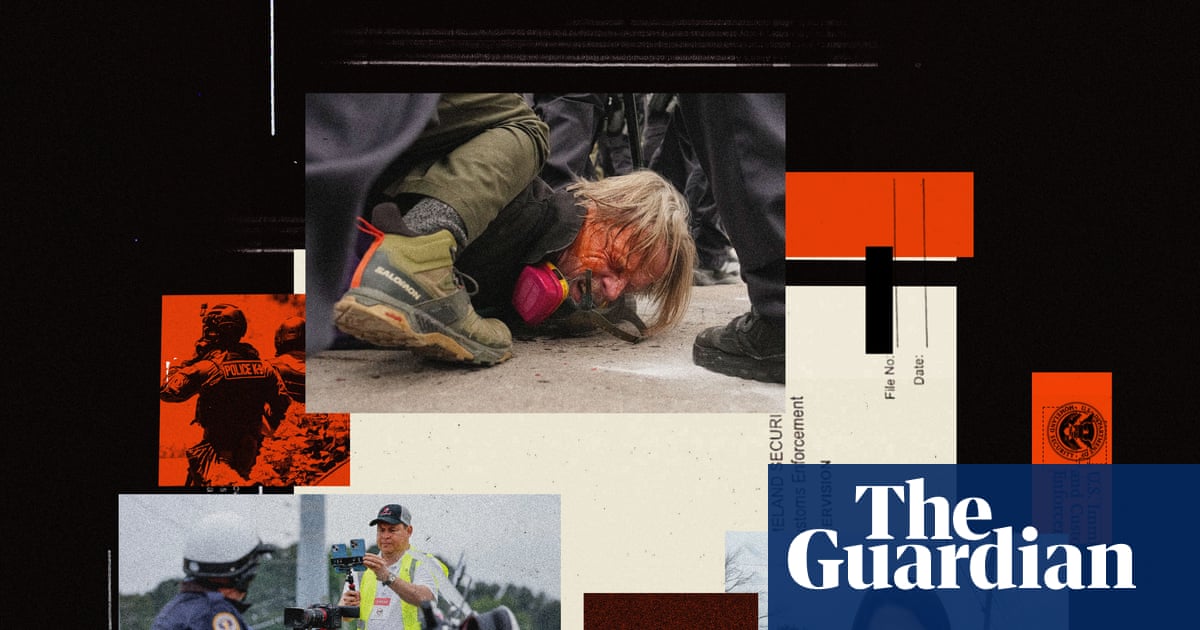
Freedom oppressed: the journalists caught up in Trump’s ICE crackdown

Mass Arrests by Trump's ICE, CBP Repeatedly Fail Under Scrutiny — ProPublica

Rubio and Miller warn of the ‘mortal threat’ of ‘far-left terror’ in speech to 67 countries | CNN Politics
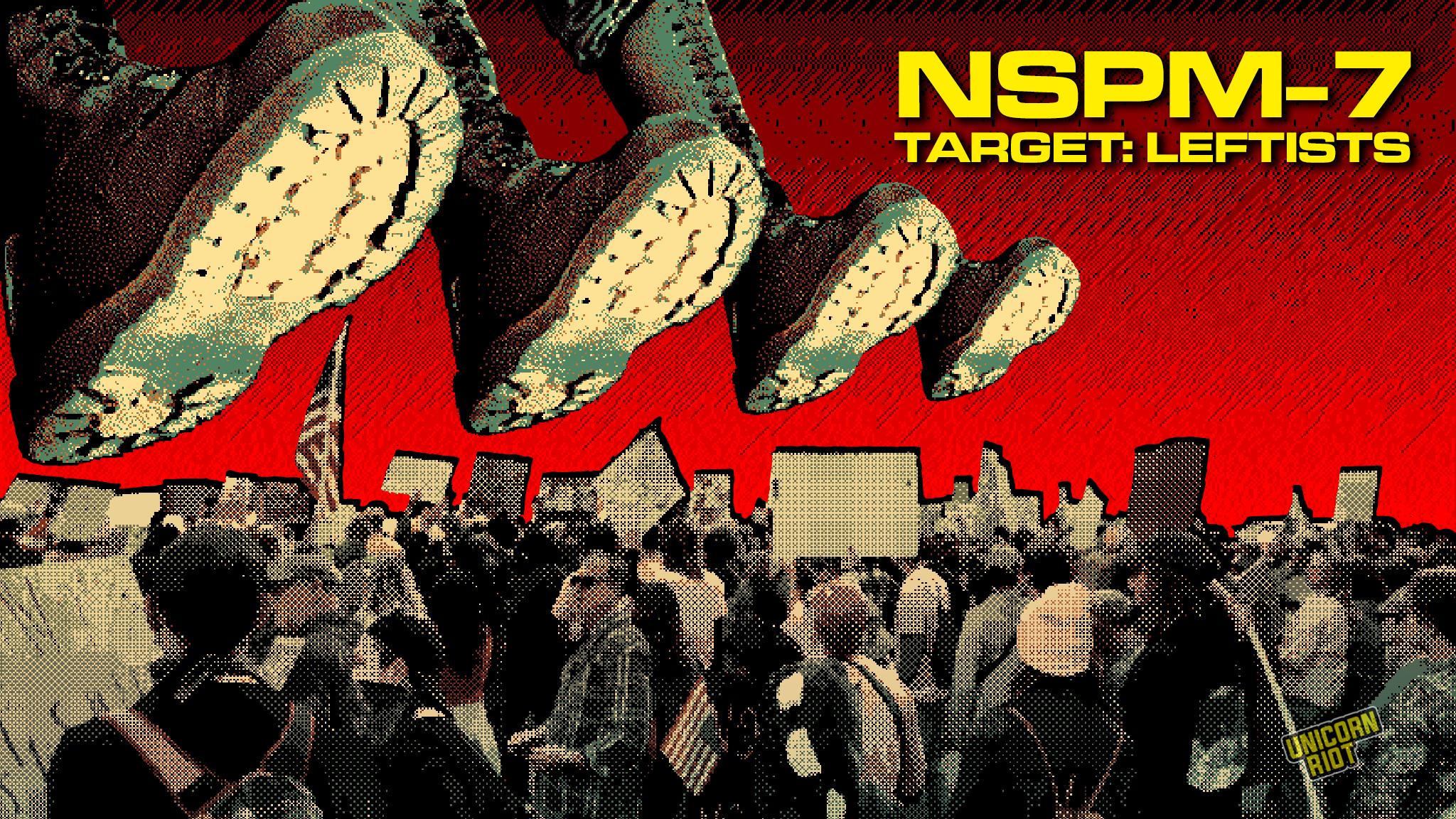
The War on Terror Turns Left - UNICORN RIOT

How the Administration Picks Its Targets, Then Picks the Crime