

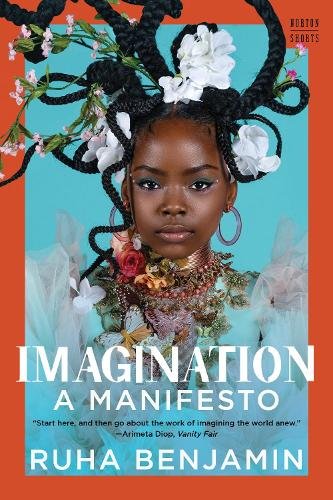
Richard Stallman’s GNU Manifesto Turns Thirty | The New Yorker
archived 31 Dec 2024 11:59:05 UTC

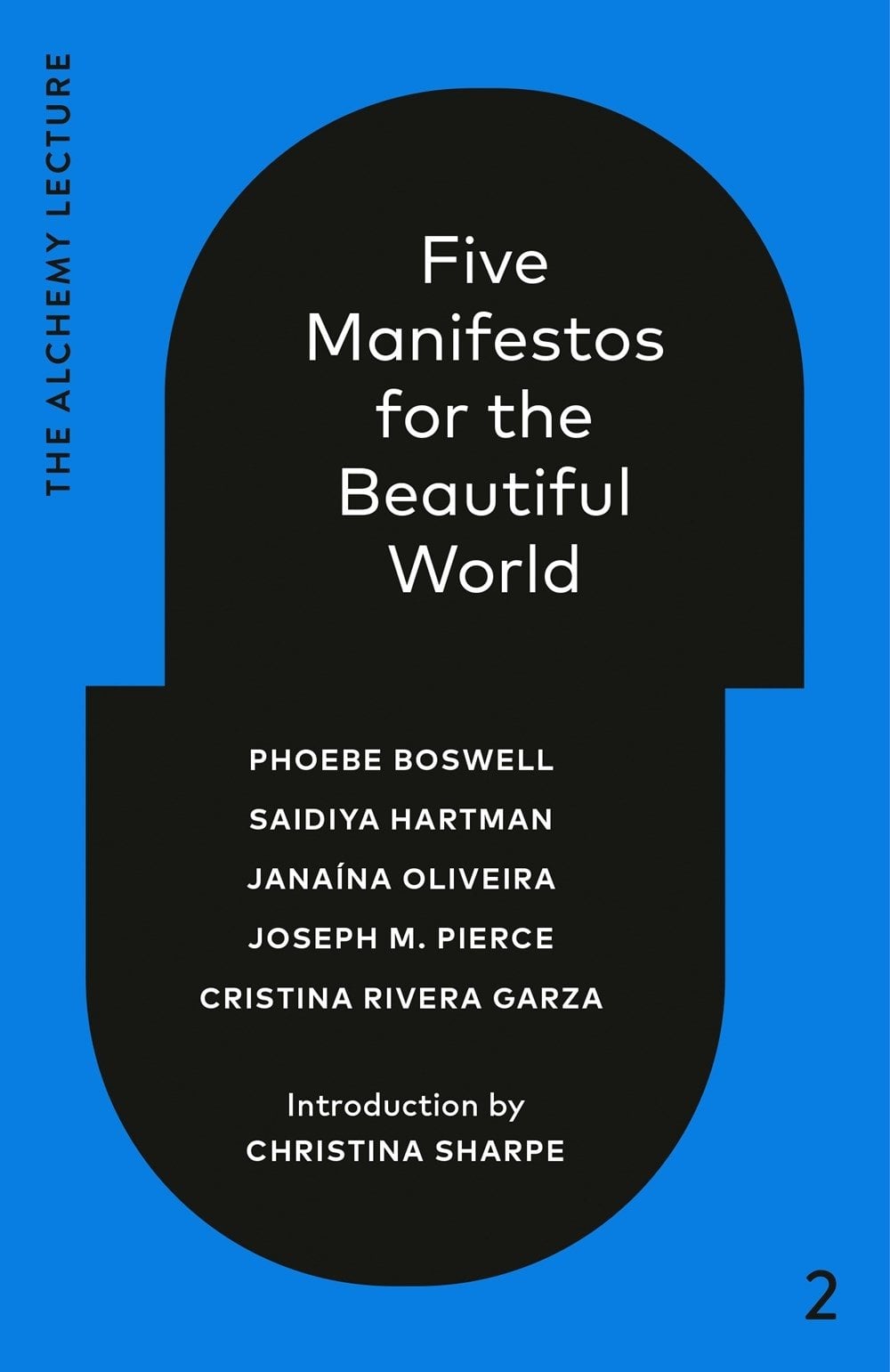
Five Manifestos for the Beautiful World: The Alchemy Lecture 2023
The Alchemy Lecture 2023
A Manifesto for a Future Philosophy (guest post) - Daily Nous
“This project of re-envisaging, looking at past ideas, and developing new ones to deal with our difficult situation will take the work of many people…” […]
The “Resonant Computing Manifesto” is not very good


The GNU Manifesto - GNU Project - Free Software Foundation
archived 10 Nov 2021 20:17:21 UTC

The GNU Manifesto - GNU Project - Free Software Foundation
archived 10 Nov 2021 20:17:21 UTC
on ui as a metaphor
a personal manifesto and declaration - also known as I am threading a connection through all the notes I've sent myself over the last six months
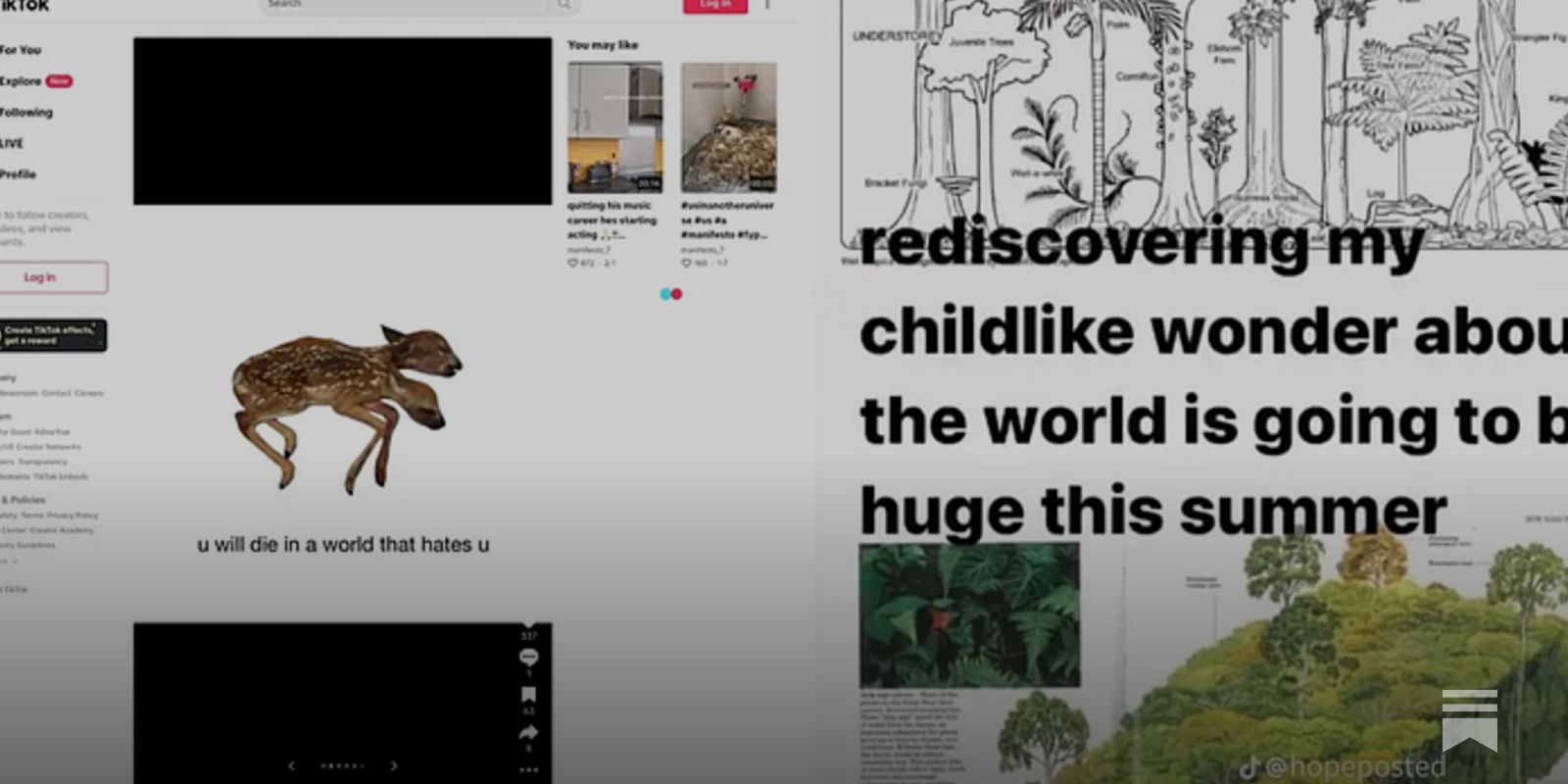
A Solarpunk Manifesto
William Joseph Gillam A Solarpunk Manifesto Turning Imaginary into Reality 10 August 2023
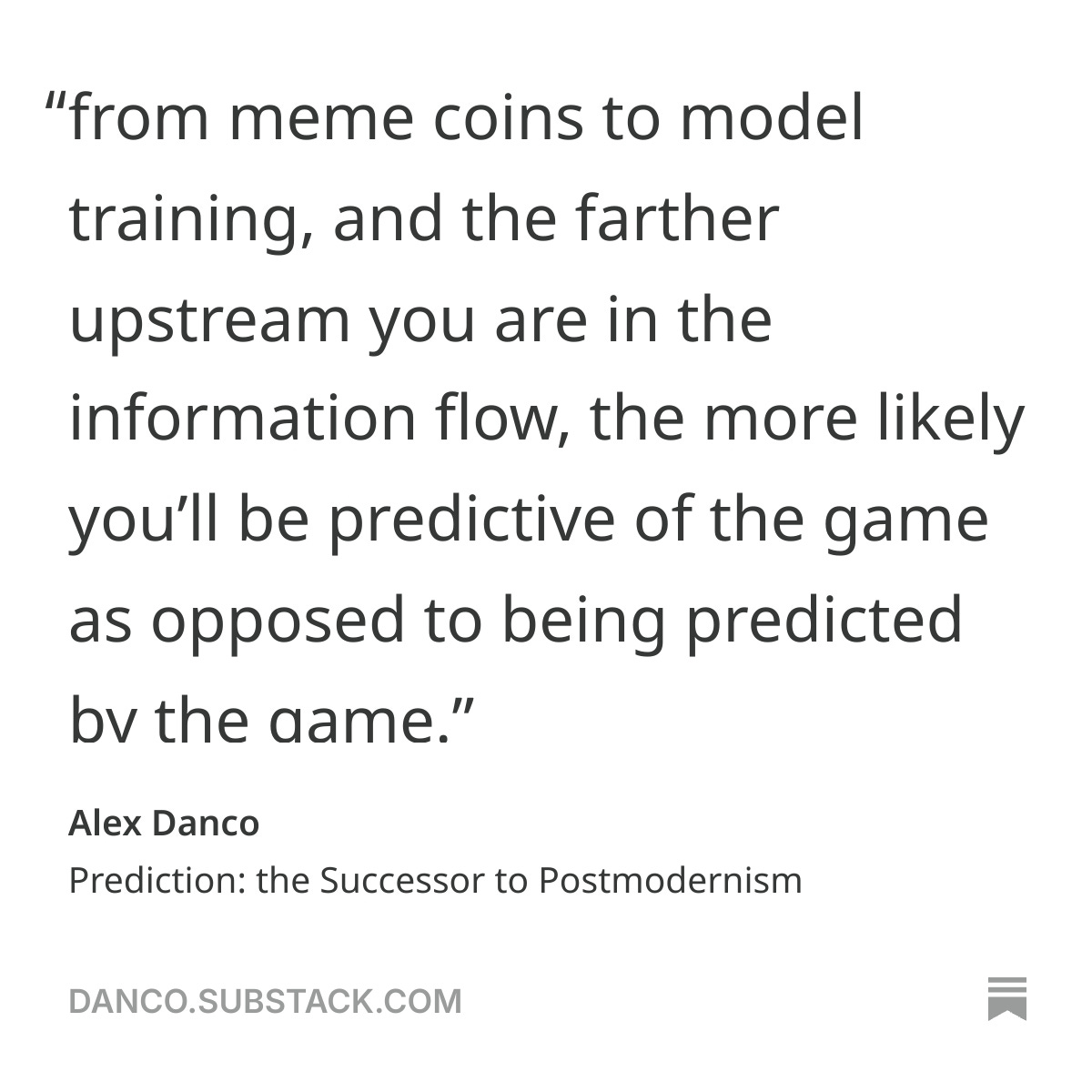
The Resonant Computing Manifesto by Techdirt
Deconstructing the algorithmic sublime
This special theme contextualizes, examines, and ultimately works to dispel the feelings of “sublime”—of awe and terror that overrides rational thought—that much of the contemporary public discourse on algorithms encourages. Employing critical, reflexive, and ethnographic techniques, these authors show that while algorithms can take on a multiplicity of different cultural meanings, they ultimately remain closely connected to the people who define and deploy them, and the institutions and power relations in which they are embedded. Building on a conversation we began at the Algorithms in Culture conference at U.C. Berkeley in December 2016, we collectively study algorithms as culture (Seaver, this special theme), fetish (Thomas et al.), imaginary (Christin), bureaucratic logic (Caplan and boyd), method of governance (Coletta and Kitchin; Lee; Geiger), mode of inquiry (Baumer), and mode of power (Kubler). [Box: see text]

