

Structure and Interpretation of Computer Programs, 2e: Top
The Topos of Programming | Yon
A topos-oriented programming language. Native via MLIR and LLVM, with a content-addressed heap on the Leech lattice.
Resugaring | Proceedings of the 35th ACM SIGPLAN Conference on Programming Language Design and Implementation
Syntactic sugar plays a crucial role in engineering programming languages. It offers convenient syntax and higher-level of abstractions, as witnessed by its pervasive use in both general-purpose and domain-specific contexts. Unfortunately, the ...

School of Computer Science - University of Birmingham
School of Computer Science homepage at the University of Birmingham

Systems that defy detailed understanding
Last week, I wrote about the mindset that computer systems can be understood, and behaviors can be explained, if we’re willing to dig deep enough into the stack of abstractions our software is built atop. Some of the ensuing discussion on Twitter and elsewhere lead me to write this followup, in which I want to run through a few classes of systems where I’ve found pursuing in-detail understanding of the system wasn’t the right answer.
10 Common Data Structures Explained with Videos + Exercises
“Bad programmers worry about the code. Good programmers worry about data structures and their relationships.” — Linus Torvalds, creator of Linux Update _My video course about Algorithms is now live! Check out Algorithms in Motion from Manning Publica...

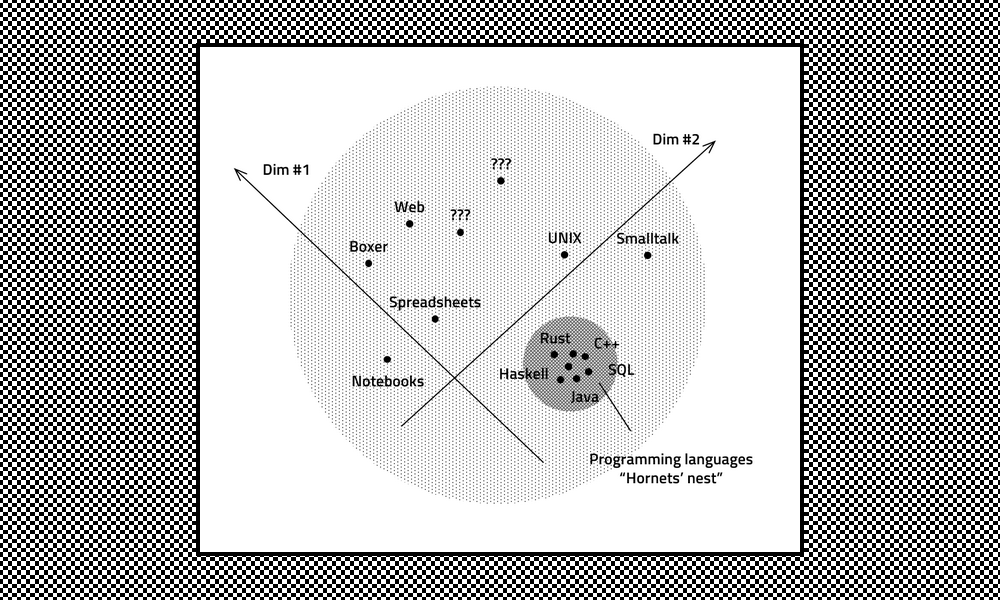
Technical dimensions of programming systems
Framework that captures the characteristics of programming systems, makes it possible to compare and better understand them and find interesting new points in their design space.
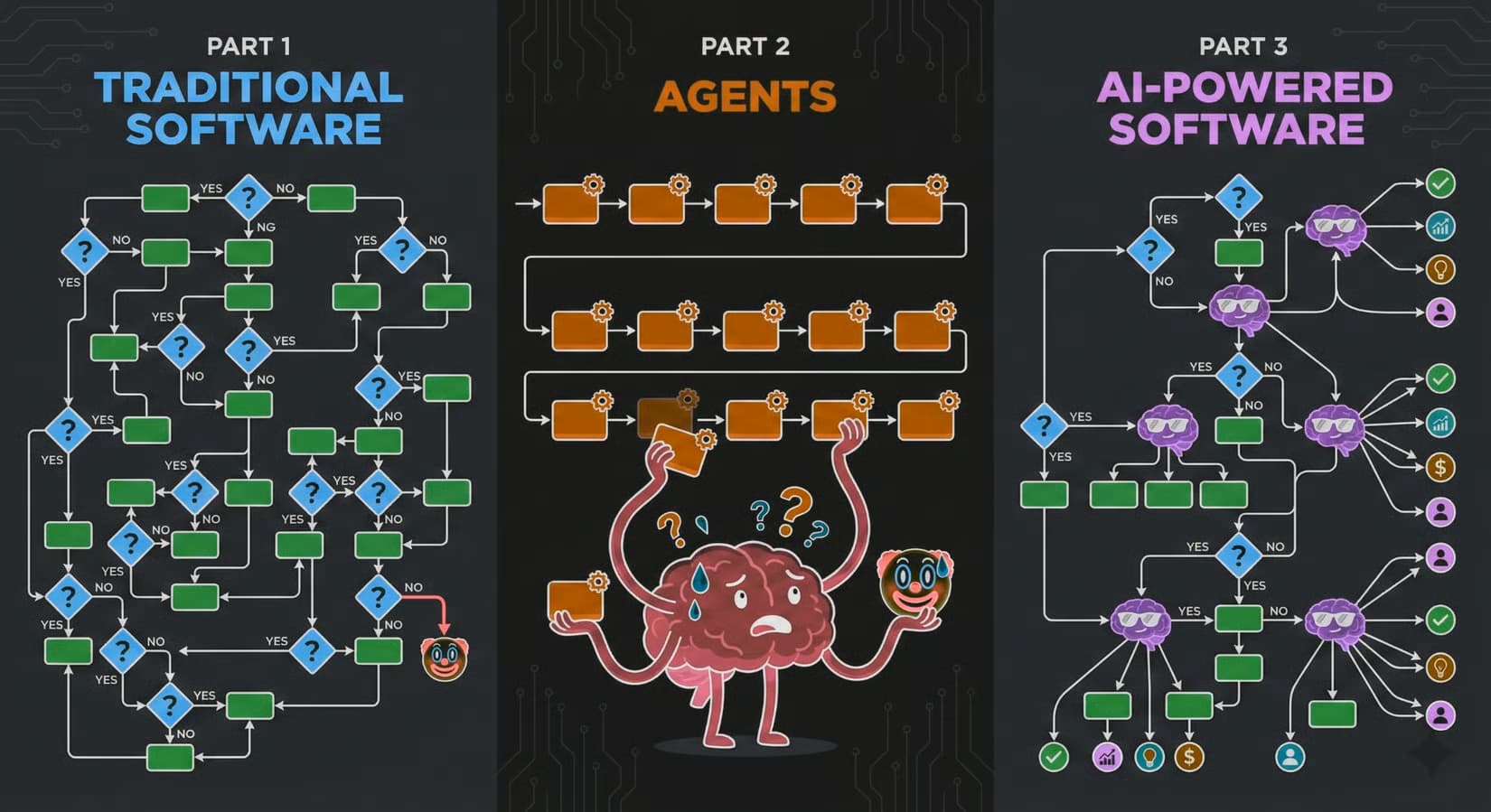
Modular: The Claude C Compiler: What It Reveals About the Future of Software
Compilers occupy a special place in computer science. They're a canonical course in computer science education. Building one is a rite of passage. It forces you to confront how software actually works, by examining languages, abstractions, hardware, and the boundary between human intent and machine execution.

Elements of Programming
After ten years in print, our publisher decided against further printings and reverted the rights to us. Elements of Programming is now available in two forms: a free PDF and a no-markup paperback.
Why Writing Correct Software Is Hard
We try to understand the relationship between programs and correctness, and in particular, why writing correct programs must be hard. We will review results from computability theory and complexity theory, and see that programs and complete understanding – which is required for correctness – are fundamentally at odds.

Its Time for a New Programming Language
Today, when compared to any other point in programming history, we find ourselves spoiled for choice when it comes to programming…

Factor programming language
The Factor programming language is a concatenative, stack-based programming language with high-level features including dynamic types, extensible syntax, macros, and garbage collection. On a practical side, Factor has a full-featured library, supports many different platforms, and has been extensively documented.
The State of the Octoverse: top programming languages of 2018
Take a closer look into why—and where—top programming languages are popular.
4. Mathematical science of computation and structured programming
Pony
An open-source, object-oriented, actor-model, capabilities-secure, high-performance programming language.
"Concatenative programming and stack-based languages" by Douglas Creager