


A potential new cure for baldness has been discovered using a drug originally intended to treat osteoporosis. BBC reports: Researchers found the drug had a dramatic effect on hair follicles in the lab, stimulating them to grow. It contains a compound which targets a protein that acts as a brake on h...
The End of Baldness? The Chemical Controlling Life and Death in Hair Follicles Identified - Neuroscience News
*Update* This understanding of stem cell behavior could offer significant solutions for a variety of medical problems and provide a potential cure for baldness.

UCLA discovers first stroke rehabilitation drug to repair brain damage
A new study by UCLA Health has discovered what researchers say is the first drug to fully reproduce the effects of physical stroke rehabilitation in model mice.
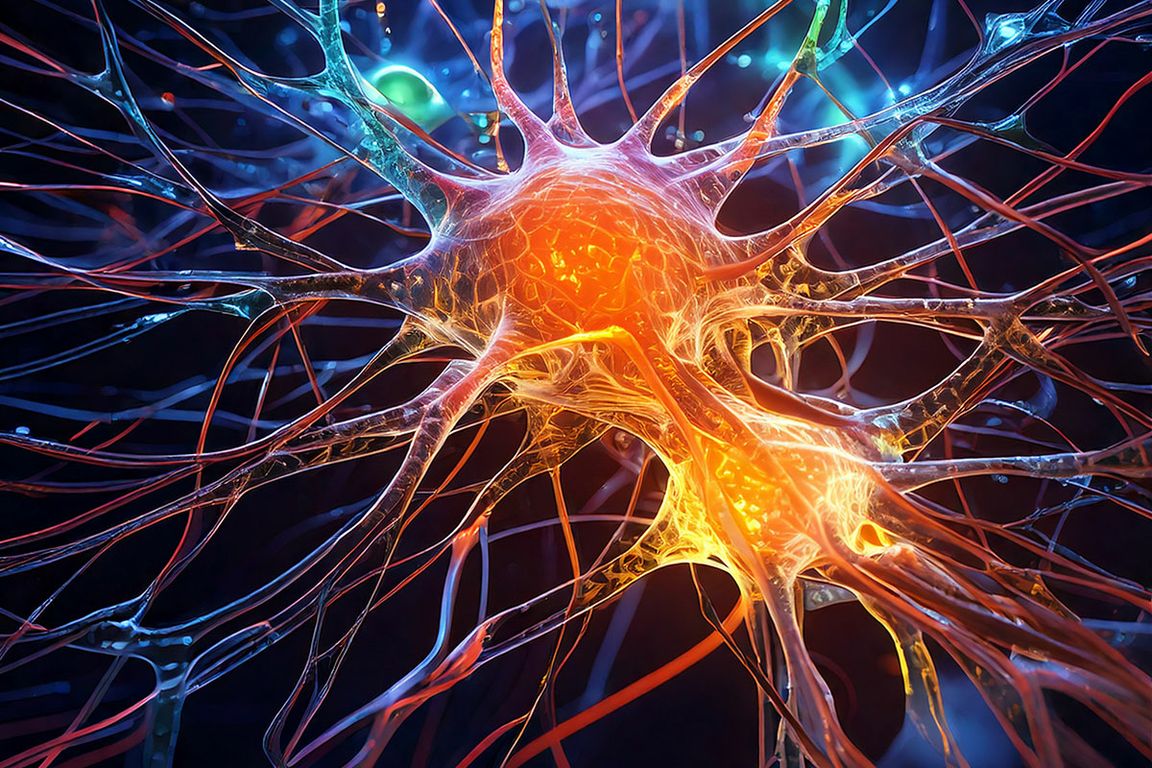
Scientists Discover Natural Compound That Stops Cancer Progression
Scientists have discovered a natural compound that can halt a key process involved in the progression of certain cancers and demyelinating diseases—conditions that damage the protective myelin sheath surrounding neurons, such as multiple sclerosis (MS).
Aniracetam... holy crap does it work!
For those familiar with Piracetam.. Aniracetam is another nootropic that is supposed to be more effective at lower dosages, and they're correct - it's effective. I took 2.6g of it about 3 hours...
Recent news claimed scientists at UCLA had solved hair loss. Is this true? Let's dive in 🧵
Recent news claimed scientists at UCLA had solved hair loss. Is this true? Let's dive in 🧵 pic.twitter.com/CaKB65wgKy— David Sinclair (@davidasinclair) July 3, 2025

Mexican scientist cures the Human Papilloma Virus
This scientific achievement was accomplished through photodynamic therapy, a non-invasive technique

Exclusive: 'Jaw-dropping' breakthrough hailed as landmark in fight
Development to revolutionise study and treatment of a range of diseases from cancer, incurable viruses such as HIV to inherited genetic disorders such as sickle-cell anaemia and Huntington’s disease

The Pill That Could Cure Depression by Growing Your Brain
If you are depressed, or schizophrenic or have Alzheimer's, scientists say you probably have a shrunken hippocampus. The good news: a drug that just

A computational framework and sensitivity analysis for the hormonal treatment of bone
It is concluded that intermittent administration of calcitonin is an effective therapy for the treatment of osteoporosis.

E + Raloxifene 5 week update
20 votes, 13 comments. 135K subscribers in the TransDIY community. Questions and resources related to Hormone Replacement Therapy (HRT), for…
CRISPR Now Cuts and Splices Whole Chromosomes - Slashdot
Researchers report they've adapted CRISPR and combined it with other tools to cut and splice large genome fragments with ease. The study, conducted by researchers at the Medical Research Council (MRC) Laboratory of Molecular Biology in Cambridge, U.K., has been published in this week's issue of Scie...

Forecasting the critical role of intermittent therapies for the control of bone resorption
Osteoporosis is a chronic metabolic disease characterized by an imbalance of bone resorption and formation, leading to bone fragility and increased susceptibility to fracture. Parathyroid hormone is approved therapy for the treatment of osteoporosis.

Psilocybin for major depression granted Breakthrough Therapy by FDA
The US Food and Drug Administration (FDA) has granted psilocybin therapy a Breakthrough Therapy designation for the second time in a year, this time with a view on accelerating trials testing its efficacy treating major depressive disorder (MDD).

Estrogen therapy for osteoporosis in the modern era
Menopause predisposes women to osteoporosis due to declining estrogen levels. This results in a decrease in bone mineral density (BMD) and an increase in fractures. Osteoporotic fractures lead to substantial morbidity and mortality, and are considered one of the largest public health priorities by the World Health Organization (WHO). It is therefore essential for menopausal women to receive appropriate guidance for the prevention and management of osteoporosis. The Women’s Health Initiative (WHI) randomized controlled trial first proved hormonal therapy (HT) reduces the incidence of all osteoporosis-related fractures in postmenopausal women. However, the study concluded that the adverse effects outweighed the potential benefits on bone, leading to a significant decrease in HT use for menopausal symptoms. Additionally, HT was not used as first-line therapy for osteoporosis and fractures. Subsequent studies have challenged these initial conclusions and have shown significant efficacy of HT in various doses, durations, regimens, and routes of administration. These studies support that HT improves BMD and reduces fracture risk in women with and without osteoporosis. Furthermore, the studies suggest that low-dose and transdermal HT are less likely associated with the adverse effects of breast cancer, endometrial hyperplasia, coronary artery disease (CAD), and venous thromboembolism (VTE) previously observed in standard-dose oral HT regimens. Given the need for estrogen in menopausal women and evidence supporting the cost effectiveness, safety, and efficacy of HT, we propose that HT should be considered for the primary prevention and treatment of osteoporosis in appropriate candidates. HT should be individualized and the once “lowest dose for shortest period of time” concept should no longer be used. This review will focus on the prior and current studies for various HT formulations used for the prevention and treatment of osteoporosis, exploring the safety profile of low-dose and transdermal HT that have been shown to be safer than oral standard-dose HT.
Overview of feminizing hormone therapy | Gender Affirming Health Program
The goal of feminizing hormone therapy is the development of female secondary sex characteristics, and suppression/minimization of male secondary sex characteristics. General effects include breast development (usually to Tanner stage 2 or 3), a redistribution of facial and body subcutaneous fat, reduction of muscle mass, reduction of body hair (and to a lesser extent, facial hair), change in sweat and odor patterns, and arrest and possible reversal of scalp hair loss. Sexual and gonadal effects include reduction in erectile function, changes in libido, reduced or absent sperm count and ejaculatory fluid, and reduced testicular size. Feminizing hormone therapy also brings about changes in emotional and social functioning. The general approach of therapy is to combine an estrogen with an androgen blocker, and in some cases a progestogen.
Nootropics - The Facts About "Smart Drugs" - Unfinished Man
Nootropics are a topic most have little knowledge of outside of scare articles in mass-market publications, and today I'm here to shed some light on them.
