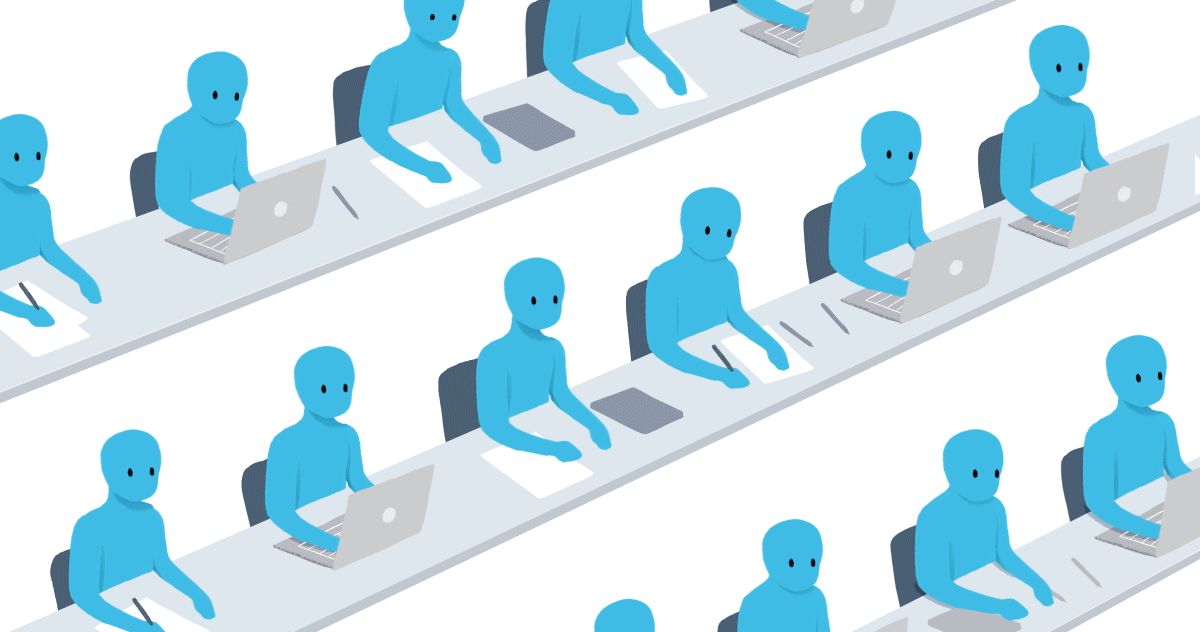
An anonymous reader shares a report: Physical labour is exhausting. A long run or a hard day's sweat depletes the body's energy stores, resulting in a sense of fatigue. Mental labour can also be exhausting. Even resisting that last glistening chocolate-chip cookie after a long day at a consuming des...

How to beat decision fatigue with better brain habits - Inside Atlassian
A lack of coffee isn't causing you to feel tired and overworked. The culprit is decision fatigue. Here are 5 top ways to take brain shortcuts and save energy.

Motivation Depends on How the Brain Processes Fatigue - Neuroscience News
People show a decrease in motivation to exert effort or work when feeling fatigued. Motivation can be restored if people are allowed a short rest, however for those with long-term fatigue, motivation does not improve following a short-term period of rest.

Depression's "Energy Crisis": Fatigue Starts at the Cellular Level - Neuroscience News
Depression-related fatigue is caused by cellular "overworking" at rest and a failure to produce energy under stress.

Why Your Brain Needs More Downtime
Research on naps, meditation, nature walks and the habits of exceptional artists and athletes reveals how mental breaks increase productivity, replenish attention, solidify memories and encourage creativity

AI fatigue is real and nobody talks about it | Siddhant Khare
You're using AI to be more productive. So why are you more exhausted than ever? The paradox every engineer needs to confront.
Being busy is killing our ability to think creatively
Here's why you should try to fit less—not more—into each day.

Procrastination Is More About Managing Emotions Than Time, Says Study - Slashdot
An anonymous reader quotes a report from the BBC: [A new study] identified two areas of the brain that determine whether we are more likely to get on with a task or continually put it off. Researchers used a survey and scans of 264 people's brains to measure how proactive they were. Experts say the...
When Using AI Leads to “Brain Fry”
As firms increasingly incentivize employees to build and oversee complex teams of agents—for example, by measuring and rewarding token consumption as a proxy for performance—people are finding themselves pushed to their cognitive limits. Participants in a recent study described a “buzzing” feeling or a mental fog with difficulty focusing, slower decision-making, and headaches. The authors call this phenomenon “AI brain fry,” defined as mental fatigue from excessive use or oversight of AI tools beyond one’s cognitive capacity. This AI-associated mental strain carries significant costs in the form of increased employee errors, decision fatigue, and intention to quit. The findings also show how AI-driven workflows can be designed to diminish burnout and point toward specific manager, team, and organizational practices to avoid mental fatigue even as AI work intensifies.

Why Am I So Damn Tired All the Time?
What science says about your perpetual sleepiness—and what you can do to fix it.
When one can work no more: The effects of burnout on your body
Continual stress is often associated with emotional problems, but it can also have major physical consequences, including heart attacks

Exhausting search for solutions to UK’s sharp rise in tiredness
Cost of living crisis, mental health issues and long Covid all thought to be factors, but we still know too little about fatigue

Is full-time work bad for our brains?
If you’re over 40, working more than 25 hours a week could be affecting your intelligence, new research suggests

Running on Empty | The Scientist
Regularly taking breaks from eating—for hours or days—can trigger changes both expected, such as in metabolic dynamics and inflammation, and surprising, as in immune system function and cancer progression.

Overtaxed Working Memory Knocks the Brain Out of Sync | Quanta Magazine
Researchers find that when working memory gets overburdened, dialogue between three brain regions breaks down. The discovery provides new support for a larger concept about how the brain works.

Laziness Does Not Exist
Psychological research is clear: when people procrastinate, there's usually a good reason