


The World Health Organization (WHO) on Monday released guidance on non-sugar sweeteners (NSS), recommending against using them to control body weight. From the report: The recommendation is based on the findings of a systematic review of the available evidence which suggests that use of NSS does no...
WHO advises against use of artificial sweeteners for weight control
New guidelines from the UN health agency released on Monday have advised against using non-sugar sweeteners (NSS) as a weight control aid or to reduce the risk of noncommunicable diseases.

The food industry is gaslighting us on the harms of sugar
Questionable industry-funded review tries to cast doubt on harms of excess sugar.
Sugar industry bought off scientists, skewed dietary guidelines for decades
Harvard researchers got hefty sums to downplay role of sweets in heart disease.
The sugar conspiracy: sugar—not fat—is the greatest danger to our health | Hacker News
I've lost about 100lbs in 2.5 years... The only thing that I really changed was doing a Keto diet. I've learned a lot about nutrition along the way, and it's amazing how bad nutrition info was when I was growing up..
The sugar conspiracy | Ian Leslie
The Long Read: In 1972, a British scientist sounded the alarm that sugar – and not fat – was the greatest danger to our health. But his findings were ridiculed and his reputation ruined. How did the world’s top nutrition scientists get it so wrong for so long?
The sugar conspiracy | Ian Leslie
The Long Read: In 1972, a British scientist sounded the alarm that sugar – and not fat – was the greatest danger to our health. But his findings were ridiculed and his reputation ruined. How did the world’s top nutrition scientists get it so wrong for so long?
Sugar’s Sick Secrets
The sugar industry has driven decades of biased research that shirk sugar's responsibility for chronic disease. UCSF researchers are uncovering thousands of industry documents to combat this misinformation, and steer Americans away from what is becoming a growing health crisis.
Artificial Sweeteners May Change Our Gut Bacteria in Dangerous Ways
Substances such as saccharin may alter the type of bacteria inside us, could lead to obesity

PTAB Affirms § 101 Rejection of Synthetic Milk Sugar Mixture
The Patent Trial and Appeal Board recently affirmed the 35 U.S.C. § 101 rejection of patent claims for a mixture of three human milk oligosaccharides (HMOs), finding the mixture to be ineligible for patenting

Opinion | Big Sugar’s Secret Ally? Nutritionists (Published 2017)
The scientific consensus that all calories are equally fattening is outdated and dangerous.

Opinion | Big Sugar’s Secret Ally? Nutritionists (Published 2017)
The scientific consensus that all calories are equally fattening is outdated and dangerous.
Sugar industry withheld research into effects of sucrose 50 years ago, study claims
Researchers say negative health impacts of sucrose could have been combated sooner had research been released – but industry bodies dispute the findings
What The Industry Knew About Sugar's Health Effects, But Didn't Tell Us
The sugar industry pulled the plug on an animal study it funded in the 1960s. Initial results pointed to a link between sugar consumption and elevated triglycerides, which raises heart disease risk.

Is Sugar Toxic? (Published 2011)
That it makes us fat is something we take for granted. That it might also be making us sick is harder to accept.

Sugar intake from sweet food and beverages, common mental disorder and depression: prospective findings from the Whitehall II study
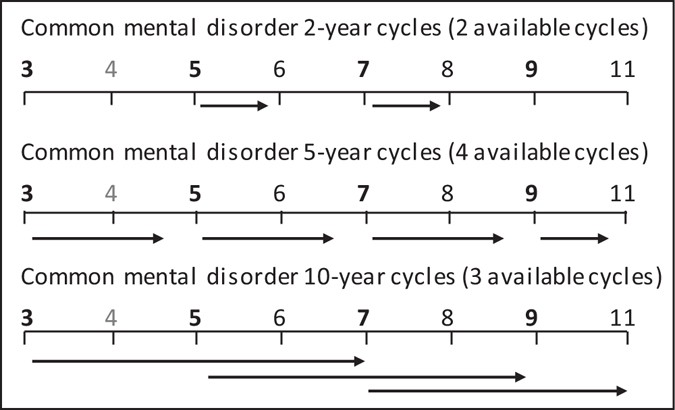
Intake of sweet food, beverages and added sugars has been linked with depressive symptoms in several populations. Aim of this study was to investigate systematically cross-sectional and prospective associations between sweet food/beverage intake, common mental disorder (CMD) and depression and to examine the role of reverse causation (influence of mood on intake) as potential explanation for the observed linkage. We analysed repeated measures (23,245 person-observations) from the Whitehall II study using random effects regression. Diet was assessed using food frequency questionnaires, mood using validated questionnaires. Cross-sectional analyses showed positive associations. In prospective analyses, men in the highest tertile of sugar intake from sweet food/beverages had a 23% increased odds of incident CMD after 5 years (95% CI: 1.02, 1.48) independent of health behaviours, socio-demographic and diet-related factors, adiposity and other diseases. The odds of recurrent depression were increased in the highest tertile for both sexes, but not statistically significant when diet-related factors were included in the model (OR 1.47; 95% CI: 0.98, 2.22). Neither CMD nor depression predicted intake changes. Our research confirms an adverse effect of sugar intake from sweet food/beverage on long-term psychological health and suggests that lower intake of sugar may be associated with better psychological health.
The case for treating sugar like a dangerous drug
Vox is a general interest news site for the 21st century. Its mission: to help everyone understand our complicated world, so that we can all help shape it. In text, video and audio, our reporters explain politics, policy, world affairs, technology, culture, science, the climate crisis, money, health and everything else that matters. Our goal is to ensure that everyone, regardless of income or status, can access accurate information that empowers them.
