


An anonymous reader quotes an opinion piece from The Guardian, written by Prof Mark Pallen and Dr Aimee Parker (Quadram Institute, Norwich), Prof Nick Loman (University of Birmingham), Prof Alan Walker (University of Aberdeen): Contrary to what is implied in [this article], the weight of expert opin...
The Invisible Organ Shaping Our Lives: Milestones in Human Microbiota Research - The MIT Press Reader
A survey of over 300 years of microbiome research.
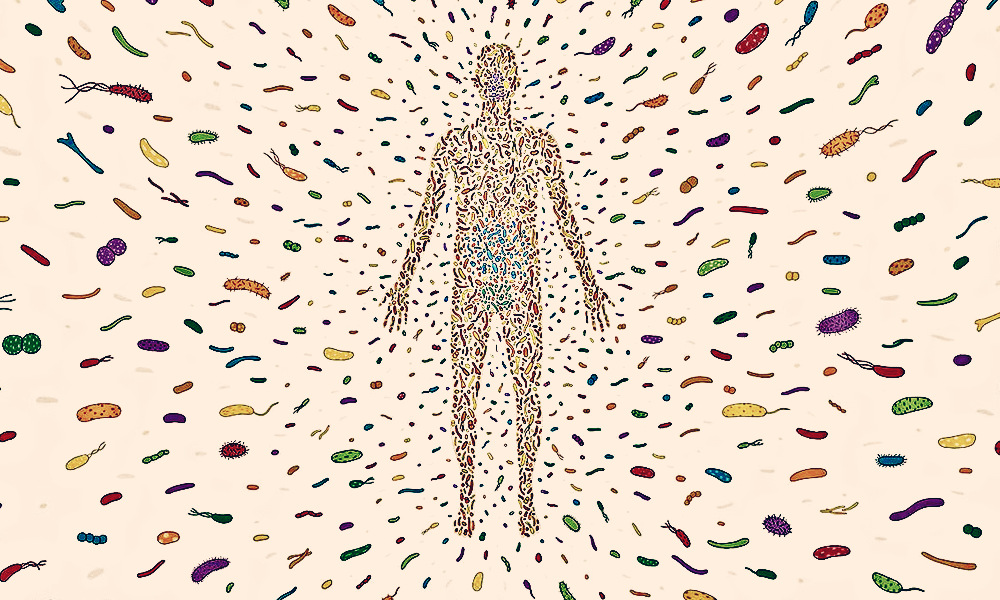
Human microbiome myths and misconceptions
Over the past two decades, interest in human microbiome research has increased exponentially. Regrettably, this increased activity has brought with it a degree of hype and misinformation, which can undermine progress and public confidence in the research. Here we highlight selected human microbiome myths and misconceptions that lack a solid evidence base. By presenting these examples, we hope to draw increased attention to the implications of inaccurate dogma becoming embedded in the literature, and the importance of acknowledging nuance when describing the complex human microbiome.
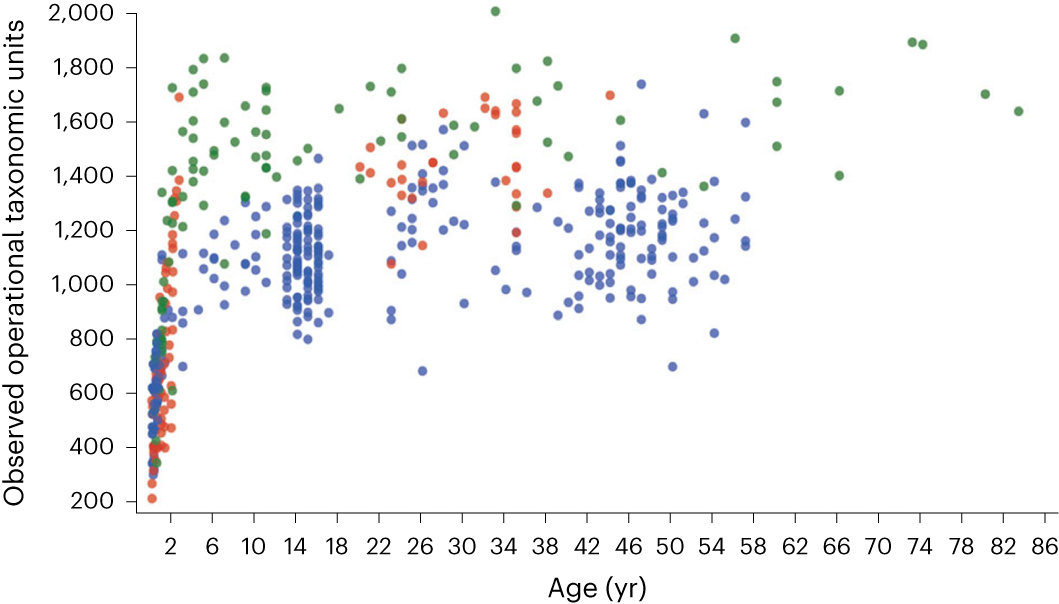
Scientists discover links between Alzheimer's disease and gut microbiota | King's College London
New research has identified links between gut bacteria, inflammation and brain changes associated with Alzheimer’s disease.
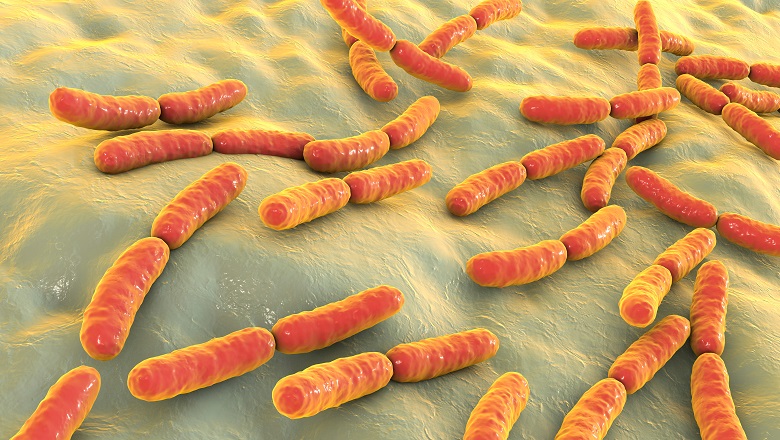
Research That Potentially Links Autism and Brain-Gut Microbiome - Neuroscience News
A new review of almost 200 publications suggests the gut microbiota may play a critical role in modulating brain function, social behavior and other symptoms of autism.
Scientists Have Made a Human Microbiome From Scratch - Slashdot
To better understand how microbes affect our health, researchers combined 119 species of bacteria naturally found in the human body. From a report: Our bodies are home to hundreds or thousands of species of microbes -- nobody is sure quite how many. That's just one of many mysteries about the so-cal...

Cognition without brains? Learning and memory in microorganisms
Memory and learning are cognitive abilities typically associated with animals that possess a complex nervous system. Interestingly, recent studies suggest that microorganisms might also display learning-like behaviours. However, a factor limiting progress in this field is the lack of shared, microbe-specific frameworks that allow microbiologists to easily compare discoveries with concepts developed in cognitive sciences. In this review, we aim to bridge this gap by providing a conceptual overview of the definitional requirements for memory and learning to classify microbial behaviours and capabilities. Additionally, we identify and address problems that cause conceptual ambiguity in the microbial cognition literature, thereby facilitating more productive debates on the topic. Finally, we provide a novel perspective on how microbes might ‘learn’ from each other.

How Bacteria Rule Over Your Body – The Microbiome
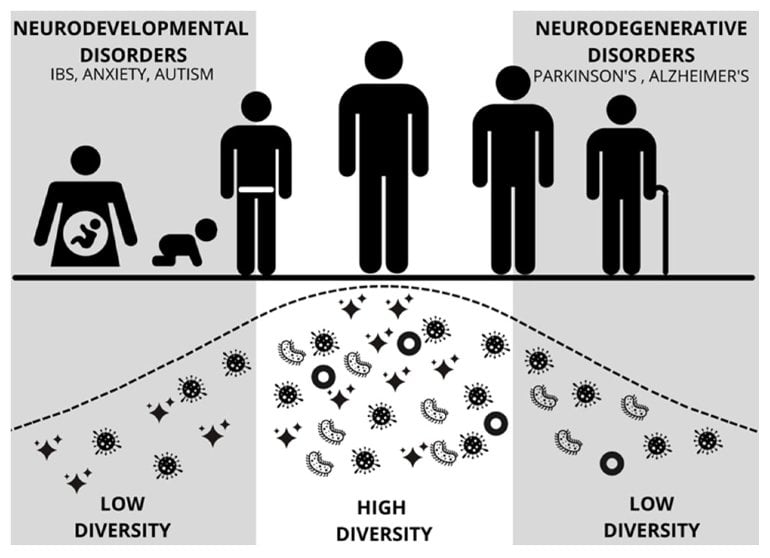
Role of diet and its effects on the gut microbiome in the pathophysiology of mental disorders
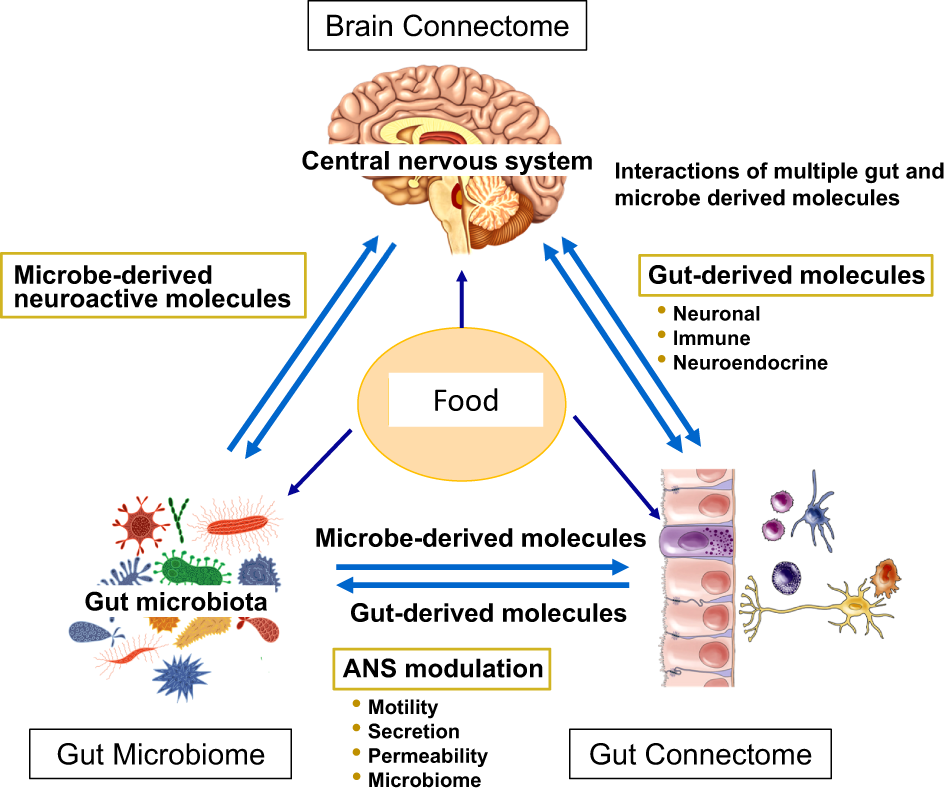
There is emerging evidence that diet has a major modulatory influence on brain-gut-microbiome (BGM) interactions with important implications for brain health, and for several brain disorders. The BGM system is made up of neuroendocrine, neural, and immune communication channels which establish a network of bidirectional interactions between the brain, the gut and its microbiome. Diet not only plays a crucial role in shaping the gut microbiome, but it can modulate structure and function of the brain through these communication channels. In this review, we summarize the evidence available from preclinical and clinical studies on the influence of dietary habits and interventions on a selected group of psychiatric and neurologic disorders including depression, cognitive decline, Parkinson’s disease, autism spectrum disorder and epilepsy. We will particularly address the role of diet-induced microbiome changes which have been implicated in these effects, and some of which are shared between different brain disorders. While the majority of these findings have been demonstrated in preclinical and in cross-sectional, epidemiological studies, to date there is insufficient evidence from mechanistic human studies to make conclusions about causality between a specific diet and microbially mediated brain function. Many of the dietary benefits on microbiome and brain health have been attributed to anti-inflammatory effects mediated by the microbial metabolites of dietary fiber and polyphenols. The new attention given to dietary factors in brain disorders has the potential to improve treatment outcomes with currently available pharmacological and non-pharmacological therapies.
Bacteria in the gut have a direct line to the brain
With its 100 million neurons, the gut has earned a reputation as the body's "second brain"—corresponding with the real brain to manage things like intestinal muscle activity and enzyme secretions. A growing ...

The gut microbiome may influence brain aging, mouse study suggests
A communication pathway between the brain and the gut may be integral to how well the brain holds on to memories
Persistence pays off in the human gut microbiome
The human gut microbiome is a complex community of trillions of microbes that are constantly interacting with each other and our bodies. It supports our wellbeing, immune system and mental health—but ...

Scientists bust myth that our bodies have more bacteria than human cells
Decades-old assumption about microbiota revisited.

Blood type co-determines composition of the gut microbiome
For several years, scientists worldwide have been investigating the extent to which microorganisms living in and on the human body influence central life processes and thus health and disease. Today they ...

The cognitive cell: bacterial behavior reconsidered
Research on how bacteria adapt to changing environments underlies the contemporary biological understanding of signal transduction, and signal transduction provides the foundation of the information-processing approach that is the hallmark of the ‘cognitive revolution,’ which began in the mid-20th century. Yet cognitive scientists largely remain oblivious to research into microbial behavior that might provide insights into problems in their own domains, while microbiologists seem equally unaware of the potential importance of their work to understanding cognitive capacities in multicellular organisms, including vertebrates. Evidence in bacteria for capacities encompassed by the concept of cognition is reviewed. Parallels exist not only at the heuristic level of functional analogue, but also at the level of molecular mechanism, evolution and ecology, which is where fruitful cross-fertilization among disciplines might be found.

Gut–brain link grabs neuroscientists
Idea that intestinal bacteria affect mental health gains ground.
so I just commented on that paper in Cell Host and Microbe that is cited as evidence that the autism/microbiome link is solid: pubpeer.com/publications/9A4B5695950D3396… (not sure what the word “precision” is supposed to mean in the title) tldr; looks p-hacked 🫤 and I couldn’t find the ethics approval 🤔
PubPeer - Precision microbial intervention improves social behavior bu...
pubpeer.com
Kevin Mitchell
Criticism of Autism-Gut Microbiome Research Sparks Pushback the-scientist.com/criticism-of-autism-gut-micro…
