

Many of the papers I most admire are vision papers1. Rather than abstractly define what a vision paper is, here's a list of a few examples of such papers, to convey the gist:
Connected Papers | Find and explore academic papers
A unique, visual tool to help researchers and applied scientists find and explore papers relevant to their field of work.
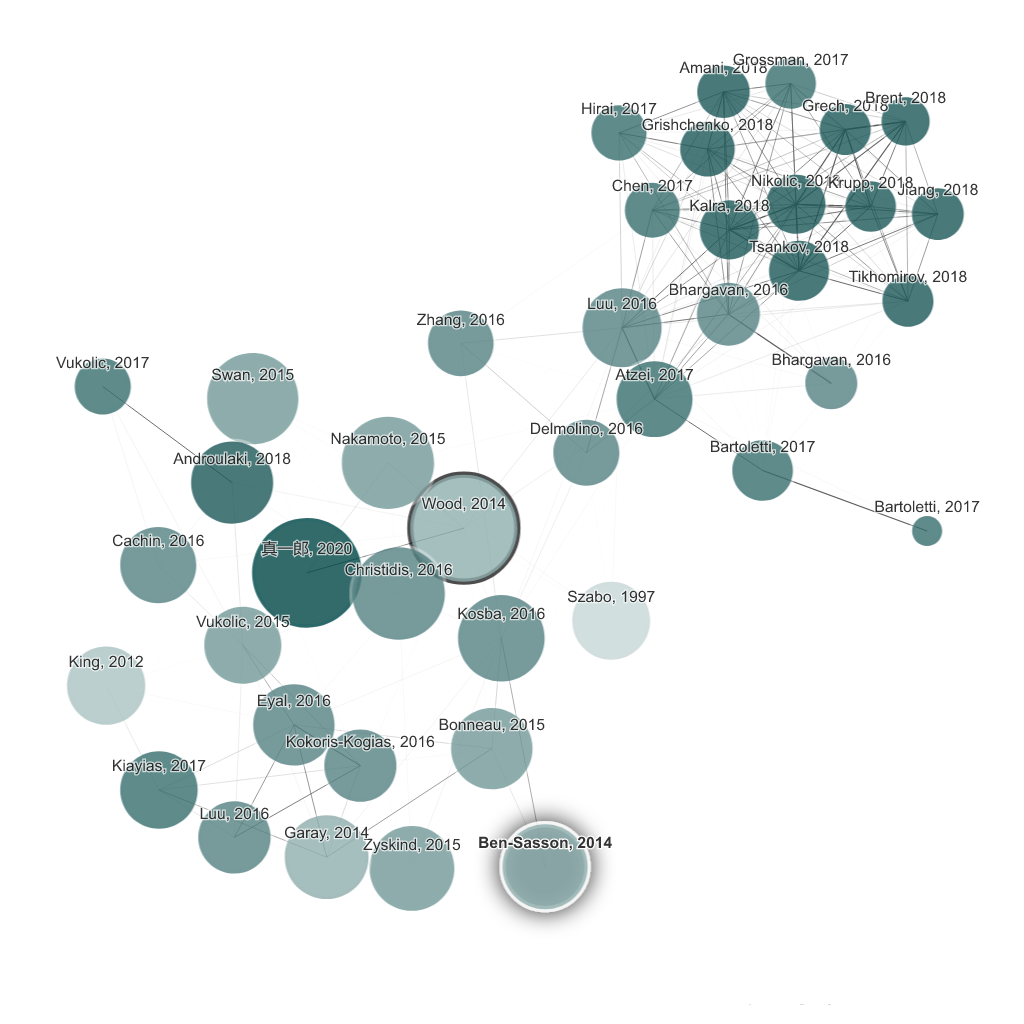
Connected Papers | Find and explore academic papers
A unique, visual tool to help researchers and applied scientists find and explore papers relevant to their field of work.
The new way we’ll do science
Papers should become human-readable views over a graph of data, tools, results, and certificates.

Memorize details from AI research papers
The second brain of AI researchers for machine learning, computer vision and natural language processing paper reviews.
The Lab | Just Vision
The Lab provides emerging and veteran journalists with rigorous editorial guidance and mentorship, financial support for travel and reporting time, and opportunities for collaborative reporting, research and storytelling. Our journalism is produced and published in partnership with leading news organizations around the world.
papers-we-love/papers-we-love
Papers from the computer science community to read and discuss.
Standard Paper — Independent writing, beautifully read
Discover articles from across the atmosphere, gathered in one place for focused reading.

Standard Paper — Independent writing, beautifully read
Discover articles from across the atmosphere, gathered in one place for focused reading.
Viewpoint demo — Scott Kim's PhD project, Stanford University 1988
Claude and Paper - Peter Van Dijck's homepage
I've always done a lot of engineering work on paper, figuring out relationships, page layouts, models, UX etc.
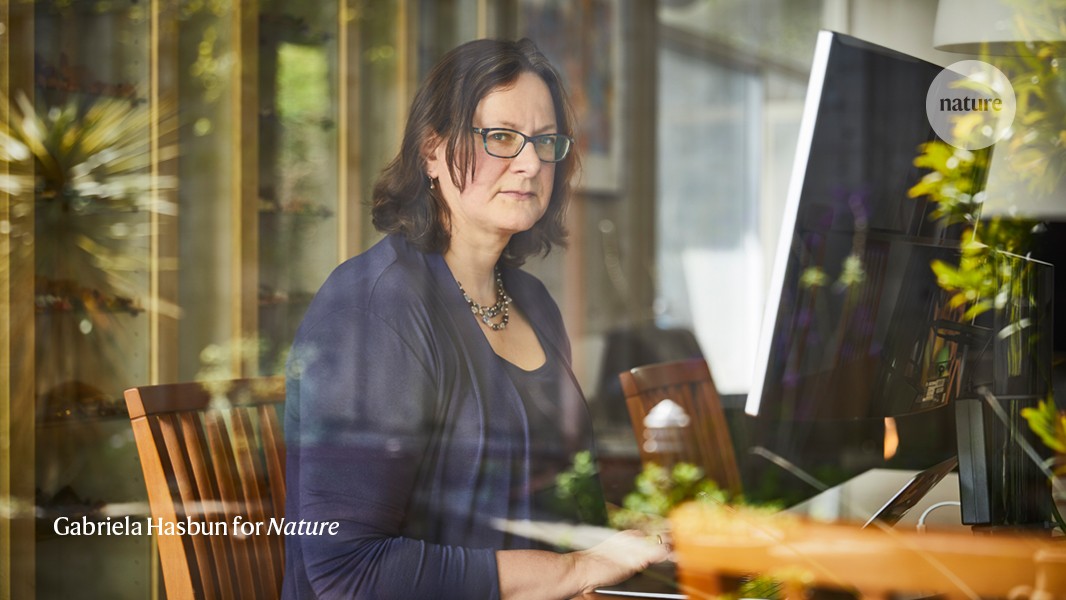
Meet this super-spotter of duplicated images in science papers
Elisabeth Bik quit her job to spot errors in research papers — and has become the public face of image sleuthing.
Paperstars
A better way to evaluate scientific papers. Methodological soundness and transparency, not citation counts.
On Software, or the Persistence of Visual Knowledge
Wendy Hui Kyong Chun; On Software, or the Persistence of Visual Knowledge. Grey Room 2005; (18): 26–51. doi: https://doi.org/10.1162/1526381043320741
What if paper reading and reviewing was interactive and visual? Tools today assume a very passive way of engaging with a paper: you open a PDF and read linearly, top to bottom. But most of us already break that assumption: results first, figures before text, abstract then conclusion. 🧵 #scisci
