Urolithin A may enhance muscle endurance and mitochondrial health by promoting mitophagy, according to a new study.
The Best Exercise for Aging Muscles (Published 2017)
Certain kinds of exercise may mitigate the effects of aging at the cellular level.

The Best Exercise for Aging Muscles (Published 2017)
Certain kinds of exercise may mitigate the effects of aging at the cellular level.
Calorie restriction in humans builds strong muscle and stimulates healthy aging genes
NIH study suggests a small reduction in daily calories is beneficial for wellness.

Mitochondrial Signaling and Stress Responses, Key Regulators of Aging and Longevity
ABSTRACT Mitochondria are vital not only for energy production but also for regulating signaling pathways that influence aging. While mitochondrial dysfunction contributes to age‐related decline, emerging evidence shows that mild, regulated mitochondrial stress can paradoxically promote longevity. This review highlights recent advances in mitochondrial biology and aging across species. We explore the dual role of reactive oxygen species (ROS) as both damaging agents and signaling molecules that activate adaptive stress responses. Key pathways such as the mitochondrial unfolded protein response (UPR MT ) and integrated stress response (ISR) are discussed, including their tissue‐specific as well as non‐cell‐autonomous effects on aging. Additionally, we examine the impact of mitochondrial protein import/export, dynamics (fission, fusion, mitophagy, biogenesis), and quality control in aging. Finally, we address challenges in understanding context‐dependent mitochondrial responses and mitonuclear communication. Together, these insights position mitochondria as central regulators of aging and highlight their potential as therapeutic targets to enhance health span and longevity.

Interactions between gut microbiota and skeletal muscle
The gut microbiota is now recognized as a major contributor to the host’s nutrition, metabolism, immunity, and neurological functions. Imbalanced microbiota (ie, dysbiosis) is linked to undernutrition-induced stunting, inflammatory and metabolic diseases, and cancers. Skeletal muscle also takes part in the interorgan crosstalk regulating substrate metabolism, immunity, and health. Here, we review the reciprocal influence of gut microbiota and skeletal muscle in relation to juvenile growth, performance, aging, and chronic diseases. Several routes involving the vascular system and organs such as the liver and adipose tissue connect the gut microbiota and skeletal muscle, with effects on fitness and health. Therapeutic perspectives arise from the health benefits observed with changes in gut microbiota and muscle activity, further encouraging multimodal therapeutic strategies.

Increase in muscle endurance in mice by dietary Yamabushitake mushroom ( <i>Hericium erinaceus</i> ) possibly via activation of <span style="font-variant:small-caps;">PPAR</span> δ
Abstract Skeletal muscle fiber is largely classified into two types: type 1 (slow‐twitch) and type 2 (fast‐twitch) fibers. Meat quality and composition of fiber types are thought to be closely related. Previous research showed that overexpression of constitutively active peroxisome proliferator‐activated receptor ( PPAR )δ, a nuclear receptor present in skeletal muscle, increased type 1 fibers in mice. In this study, we found that hexane extracts of Yamabushitake mushroom ( Hericium erinaceus ) showed PPAR δ agonistic activity in vitro . Eight‐week‐old C57 BL /6J mice were fed a diet supplemented with 5% (w/w) freeze‐dried Yamabushitake mushroom for 24 hr. After the treatment period, the extensor digitorum longus ( EDL ) muscles were excised. The Yamabushitake‐supplemented diet up‐regulated the PPAR δ target genes Pdk4 and Ucp3 in mouse skeletal muscles in vivo . Furthermore, feeding the Yamabushitake‐supplemented diet to mice for 8 weeks resulted in a significant increase in muscle endurance. These results indicate that Yamabushitake mushroom contains PPAR δ agonistic ligands and that dietary intake of Yamabushitake mushroom could activate PPAR δ in skeletal muscle of mice. Unexpectedly, we observed no significant alterations in composition of muscle fiber types between the mice fed control and Yamabushitake‐supplemented diets.

Uric Acid: A KEY Cause of Weight Gain, Diabetes, Heart Disease & Dementia | Dr. David Perlmutter
Benefits of Creatine Supplementation for Vegetarians Compared to Omnivorous Athletes: A Systematic Review
Background: Creatine monohydrate is a nutritional supplement often consumed by athletes in anaerobic sports. Creatine is naturally found in most meat products; therefore, vegetarians have reduced creatine stores and may benefit from supplementation. Objective: to determine the effects of creatine supplementation on vegetarians. Data sources: PubMed and SPORTDiscus. Eligibility criteria: Randomized controlled trials (parallel group, cross-over studies) or prospective studies. Participants: Vegetarians. Intervention: Creatine supplementation. Study appraisal and synthesis: A total of 64 records were identified, and eleven full-text articles (covering nine studies) were included in this systematic review. Results: Creatine supplementation in vegetarians increased total creatine, creatine, and phosphocreatine concentrations in vastus lateralis and gastrocnemius muscle, plasma, and red blood cells, often to levels greater than omnivores. Creatine supplementation had no effect on brain levels of phosphocreatine. Creatine supplementation increased lean tissue mass, type II fiber area, insulin-like growth factor-1, muscular strength, muscular endurance, Wingate mean power output, and brain function (memory and intelligence) in vegetarian participants. Studies were mixed on whether creatine supplementation improved exercise performance in vegetarians to a greater extent compared to omnivores. Limitations: Studies that were reviewed had moderate–high risk of bias. Conclusions: Overall, it appears vegetarian athletes are likely to benefit from creatine supplementation.

How Exercise Can Keep Aging Muscles and Immune Systems ‘Young’ (Published 2018)
Older cyclists are not like most of the rest of us. They are healthier. They are, biologically, younger.

A longevity expert says these are the three exercises we should all be doing regularly
Use these three multi-muscle exercises to build full-body strength and boost longevity
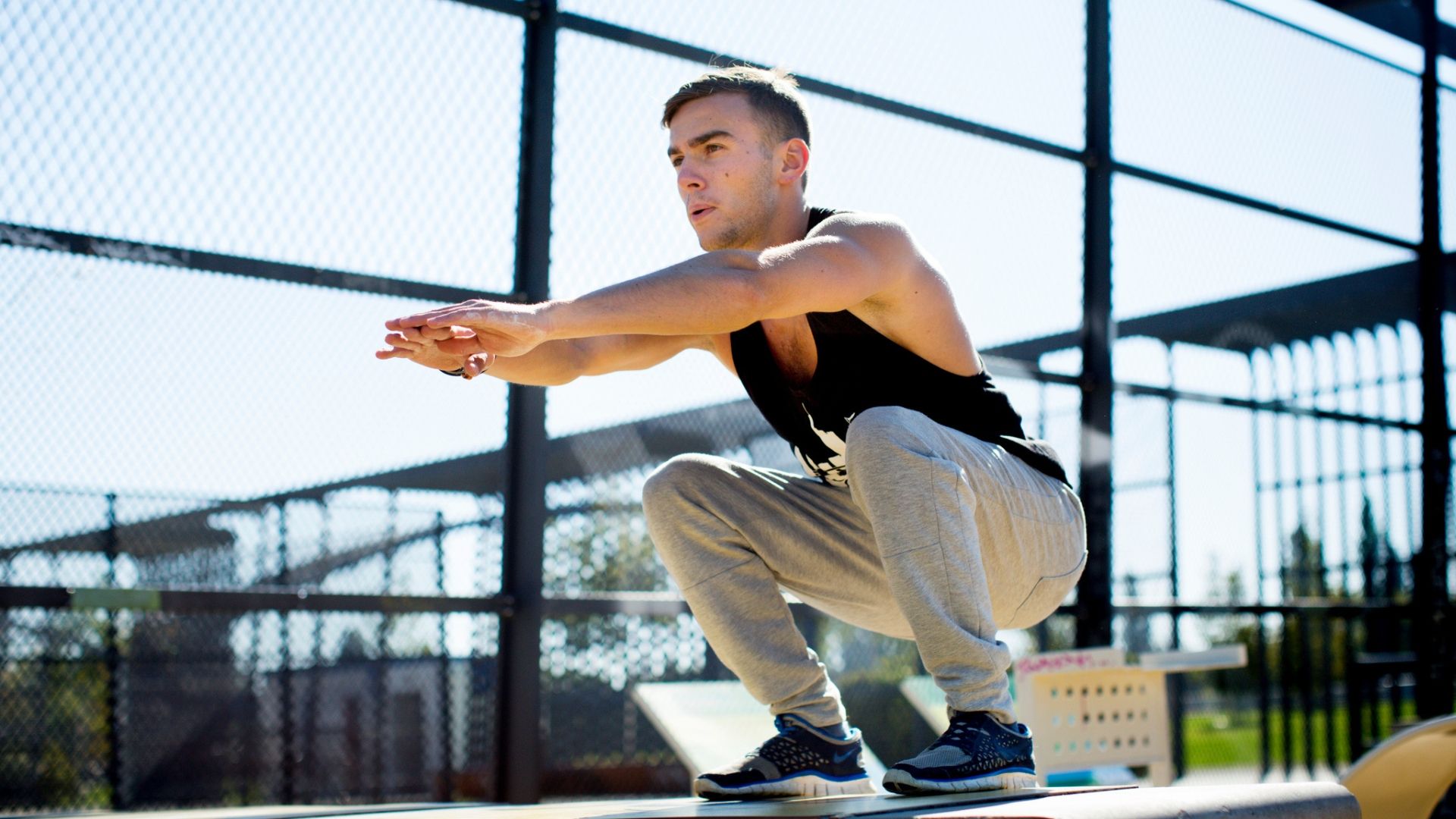
Preventing Muscle Loss as We Age (Published 2018)
Sarcopenia, a decline in skeletal muscle in older people, contributes to loss of independence.

Soy consumption and serum uric acid levels: A systematic review and meta-analysis
BackgroundSoy consumption has health benefits, but the relationship between soy and uric acid remains uncertain. This meta-analysis and systematic review evaluated effects of soy intake on plasma uric acid.MethodsPubMed, Embase, CNKI, and the Cochrane Library were searched for studies evaluating the effects of soy, soy products, soy protein, and soy isoflavones on uric acid levels. The primary outcome was serum or plasma uric acid concentration. Study quality was evaluated by the Cochrane Collaboration and SYRCLE risk-of-bias tools.ResultsSeventeen studies were included. Qualitative analysis of three human clinical studies of acute effects revealed that soy consumption increased serum uric acid concentration; however, soy-derived products, including tofu, bean curd cake, and dried bean curd sticks, had no significant effect on serum uric acid. Meta-analysis of five long-term human studies (10 data sets) revealed that soy protein and soy isoflavones had no significant effects on uric acid levels (weighted mean difference [WMD] = −2.11; 95% confidence interval [CI]: −8.78, 4.55; p = 0.53). However, most epidemiological data revealed that soy intake is inversely associated with uric acid levels. Meta-analysis of nine animal trials (29 data sets) revealed that soy protein and soy isoflavones significantly reduced serum uric acid concentrations (vs. controls; MD = −38.02; 95% CI: −50.60, −25.44; p < 0.001). ConclusionSoy and its products have different effects on serum uric acid. Soy products like tofu, bean curd cake, and dried bean curd sticks could be high-quality protein sources for individuals with hyperuricemia or gout. It can be beneficial to nutritionists and health-care decision makers reconsider their conceptions about the relationship between soy and uric acid levels according to latest and further scientific study results.

Strength training for the lungs: why heavy breathing could be a shortcut to improving your health
Do you need to strengthen the muscles you breathe with?

A Single Exercise Session May Slow Cancer Cell Growth, Study Finds - Slashdot
The Washington Post notes that past research "indicates that exercise helps some cancer survivors avoid recurrence of their disease." But a new study "offers an explanation of how, showing that exercise changes the inner workings of our muscles and cells, although more study is still needed..." T...
The Strength Training Habits That Slow Aging, According to Science
Exercise is so beneficial to your health, and we're here to share the strength training habits that slow aging, according to science.

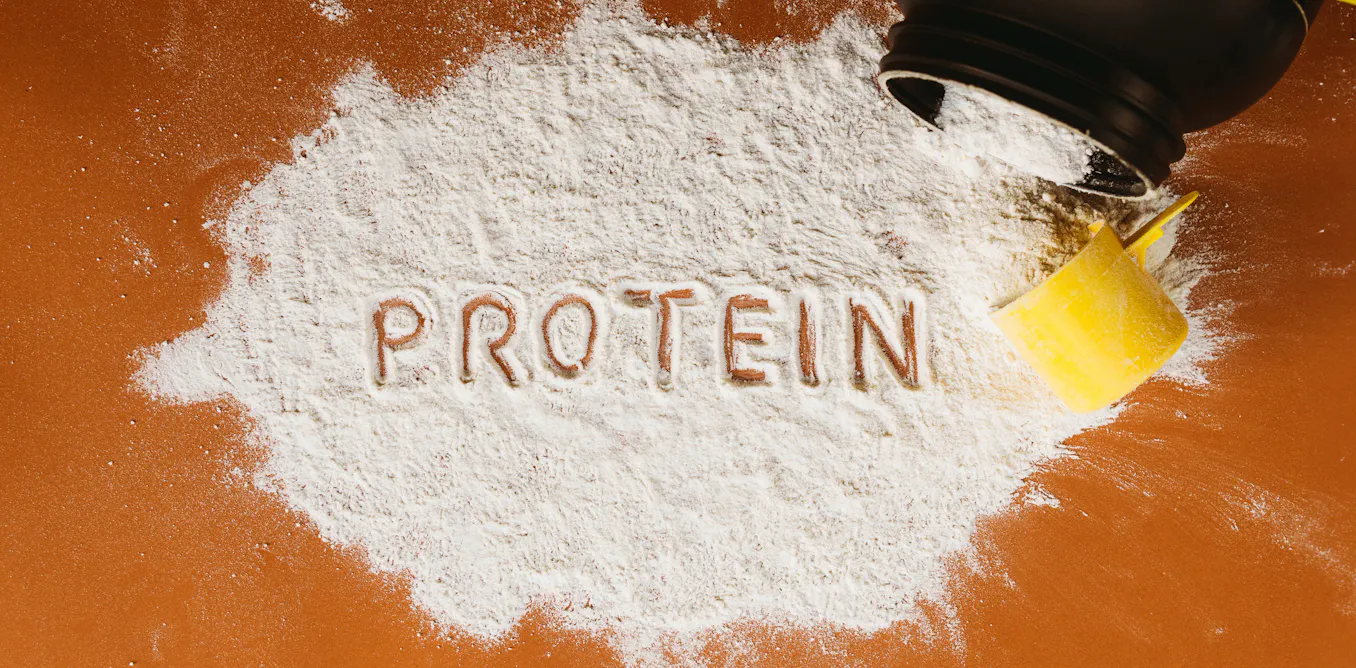
More protein in your breakfast or snacks won’t give you more muscle without more work – a biologist separates the science from the marketing
Protein powders and protein-fortified versions of all manner of foods line grocery store shelves. But just because something has added protein doesn’t necessarily make it better.