

At first, U.S. society treated the Covid-19 pandemic as an emergency requiring collective solutions. Now we pretend it’s over and treat staying healthy as an individual matter. I live in San Francisco and hang out in progressive spaces that were some of the last holdouts in urging and giving out masks. Now, even though the new Covid surge is making more of my friends sick than ever, masks are a rare sight. Anywhere outside SF, they’re unheard of. Collective health is out; rugged individualism is in. If you’re immunocompromised: sorry, but everyone’s tired of being inconvenienced just for the small matter of your survival. We’re living in the “You do you” era.
If we don’t change course, most people in the U.S. will have some flavor of Long COVID of one sort or another — Belshaw Brain Archive
For the past few years, I've been on the list of 'vulnerable' people who get a free booster Covid vaccine due to my asthma. That's no longer the case, but Covid is still around, and mutating
The CDC’s New Mask Guidelines Make No Sense | The Daily Show
What do we know about how to support mental health and wellbeing during the COVID-19 pandemic from past infectious disease epidemics? - DEP
Why Is Everyone Getting Sick? Behind the Global Rise in RSV, Flu, Measles
It's not your imagination: At least 13 communicable diseases are surging past pre-pandemic levels

Masks and respirators for prevention of respiratory infections: a state of the science review
SUMMARY This narrative review and meta-analysis summarizes a broad evidence base on the benefits—and also the practicalities, disbenefits, harms and personal, sociocultural and environmental impacts—of masks and masking. Our synthesis of evidence from over 100 published reviews and selected primary studies, including re-analyzing contested meta-analyses of key clinical trials, produced seven key findings. First, there is strong and consistent evidence for airborne transmission of severe acute respiratory syndrome coronavirus 2 (SARS-CoV-2) and other respiratory pathogens. Second, masks are, if correctly and consistently worn, effective in reducing transmission of respiratory diseases and show a dose-response effect. Third, respirators are significantly more effective than medical or cloth masks. Fourth, mask mandates are, overall, effective in reducing community transmission of respiratory pathogens. Fifth, masks are important sociocultural symbols; non-adherence to masking is sometimes linked to political and ideological beliefs and to widely circulated mis- or disinformation. Sixth, while there is much evidence that masks are not generally harmful to the general population, masking may be relatively contraindicated in individuals with certain medical conditions, who may require exemption. Furthermore, certain groups (notably D/deaf people) are disadvantaged when others are masked. Finally, there are risks to the environment from single-use masks and respirators. We propose an agenda for future research, including improved characterization of the situations in which masking should be recommended or mandated; attention to comfort and acceptability; generalized and disability-focused communication support in settings where masks are worn; and development and testing of novel materials and designs for improved filtration, breathability, and environmental impact.
‘We Were Helpless’: Despair at the C.D.C. as the Pandemic Erupted (Published 2023)
Current and former employees recall rising desperation as Trump administration officials squelched research into the new coronavirus.

From Long COVID Odds to Lost IQ Points: Ongoing Threats You Don’t Know About
Stuck in a fog of misleading narratives, most of us don’t see the true extent of COVID's persisting—and intensifying—threats. INET’s Lynn Parramore talks to Dr. Phillip Alvelda about the dangers we’re missing and the failures of public health agencies to inform and protect us. *This is Part 1 of a two-part interview.

Mask up! The best face masks for use against COVID-19 [Updated]
Finding masks that meet CDC and WHO guidelines is tough. We did the work for you.

CDC to restructure after COVID failure, “confusing and overwhelming” guidance
Cultural, structural changes to shift focus from scientific publishing to public health action.

Long COVID finally gets a universal definition
If broadly adopted, this inclusive description of long COVID will help legitimize the ongoing struggles millions of people are facing post-infection.

Opinion | Educate Your Immune System (Published 2016)
Our bodies are confused by this 21st-century world.

Vaccination Dramatically Lowers Long COVID Risk
Several new studies reveal that getting multiple COVID vaccine doses provides strong protection against lingering symptoms
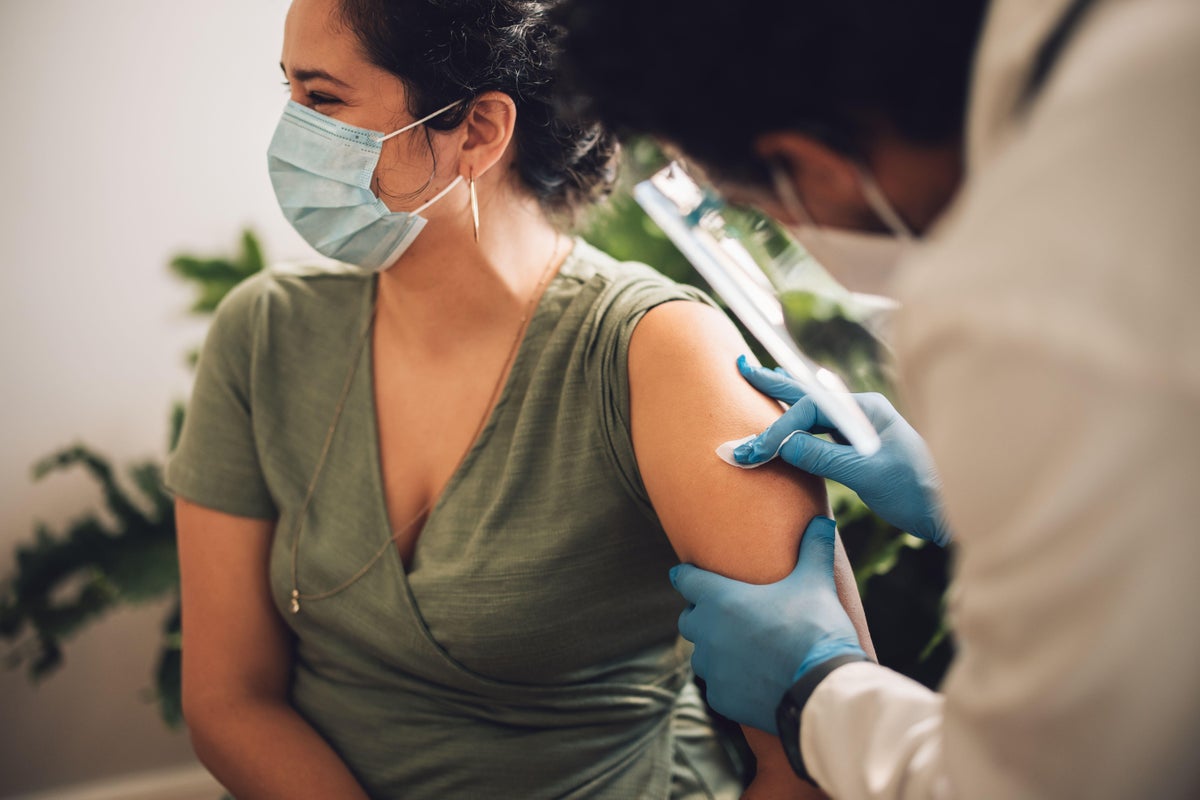
COVID's aftermath: Persistent organ damage at 1 year, lung abnormalities at 2
CIDRAP - Center for Infectious Disease Research & PolicyResearch and Innovation Office, University of Minnesota, Minneapolis, MN

🌡️🔥Climate change isn't a distant threat—it's a public health crisis now. Our study shows heat-related deaths in many cities could surpass annual COVID-19 deaths in just 5–10 years at 3°C warming. Urgent action is needed! 👉 rdcu.be/d5rnL @natureportfolio.bsky.social #scientificreports

Rapid climate action is needed: comparing heat vs. COVID-19-related mortality
rdcu.be