

My method for reading more
BookHive — Reading is better together
Track your books, connect with friends, and discover your next favourite read on an open, social platform.
BookHive — Reading is better together
Track your books, connect with friends, and discover your next favourite read on an open, social platform.
BookHive — Reading is better together
Track your books, connect with friends, and discover your next favourite read on an open, social platform.
How to gain more from reading by taking it all in more slowly | Psyche Guides
There’s more to words than meets the eye. Deepen your appreciation of literature through the art of slow, attentive reading
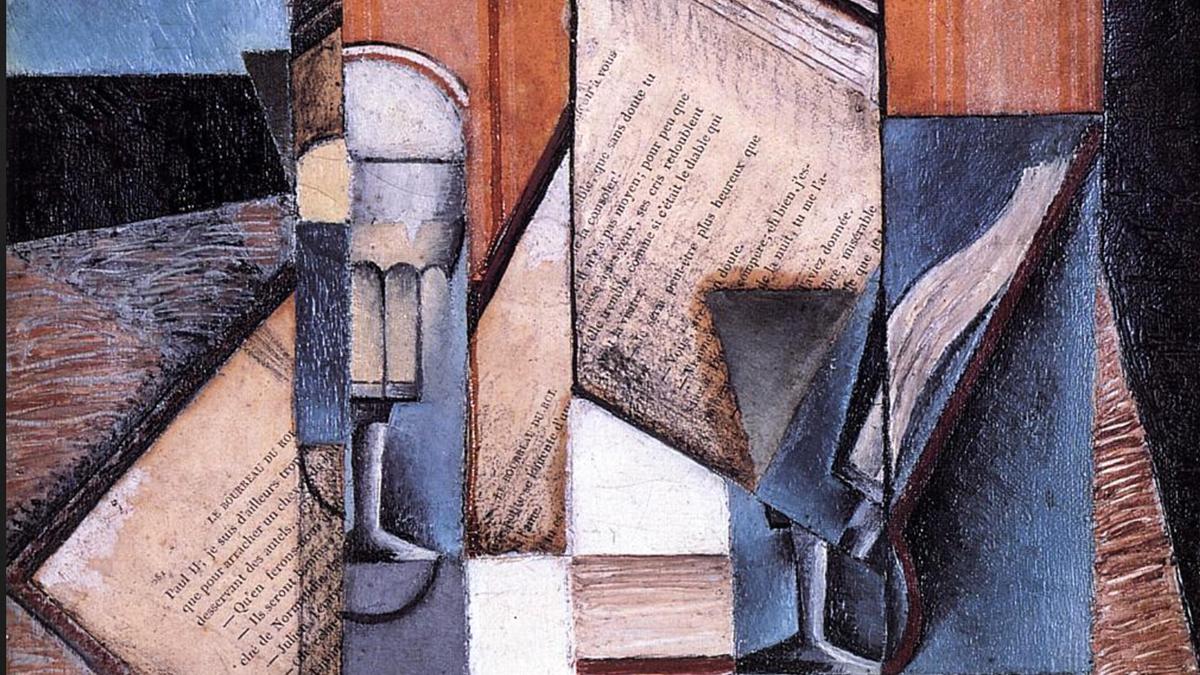
How to Read Fewer Books - The School of Life
We publish articles around emotional education: calm, fulfilment, perspective and self-awareness. | How to Read Fewer Books — Read now

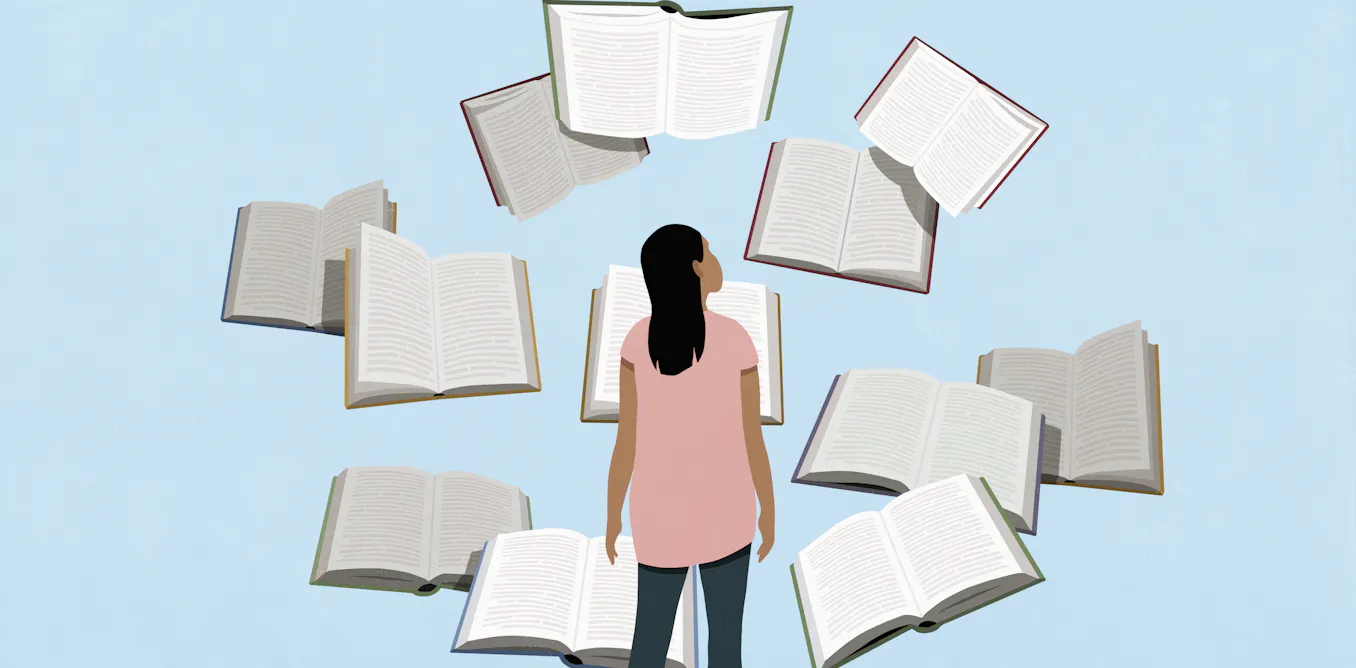
College professors face an emerging challenge: We know students are no longer reading entire books
Some teachers increasingly are shifting their approach to reading, assigning fewer books than they once did.
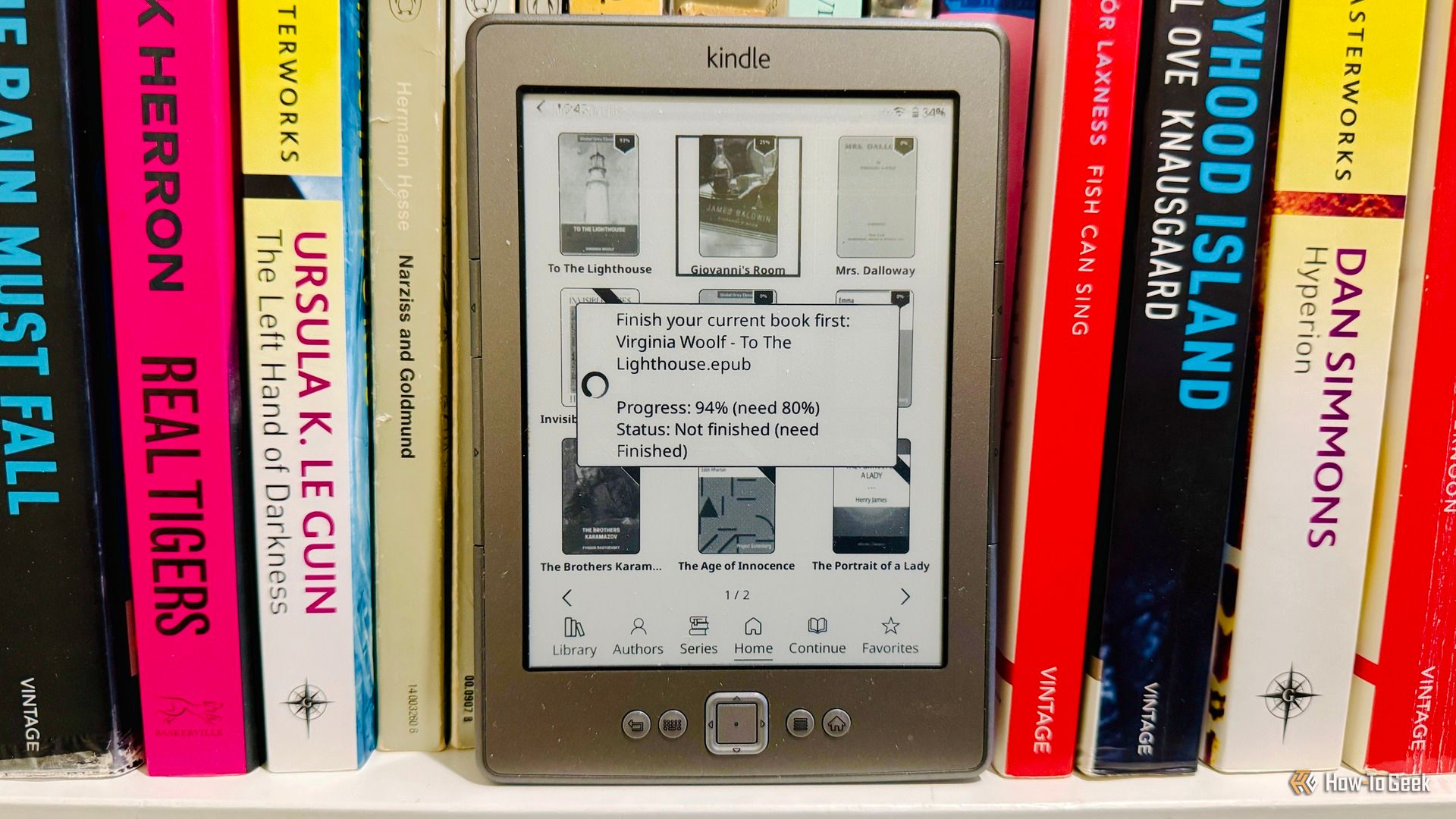
I stopped my Kindle from opening other books until I’ve finished the current one
You can read me like a (currently) open book.
Creative Reading: Scaffolding Reading for Transformation
However, recent work on augmenting reading largely focuses on making reading more efficient, especially in knowledge-intensive contexts where people must rapidly make sense of research papers and other complex documents (Lo et al., 2024). These systems often aim to help readers skim, summarize, and synthesize large volumes of information in order to reduce cognitive effort and accelerate document- and corpus-level sensemaking at scale (Gu et al., 2025; Lo et al., 2024; Fok et al., 2023). At one extreme, the form of reading implicitly envisioned by these systems may resemble what we call “reading to discard”: extracting the essential, actionable informational core of a document as quickly and efficiently as possible, so that the rest can be swiftly tossed aside—much like we often process inbound mail. This motivates us to ask what scaffolding approaches might resist “reading to discard,” what alternative forms of reading we might scaffold, and what alternative views and values of reading might guide the conversation.
Reader guide · Standard Reader
How to use Standard Reader — following, reading, listening, and making it yours. No technical knowledge needed.
Creative Reading: Scaffolding Reading for Transformation
Reading augmentation systems increasingly help readers process text at scale. While these tools address real constraints of time and cognitive load, they often implicitly frame reading as...

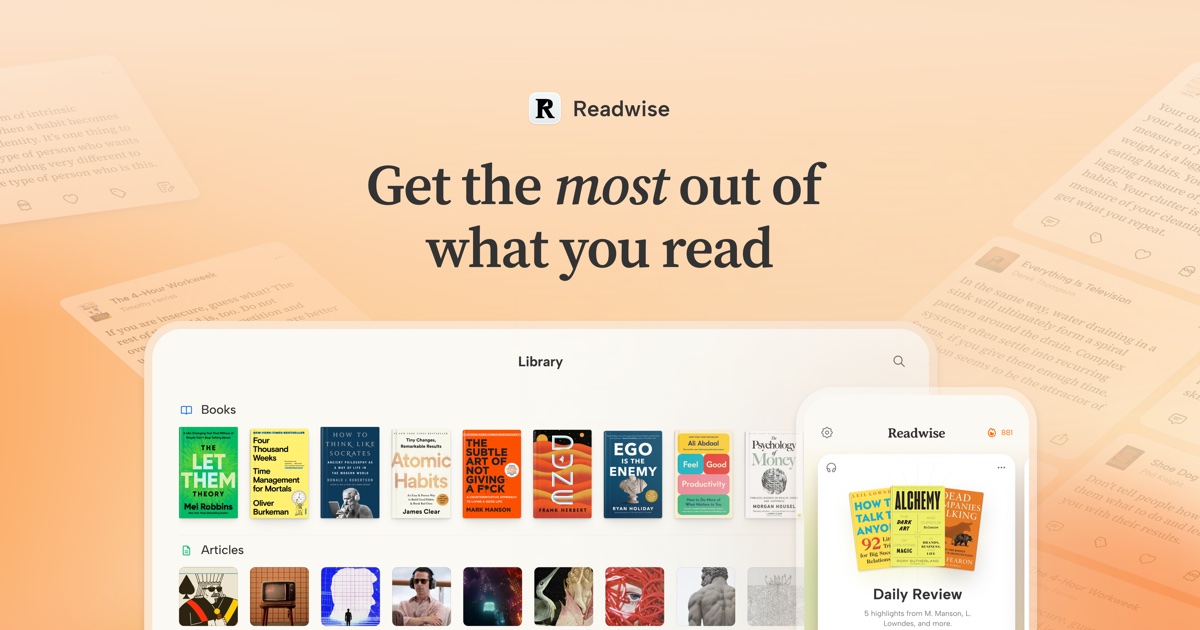
Readwise: Get the most out of what you read
Easily revisit and learn from your highlights and annotations.
Getting my books onto BookHive | Danny Smith
How I moved my reading history off Goodreads and onto my own AT Protocol data with BookHive, and had Claude Code clean up 389 books along the way.

Letting things build
This week I put together a reading list for my digital aura series. I recall starting to write around Thanksgiving — but when I looked back at my reading, I’d started reading for it months earlier. (No wonder it’s felt like such a big endeavor!)
Readeck: Home
Save interesting articles, long read, pictures, videos. Read or revisit them later.

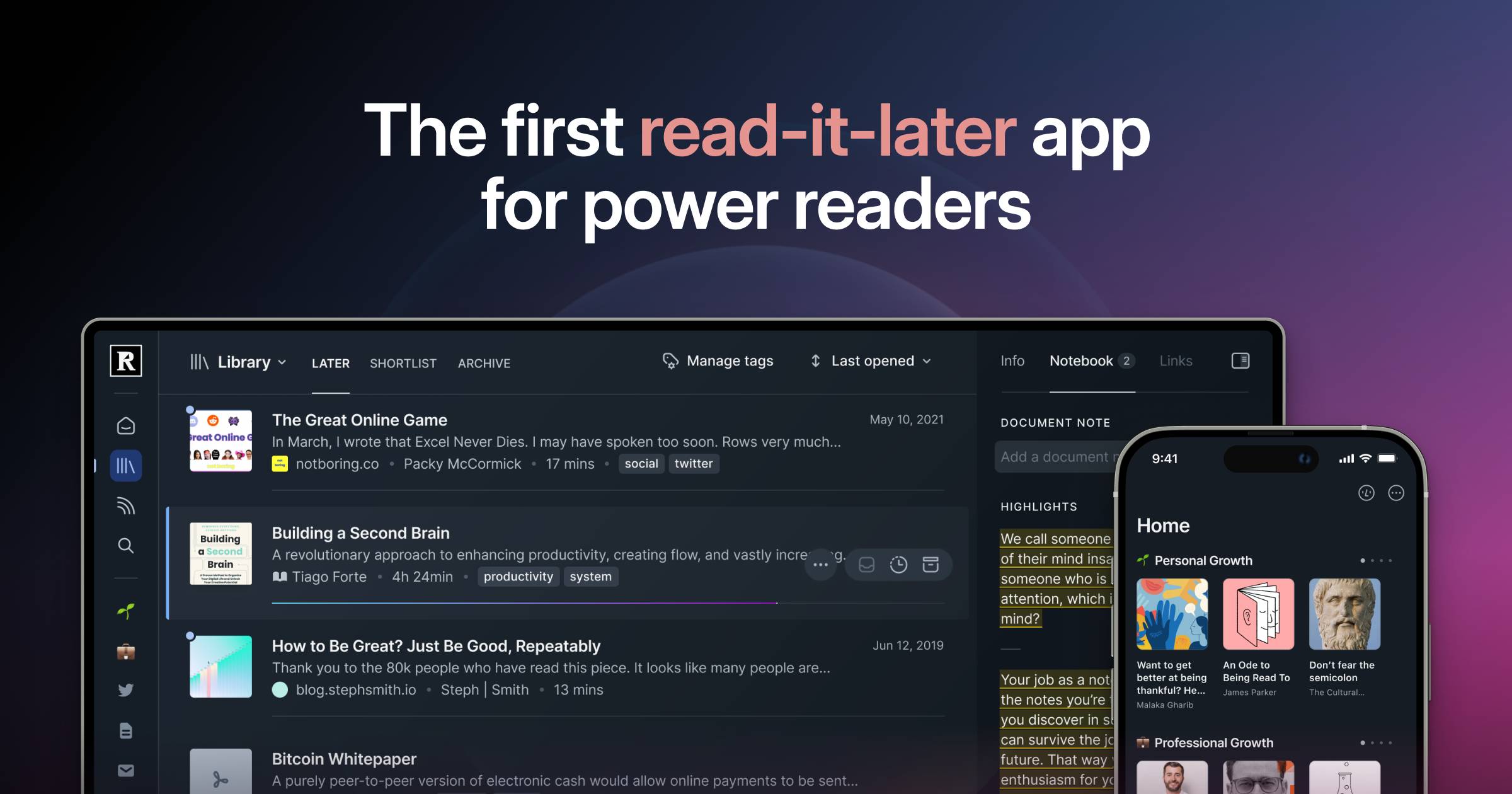
Readwise Reader: The first read-it-later app built for power readers.
Save everything to one place to overcome content overload, search instantly, and highlight like a pro.
How to create reading experiences that "go beyond information transmission and toward reader transformation.” Great paper by @blue-phia.bsky.social @lepidopterane.bsky.social @yijunliu.bsky.social Sarah Sterman @sh1m.bsky.social @maxkreminski.bsky.social arxiv.org/abs/2606.04308 >
